

- Updated: January 24, 2026
- 6 min read
Asus Likely Exits Smartphone Market with Final Zenfone 12 Ultra and ROG Phone 9 FE
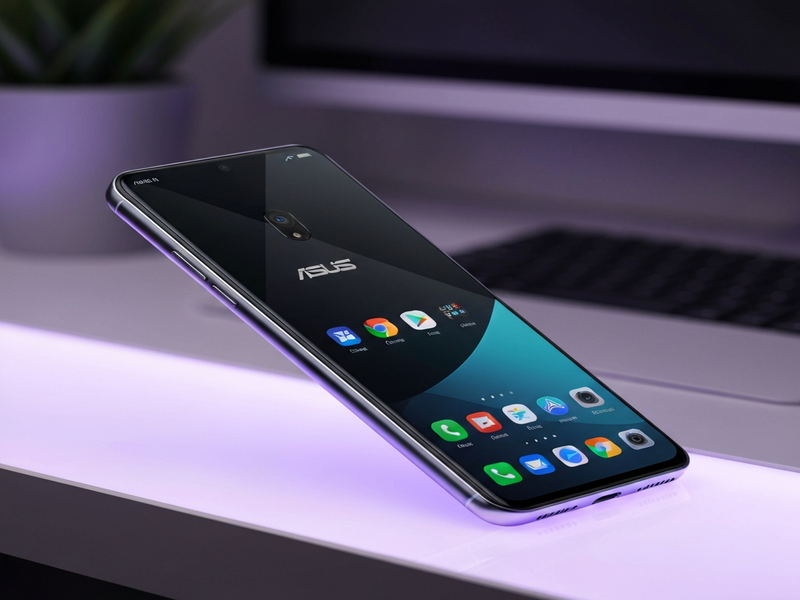
Asus is likely exiting the smartphone market, with the Zenfone 12 Ultra positioned as its final Android device.
Key Takeaways from The Verge Report
The tech news outlet The Verge published a concise briefing on Jan 19, 2026, confirming that Asus’ chairman Jonney Shih announced an “indefinite observation” of the mobile market and a halt to new phone releases. The statement, translated via Google Translate, reads:
“Asus will no longer add new mobile phone models in the future… we will continue to take care of the brand’s mobile phone users.”
While the company did not rule out a future comeback, the current trajectory suggests the Zenfone 12 Ultra and the ROG Phone 9 FE are the last devices to bear the Asus badge.
Why the announcement matters
- It marks the end of a decade‑long effort to compete with Samsung, Apple, and emerging Chinese brands.
- Asus’ ROG (Republic of Gamers) line has been a niche leader in gaming smartphones, setting performance benchmarks.
- The decision reflects broader mobile industry trends such as market consolidation and the shift toward ecosystem‑centric devices.
Implications for the Smartphone Market in 2024
The smartphone landscape in 2024 is already crowded, with flagship wars driven by camera innovation, foldable form factors, and AI‑enhanced user experiences. Asus’ exit reshapes the competitive map in several ways.
1. Competitive pressure on mid‑range and gaming segments
Asus historically offered high‑performance devices at relatively aggressive price points. Its departure opens a gap that rivals like Xiaomi, OnePlus, and Realme can exploit, especially in the gaming niche where the ROG brand has cultivated a loyal community.
2. Supply‑chain ripple effects
Manufacturers and component suppliers that serviced Asus’ production lines—such as Qualcomm for Snapdragon chips and Samsung for OLED panels—may see a modest reallocation of capacity, potentially easing shortages that have plagued the industry since 2022.
3. Consumer confidence and brand loyalty
Existing Asus phone owners will look for continued software updates and warranty support. The company’s promise to “continue to take care of the brand’s mobile phone users” will be tested, influencing how other brands manage legacy device support.
Asus’s Recent Moves and Product Lineup
To understand the exit, it helps to review Asus’ recent product strategy.
Zenfone Series – From Innovation to Stagnation
The Zenfone line, once praised for its compact design and balanced specs, has struggled to differentiate itself. The Zenfone 12 Ultra, released in late 2025, featured a 6.8‑inch AMOLED display, Snapdragon 8 Gen 2, and a 200 MP main sensor—specs that match or exceed many flagships. However, the lack of a US launch and limited carrier partnerships signaled waning market confidence.
ROG Phone Line – The Last Stand
Asus’ gaming flagship, the ROG Phone 9 FE, continued the tradition of high refresh‑rate screens, advanced cooling, and accessory ecosystems (e.g., external controllers). Yet, sales plateaued, and the niche market size could not sustain the R&D costs required for annual refresh cycles.
Strategic Shifts Beyond Hardware
In recent years, Asus has invested in software services, such as the ChatGPT and Telegram integration for its community forums, and explored AI‑driven analytics via the Chroma DB integration. These moves suggest a pivot toward AI‑centric solutions rather than pure hardware.
What This Means for Consumers and Developers
For end‑users, the immediate concerns revolve around software updates, accessory compatibility, and resale value. Developers who built apps or services around Asus devices—especially the ROG ecosystem—must reassess their target audience.
Continued Support Guarantees
Asus has pledged to maintain security patches for at least three years on existing models. Users should verify their device’s eligibility on the official About UBOS support page, which now hosts a dedicated FAQ for legacy Asus devices.
Opportunities for AI‑Powered Apps
With Asus stepping back, developers can explore cross‑platform AI solutions that run on any Android device. UBOS offers a suite of tools that simplify this transition:
- AI SEO Analyzer – Optimize your app’s discoverability across app stores.
- AI Article Copywriter – Generate in‑app help content automatically.
- AI Video Generator – Create tutorial videos without a production crew.
- AI Chatbot template – Deploy conversational support on any device.
How UBOS Is Shaping the Future of AI‑Driven Mobile Solutions
While Asus retreats from hardware, the broader AI ecosystem continues to expand. UBOS positions itself at the intersection of AI and mobile, offering a low‑code environment that empowers startups, SMBs, and enterprises alike.
UBOS Platform Overview
The UBOS platform overview highlights a modular architecture that integrates popular AI services—such as OpenAI ChatGPT integration and ElevenLabs AI voice integration—directly into mobile and web applications.
Tailored Solutions for Different Segments
Whether you are a budding startup or a large enterprise, UBOS provides dedicated pathways:
- UBOS for startups – Accelerate MVP development with pre‑built AI agents.
- UBOS solutions for SMBs – Deploy AI‑enhanced workflows without a large IT team.
- Enterprise AI platform by UBOS – Scale AI across global operations with governance controls.
Rapid Development with Templates and No‑Code Tools
UBOS’s UBOS templates for quick start include ready‑made solutions like the AI SEO Analyzer and the AI Article Copywriter. These templates reduce time‑to‑market from months to days.
Automation and Integration
Complex business processes can be orchestrated using the Workflow automation studio, while the Web app editor on UBOS lets you fine‑tune UI/UX without writing a single line of code.
Pricing Transparency
For organizations evaluating cost, the UBOS pricing plans are tiered to match growth stages—from free developer sandboxes to enterprise‑grade subscriptions.
Showcasing Success
Explore real‑world implementations in the UBOS portfolio examples, which feature case studies ranging from AI‑driven e‑commerce to automated customer support bots.
Looking Ahead: The Future of Mobile AI Without Asus
Asus steps back, the vacuum will be filled by AI‑first platforms that can run on any Android hardware. Developers should consider the following strategic actions:
- Leverage cross‑platform AI services (e.g., Telegram integration on UBOS) to reach users on existing devices.
- Adopt modular AI components like the GPT‑Powered Telegram Bot for instant messaging support.
- Utilize voice synthesis via ElevenLabs AI voice integration to create hands‑free experiences.
- Invest in data indexing solutions such as Chroma DB integration for fast semantic search.
Conclusion
Asus’s likely exit from the smartphone arena marks the end of an era for a brand that once blended gaming performance with sleek design. The ripple effects will be felt across supply chains, consumer expectations, and the competitive dynamics of the smartphone market 2024. For developers and businesses, the shift underscores the importance of flexible, AI‑centric platforms that can adapt to any hardware landscape.
UBOS stands ready to empower the next generation of mobile experiences—whether you’re a startup building a niche app or an enterprise seeking to automate complex workflows. Explore our AI marketing agents, dive into the UBOS partner program, and start prototyping today.
© 2026 UBOS Technologies. All rights reserved.