

- Updated: April 5, 2026
- 2 min read
Lebanon Turns to Digital Wallets for Humanitarian Aid to One Million Displaced People
Lebanon Turns to Digital Wallets for Humanitarian Aid to One Million Displaced People
More than a million people have been displaced in Lebanon by the recent conflict, creating a massive humanitarian challenge. Traditional aid channels are strained by banking restrictions, cash shortages, and the need for rapid, transparent distribution. In response, NGOs and diaspora groups are increasingly using digital wallets to channel donations directly to those in need.
Why Digital Wallets Matter in Lebanon’s Crisis
Digital wallets bypass the need for a formal banking relationship, allowing refugees and vulnerable families to receive funds on their smartphones. Platforms such as Whish Money enable diaspora donors to send money instantly, reducing transaction costs and increasing trust through peer‑to‑peer verification.
Key Benefits Observed on the Ground
- Speed: Aid reaches recipients within minutes of a donation.
- Transparency: Transaction histories are auditable, helping donors see the impact of their contributions.
- Accessibility: Even households without bank accounts can access funds via mobile phones.
These advantages are reshaping how humanitarian actors operate in Lebanon, complementing traditional cash‑in‑hand distributions and expanding the reach of aid programs.
Stories from the Field
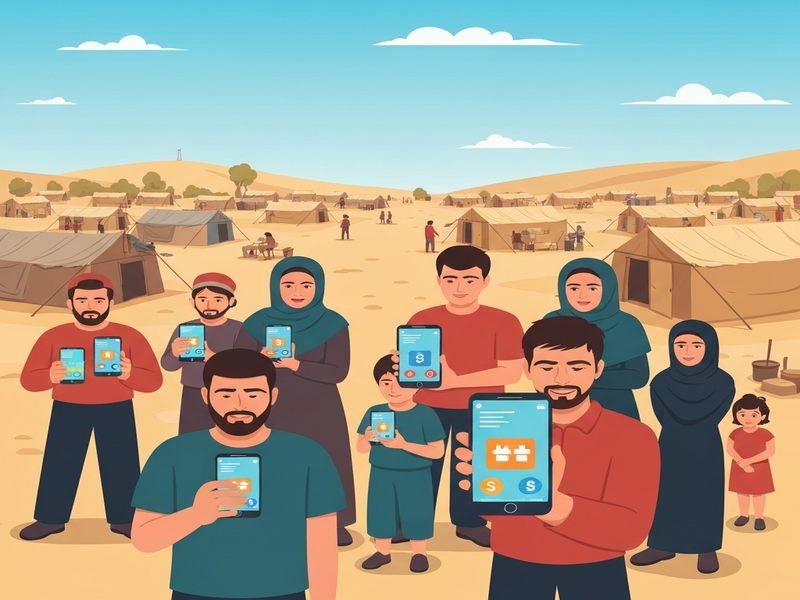
In refugee camps across the south, families are using smartphones to receive cash assistance, purchase food, and pay for essential services. The shift to digital wallets has also fostered new informal networks of trust, as community members verify each other’s identities and needs.
For a deeper look at the original reporting, see the Wired article.
Related UBOS Insights
Explore how fintech is transforming aid delivery in our broader coverage:
Author: UBOS Editorial Team
Andrii Bidochko
CTO UBOS
Andrii Bidochko is an AI entrepreneur and researcher focused on AI agents, reinforcement learning, and autonomous systems. He writes about the technologies shaping the future of machine intelligence, from frontier models and agent architectures to real-world AI applications.