

- Updated: March 26, 2026
- 6 min read
Lululemon Invests $12 Million in Epoch Biodesign’s Enzyme Technology for Sustainable Fashion
Lululemon’s $12 million investment in biotech startup Epoch Biodesign is set to transform plastic recycling through cutting‑edge enzyme technology, accelerating the shift toward sustainable fashion.
Why This Deal Matters for the Fashion Industry
In a bold move that signals the growing convergence of apparel and biotechnology, Lululemon has joined a $12 million funding round for Epoch Biodesign, a biotech startup pioneering enzyme‑driven plastic upcycling. The partnership promises to turn discarded textiles into high‑quality polymer feedstock, dramatically reducing reliance on virgin petroleum‑based plastics. For marketing managers at sustainable‑fashion brands, this development offers a tangible pathway to close the loop on material use and communicate genuine circular‑economy credentials to eco‑conscious consumers.
The full story was first reported by TechCrunch, which highlighted the strategic fit between Lululemon’s high‑performance apparel line and Epoch’s enzyme platform.
Overview of the Lululemon Investment
Lululemon’s commitment of $12 million positions the brand as a leading corporate backer of circular‑fashion technology. The funding will be allocated to:
- Scaling a demonstration‑scale facility near Imperial College London.
- Accelerating the development of a commercial plant slated for 2028, capable of producing 20,000 metric tons of polymer monomers per year.
- Expanding research on additional polymer families beyond nylon 6,6.
Lululemon’s strategic rationale is twofold: securing a reliable, low‑carbon feedstock for its ever‑growing line of performance wear, and showcasing a tangible sustainability story that resonates with its core demographic of active, environmentally aware consumers.
For brands looking to emulate this approach, the UBOS platform overview offers a modular AI‑driven infrastructure that can integrate supply‑chain data, forecast demand, and automate reporting on carbon metrics—all essential for communicating the impact of new recycling technologies.
How Epoch Biodesign’s Enzyme Technology Works
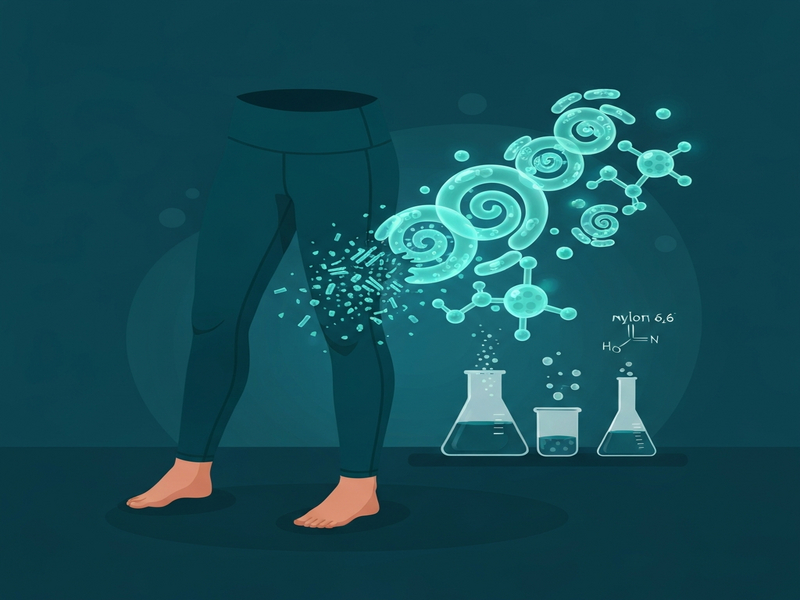
At the heart of Epoch’s solution is a cascade of highly specialized enzymes that break down polymer chains into their constituent monomers. Unlike traditional chemical depolymerisation, which requires high temperatures and harsh solvents, the enzyme route operates under mild, aqueous conditions, dramatically lowering energy use and waste generation.
Key Steps in the Process
- Feedstock Sorting: Post‑consumer and pre‑consumer nylon 6,6 textiles are collected, cleaned, and shredded into uniform flakes.
- Enzyme Cocktail Application: A proprietary blend of hydrolases, oxidases, and lyases is introduced. Each enzyme targets a specific bond in the polymer chain, ensuring >90 % monomer recovery.
- Monomer Extraction: The resulting monomers are separated via crystallisation and purified to feed‑stock quality.
- Dye Capture: Residual dyes are captured in a separate stream, enabling either safe disposal or up‑cycling into colour‑rich products.
The technology’s modular nature means it can be re‑engineered for other polymers such as PET, polycarbonate, and even mixed‑plastic waste streams. Epoch’s current focus on nylon 6,6 is strategic: the material is ubiquitous in activewear, technical gear, and even automotive interiors, making it a high‑impact target for Lululemon’s product line.
For developers interested in building AI‑enhanced monitoring around such bioprocesses, the OpenAI ChatGPT integration can provide real‑time anomaly detection, while the Chroma DB integration offers vector‑based storage of process parameters for rapid similarity search and optimisation.
Impact on Plastic Recycling and Sustainable Fashion
The convergence of Lululemon’s market reach and Epoch’s enzyme platform creates a ripple effect across the entire fashion ecosystem:
Environmental Benefits
- Reduces virgin nylon production by up to 80 %.
- Lowers greenhouse‑gas emissions by an estimated 2.5 t CO₂e per 1 ton of recycled nylon.
- Minimises landfill waste; >90 % of input material is recovered as usable monomers.
Business Advantages
- Secures a stable, low‑cost raw material supply chain.
- Enables premium “closed‑loop” product labeling that drives higher price points.
- Provides measurable ESG data for investor reporting.
From a marketing perspective, the ability to trace a garment’s material back to a specific enzymatic recycling process offers a compelling narrative. Brands can leverage this story in product tags, digital campaigns, and sustainability reports, turning technical innovation into a differentiator that resonates with the growing cohort of conscious shoppers.
Companies seeking to replicate this success can accelerate their own AI‑driven sustainability initiatives using the AI marketing agents on UBOS, which can automatically generate personalized content that highlights recycled‑material credentials and tracks engagement metrics across channels.
Quotes and Future Outlook
“When we detach material production from fossil‑based feedstocks, we create price stability and a true circular economy,” says Jacob Nathan, Founder & CEO of Epoch Biodesign.
“Our partnership with Epoch aligns with Lululemon’s commitment to innovate responsibly. By investing in enzyme technology, we’re turning waste into performance‑grade fabric for the next generation of athletes,” remarks a Lululemon spokesperson.
Looking ahead, Epoch plans to expand its enzyme library to target PET and polyolefin streams, aiming for a multi‑polymer recycling hub by 2030. Lululemon, meanwhile, has pledged to source 50 % of its fabric from recycled or bio‑based origins by 2027, a goal that will likely be underpinned by the scaling of Epoch’s facilities.
For brands that want to stay ahead of this curve, the UBOS for startups program offers mentorship, cloud credits, and access to a marketplace of AI‑powered templates—such as the AI SEO Analyzer and AI Article Copywriter—that can help craft data‑rich content around new recycling initiatives.
Actionable Insights for Sustainable‑Fashion Marketers
The Lululemon‑Epoch partnership offers a blueprint for turning scientific breakthroughs into market‑ready narratives. Below are three concrete steps you can take right now:
- Map Your Material Flow: Use the Workflow automation studio to visualize each stage—from raw fiber sourcing to end‑of‑life—identifying where enzyme‑based recycling could be introduced.
- Quantify ESG Impact: Deploy the Enterprise AI platform by UBOS to aggregate carbon‑footprint data, generate real‑time dashboards, and produce audit‑ready reports for investors.
- Amplify the Story: Leverage the AI Video Generator to create short, shareable clips that illustrate the enzyme process, then distribute via social channels using the AI LinkedIn Post Optimization tool for maximum reach.
By integrating these tactics, you not only align with emerging industry standards but also position your brand as a pioneer in the circular‑fashion movement.
Conclusion
Lululemon’s strategic infusion of capital into Epoch Biodesign underscores a decisive shift: the future of fashion will be built on biotech‑enabled recycling rather than virgin petrochemical extraction. For marketers, this creates a fertile ground for authentic storytelling, measurable sustainability claims, and differentiated product positioning.
To explore how AI can accelerate your own sustainability roadmap, visit the UBOS homepage for a full suite of tools, or dive into the UBOS portfolio examples to see real‑world implementations.
Ready to prototype a circular‑fashion workflow? Start with the UBOS templates for quick start, then scale with the UBOS pricing plans that fit both startups and established brands.
Further Reading & Tools
- ChatGPT and Telegram integration – automate stakeholder notifications about recycling milestones.
- ElevenLabs AI voice integration – add narrated explanations of enzyme processes to product pages.
- Telegram integration on UBOS – create community bots that answer consumer questions about recycled fabrics.
- UBOS partner program – collaborate with technology providers to co‑develop circular‑fashion solutions.
- AI Video Generator – produce dynamic visual content for sustainability campaigns.
- AI Image Generator – create custom graphics that illustrate the enzyme cascade.
Andrii Bidochko
CTO UBOS
Andrii Bidochko is an AI entrepreneur and researcher focused on AI agents, reinforcement learning, and autonomous systems. He writes about the technologies shaping the future of machine intelligence, from frontier models and agent architectures to real-world AI applications.