

- Updated: February 24, 2026
- 6 min read
ByteDance’s Seedance 2.0 AI Video Model Sparks Debate
Answer: ByteDance’s Seedance 2.0 is a cutting‑edge AI video generation model that can create photorealistic dance sequences, but its reliance on unlicensed source material has sparked intense intellectual‑property disputes and forced the tech giant to reconsider how it safeguards copyrighted likenesses.
Quick Overview
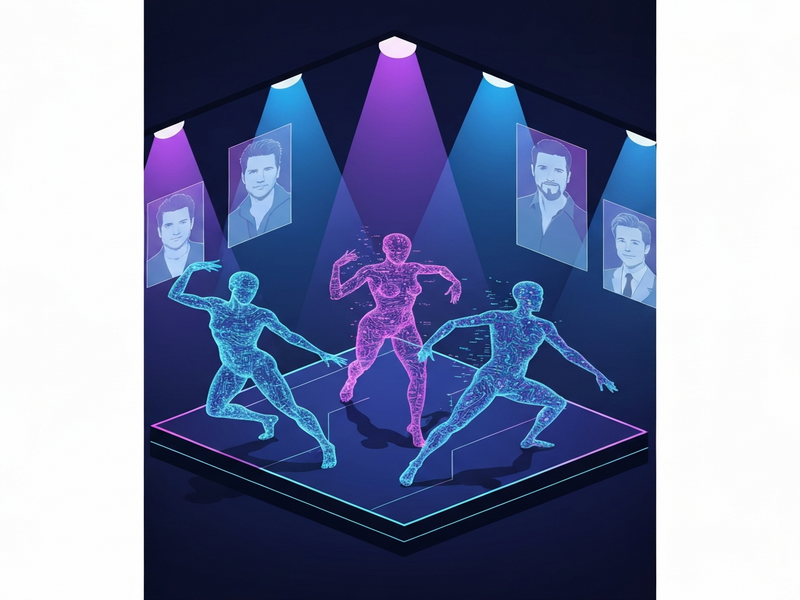
On February 24, 2026, The Verge reported that ByteDance’s newest AI video engine, Seedance 2.0, produced a series of viral TikTok clips featuring a digital double of Tom Cruise battling Brad Pitt, robots, and zombies—all while dancing with cinematic fluidity. The clips amassed millions of views within hours, proving that AI‑generated video can now rival high‑budget VFX in visual fidelity. Yet, the same technology also ignited a firestorm of cease‑and‑desist letters from the Motion Picture Association, Disney, Paramount, and Netflix, who allege that Seedance 2.0 infringes on copyrighted performances and celebrity likenesses.
What Is Seedance 2.0 and How Does It Work?
Seedance 2.0 builds on ByteDance’s earlier OpenAI ChatGPT integration by adding a multimodal diffusion model trained on billions of video frames sourced from public platforms, licensed libraries, and—controversially—unlicensed user uploads. The model accepts a short textual prompt (e.g., “Tom Cruise performs a break‑dance showdown in a neon‑lit warehouse”) and returns a 10‑second high‑resolution clip that includes:
- Full‑body motion capture synthesized from learned pose libraries.
- Real‑time lighting and camera‑movement simulation.
- Audio‑synchronized beats generated by an internal music‑synthesis engine.
- Facial expression mapping that mimics the target celebrity’s known mannerisms.
The result is a seamless blend of choreography and cinematography that feels “live‑action” despite being entirely synthetic. ByteDance markets Seedance 2.0 as a tool for creators, advertisers, and developers who need quick, high‑impact video content without hiring a production crew.
The Controversial AI‑Generated Dance Footage
The most talked‑about videos feature a hyper‑realistic clone of Tom Cruise executing a series of complex dance moves while dueling a CGI Brad Pitt. The choreography, shot from dynamic angles, showcases Seedance 2.0’s ability to:
- Generate fluid transitions between wide‑angle “establishing” shots and close‑ups.
- Synchronize motion with a custom‑produced soundtrack that matches the beat of each step.
- Render realistic shadows and motion blur that mimic professional camera rigs.
While the clips are technically impressive, they also demonstrate the model’s “copy‑and‑paste” nature: the AI reproduces recognizable facial features, signature gestures, and even trademarked costumes without any licensing agreement. This has led to accusations that Seedance 2.0 is essentially a “slop” generator—high‑quality output built on stolen intellectual property.
Intellectual‑Property and Copyright Concerns
The legal backlash centers on three core issues:
- Right of Publicity: Celebrities own the commercial use of their likeness. Generating a Tom Cruise clone for profit without consent violates this right.
- Copyrighted Choreography: Many of the dance moves are derived from copyrighted performances, meaning the AI may be reproducing protected works.
- Training‑Data Provenance: ByteDance has not disclosed how it sourced the billions of video frames that teach Seedance 2.0 to mimic human motion, raising questions about whether the data includes unlicensed content.
In response, ByteDance issued a public statement promising to “strengthen current safeguards” and to develop “IP‑safe” filters that block the generation of copyrighted likenesses. However, as of this writing, no technical details have been released, and the company has paused the public API rollout pending legal review.
Reactions from Industry Experts and Competitors
The AI‑video community is split. Some see Seedance 2.0 as a watershed moment that could democratize high‑budget visual effects. Others warn that the model’s reliance on unlicensed data could set a dangerous precedent.
“If we allow AI models to train on copyrighted material without consent, we undermine the entire creative economy,” says About UBOS founder Dr. Lina Cheng, a leading voice on AI ethics.
Competing platforms such as Runway, Sora, and Adobe’s upcoming “IP‑safe” video suite have publicly emphasized their commitment to licensed datasets. Adobe, for instance, announced a partnership with major studios to create a curated training library that respects copyright, positioning itself as a “responsible AI” alternative.
Meanwhile, venture capitalists are watching closely. The UBOS partner program recently added a new track for AI video startups, encouraging them to adopt transparent data‑sourcing practices from day one.
Implications for the Future of AI‑Generated Video
Seedance 2.0’s debut signals several trends that will shape the next five years of AI video:
| Trend | Potential Impact |
|---|---|
| IP‑Safe Model Development | Legal frameworks will force providers to filter copyrighted content, leading to a new generation of “clean” AI video engines. |
| Creator‑Centric Marketplaces | Platforms like UBOS templates for quick start will enable non‑technical users to generate brand‑compliant videos in minutes. |
| Hybrid Production Pipelines | Studios will combine AI‑generated assets with traditional VFX to cut costs while preserving creative control. |
| Regulatory Oversight | Governments may introduce mandatory provenance logs for AI‑generated media, similar to deep‑fake labeling laws. |
For businesses, the rise of AI video means new opportunities for personalized marketing, rapid prototyping, and multilingual content creation. The AI marketing agents already integrate video synthesis to produce region‑specific ads at scale.
What Should You Do Next?
If you’re a tech enthusiast, marketer, or developer eager to experiment with AI video while staying on the right side of the law, consider the following steps:
- Explore the UBOS platform overview to see how a compliant AI video pipeline can be built from scratch.
- Start with the AI Video Generator template, which uses licensed assets and offers built‑in copyright checks.
- Leverage the Workflow automation studio to orchestrate content creation, review, and publishing in a single dashboard.
- Check the UBOS pricing plans for a tier that matches your budget, whether you’re a startup or an enterprise.
- Read the AI SEO Analyzer to ensure your AI‑generated videos rank well on search engines.
By adopting tools that respect intellectual property, you can harness the creative power of AI without exposing yourself to costly lawsuits. The future of video is undeniably AI‑driven—your responsibility is to shape it responsibly.
Discover More AI Solutions on UBOS
Source: The Verge article on Seedance 2.0
Andrii Bidochko
CTO UBOS
Andrii Bidochko is an AI entrepreneur and researcher focused on AI agents, reinforcement learning, and autonomous systems. He writes about the technologies shaping the future of machine intelligence, from frontier models and agent architectures to real-world AI applications.