

- Updated: February 18, 2026
- 5 min read
Vermont Electric Buses Struggle This Winter Amid Battery Recall and Cold Weather
Vermont’s electric bus fleet has proven unreliable this winter because a battery recall and a mandatory 41°F charging threshold have forced Green Mountain Transit to keep the buses offline, disrupting commuters, schools, and the state’s green‑public‑transit goals.
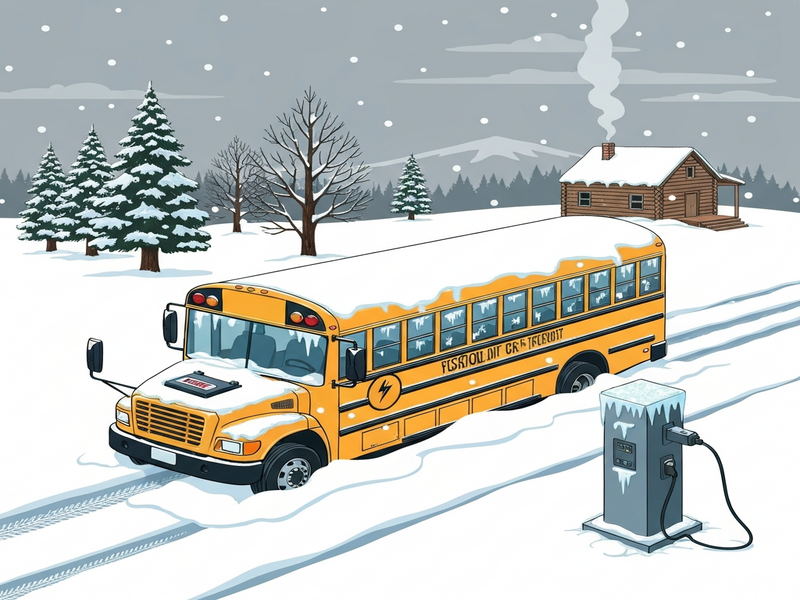
Why Vermont’s EV Buses Are Stalling This Winter
When the first snow fell on the Green Mountains, residents expected a quiet, clean ride on the state’s newest electric buses. Instead, a combination of a battery recall and sub‑freezing charging restrictions has turned those promises into a logistical nightmare. The situation highlights a broader challenge for green public transit initiatives in cold climates.
Summary of Vermont EV Bus Issues
- Five New Flyer SE40 electric buses were placed into service in spring 2025.
- In November 2025, the manufacturer issued a recall for fire‑hazard‑prone batteries.
- Software updates now limit charging to 75 % capacity and prohibit charging below 41 °F.
- Green Mountain Transit’s garage lacks fire‑mitigation equipment, preventing indoor charging in winter.
- The result: up to 12 hours of daily service lost, forcing riders onto diesel backups or alternative transport.
Battery Recall and Cold‑Weather Charging Limits
New Flyer’s recall stemmed from incidents where battery cells overheated during rapid charging cycles. The company’s mitigation plan includes:
- Restricting charge depth to 75 % to reduce thermal stress.
- Implementing a temperature‑gate that disables charging when ambient temperature falls below 41 °F.
- Promising replacement batteries within an 18‑ to 24‑month window.
While technically sound, the temperature gate collides with Vermont’s winter reality. Average daytime highs in Burlington hover around 30‑35 °F from December through February, meaning the buses sit idle for weeks at a time.
“We are beyond the point where this looks like incompetence and starts to smell like fraud,” warned Larry Behrens of Power the Future, echoing public frustration.
Impact on Commuters, Schools, and the State’s Climate Goals
Green Mountain Transit (GMT) serves over 30,000 daily riders, many of whom are students, seniors, and low‑income workers. The EV bus outage has produced tangible consequences:
- Longer wait times: Routes that once ran every 15 minutes now operate on a 30‑minute schedule.
- Increased diesel usage: GMT has re‑deployed its limited diesel fleet, raising emissions and fuel costs.
- School disruptions: Several rural schools rely on GMT’s bus service for field trips and extracurricular activities; cancellations have risen by 40 %.
- Economic strain: Riders are forced to use personal vehicles or rideshare services, adding $15‑$30 per trip on average.
For eco‑conscious commuters, the setback feels like a betrayal of the state’s Enterprise AI platform by UBOS promise to integrate smarter, greener solutions across public services.
Funding Landscape and Future Plans for Vermont’s EV Fleet
GMT’s electric buses are 90 % funded by a mix of Federal Transit Administration (FTA) grants and the Volkswagen settlement fund. The financial breakdown:
| Funding Source | Amount | Percentage of Total Cost |
|---|---|---|
| FTA Low‑Emission Vehicle Grant | $6.2 M | 62 % |
| Volkswagen Settlement | $3.8 M | 38 % |
Because the grant money is earmarked specifically for electric vehicles, canceling the purchase would force GMT to return the funds, jeopardizing future financing. GMT is therefore pursuing two parallel tracks:
- Technical remediation: Working with New Flyer to fast‑track a firmware fix that allows safe charging below 41 °F.
- Infrastructure upgrades: Applying for an additional federal grant to install fire‑suppression systems and heated charging bays.
In the meantime, the agency plans to acquire seven replacement buses with a new battery chemistry slated for delivery in 2027, as announced by GMT’s General Manager Clayton Clark.
Voices from the Frontline
“The federal grant process forced us to prioritize electric buses, even though the technology isn’t yet winter‑ready,” said Clayton Clark, General Manager of Green Mountain Transit.
“Taxpayers were sold an $8 million ‘solution’ that can’t operate in cold weather,” warned Larry Behrens of Power the Future.
“Investing in EV fleets without considering climate‑specific infrastructure is a costly oversight,” noted William Rampe, policy analyst at the Institute for Energy Research.
How AI and Automation Can Prevent Future Setbacks
While the Vermont case is a cautionary tale, it also showcases an opportunity for AI‑enhanced transit planning. Platforms like the Workflow automation studio can simulate seasonal performance, predict battery degradation, and recommend optimal charging schedules.
Transit agencies can also leverage the AI marketing agents to communicate real‑time service changes, reducing rider frustration. For example, a custom AI Chatbot template could field commuter queries 24/7, pulling data from the agency’s live fleet management system.
Tip for planners: Pair the Chroma DB integration with temperature sensors to trigger pre‑emptive alerts when ambient conditions approach the 41 °F threshold.
What You Can Do Now
If you’re an eco‑conscious commuter, a municipal planner, or a clean‑energy enthusiast, consider the following actions:
- Contact your local transit authority and request a transparent update on battery replacement timelines.
- Advocate for dedicated funding to upgrade charging infrastructure with heated bays and fire‑suppression systems.
- Explore AI‑driven tools—such as the UBOS templates for quick start—to model climate‑resilient transit scenarios.
- Support legislation that ties grant eligibility to proven performance metrics in cold climates.
By staying informed and pushing for smarter, data‑backed solutions, you can help ensure that Vermont’s green public transit dreams become a reliable reality.
For a full read of the original reporting, see the original news article.