

- Updated: February 18, 2026
- 5 min read
Google AI Search Revamps UI with Link Previews, AI Overviews and AI Mode Enhancements
Google AI Search UI Overhaul: Link Preview, AI Overviews & AI Mode Redesign
Published: February 18, 2026 • By UBOS Tech Desk
Google’s latest AI search UI update adds hover‑activated link previews and richer AI Overviews, making source citations in AI Mode far more visible and actionable.
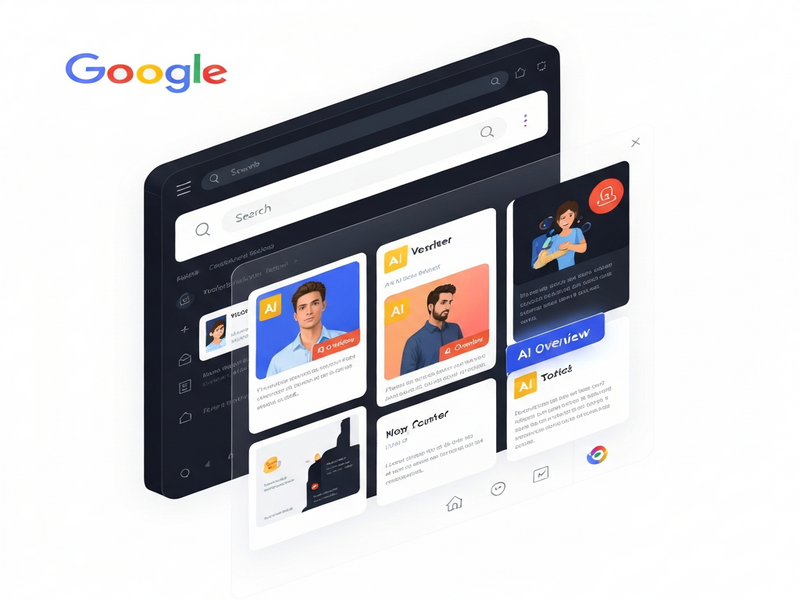
In a move aimed at restoring trust and improving discoverability, Google announced on Tuesday that its AI‑powered search results will now surface links in a pop‑up preview when users hover over cited sources. The change touches both the new AI Overviews that appear at the top of the SERP and the conversational AI Mode chat interface. By delivering richer context—titles, snippets, and thumbnail images—Google hopes to make the search UI more transparent and to give users a quicker path to the original content.
What’s New: Link Previews and AI Overviews
Google’s rollout introduces three tightly integrated UI components:
- Hover‑activated link preview pop‑ups: When a user hovers over a citation in an AI Overview or AI Mode response, a small window appears showing the article’s headline, a brief description, and a thumbnail image.
- Enhanced AI Overviews: The AI‑generated summary now includes a “Sources” bar with clickable icons that open the same preview, allowing readers to assess credibility without leaving the page.
- Consistent UI across devices: Both desktop and mobile browsers receive the same preview experience, with touch‑friendly tap‑to‑expand on mobile.
Robby Stein, Vice President of Google Search, explained that internal testing showed a “significant lift in engagement” when users could see source details instantly. The new UI also aligns with Google’s broader effort to combat misinformation by surfacing the provenance of AI‑generated answers.
How the Changes Affect User Experience
For tech‑savvy professionals and AI enthusiasts, the updated Google AI search UI delivers several concrete benefits:
- Faster verification: Users no longer need to click through multiple links to confirm a fact; the preview supplies enough context to decide whether to dive deeper.
- Reduced cognitive load: By consolidating source information into a single, visually consistent element, the UI minimizes scrolling and tab‑switching.
- Improved workflow integration: Teams that rely on quick research—such as product managers, marketers, and developers—can now embed verified snippets directly into internal docs or presentations.
From an SEO perspective, the change also reshapes how content creators think about ranking. While AI Overviews still prioritize relevance, the added visibility of source links means that high‑quality, well‑structured pages stand a better chance of being highlighted in the preview.
Comparison with the Previous Search UI
| Feature | Before Update | After Update |
|---|---|---|
| Source Visibility | Plain text citations, no preview. | Hover‑activated pop‑up with title, snippet, image. |
| User Interaction | Click‑through required for verification. | Instant preview; optional click‑through. |
| Mobile Experience | Limited; no touch‑friendly previews. | Tap‑to‑expand previews, same design language. |
| Design Consistency | Inconsistent across AI Overviews and AI Mode. | Unified “link preview” component. |
The table illustrates that the new UI not only adds visual polish but also fundamentally changes the interaction model. By surfacing source information at the point of consumption, Google reduces the friction that previously forced users to open new tabs.
Original Reporting
For a deeper dive into the technical details and the rationale behind the rollout, see the original story on The Verge. The article includes statements from Google executives and early user feedback that highlight the strategic importance of transparency in AI‑driven search.
Why This Matters for UBOS Users
As the search landscape evolves, businesses that rely on AI‑enhanced discovery must adapt their content strategies. UBOS offers a suite of tools that help you stay ahead:
- UBOS AI news provides daily updates on AI trends, including Google’s UI changes.
- Google updates page tracks algorithmic shifts and UI redesigns that impact SEO.
- Leverage the Enterprise AI platform by UBOS to analyze how new link previews affect traffic patterns.
- Use the Workflow automation studio to automatically adjust meta tags when Google changes its ranking signals.
- Build custom search‑friendly landing pages with the Web app editor on UBOS, ensuring your content is ready for the next UI iteration.
- Explore the UBOS templates for quick start that include schema markup optimized for AI Overviews.
- Check out the UBOS portfolio examples for real‑world implementations of AI‑driven SEO.
- Review the UBOS pricing plans to find a tier that matches your AI integration needs.
UBOS Templates That Accelerate AI‑Optimized Content
Our marketplace hosts ready‑made solutions that align perfectly with Google’s new UI requirements:
- AI SEO Analyzer – automatically audits your pages for the new link preview schema.
- AI Article Copywriter – generates content that naturally incorporates source citations.
- AI Video Generator – creates video snippets that can be linked from AI Overviews.
- AI LinkedIn Post Optimization – ensures your social posts echo the same transparent sourcing.
SEO Meta Description (Suggested)
Google AI search UI adds hover link previews and richer AI Overviews, boosting transparency and user control across desktop and mobile.
Conclusion & Future Outlook
The introduction of link previews marks a pivotal step toward a more accountable AI search experience. By surfacing source details instantly, Google not only addresses criticism over “black‑box” answers but also creates new opportunities for content creators to earn visibility through high‑quality, well‑structured pages.
Looking ahead, we can expect further refinements such as:
- Dynamic ranking adjustments that reward pages with rich metadata.
- Potential integration of OpenAI ChatGPT integration within Google’s AI Mode for deeper conversational depth.
- Expanded support for multimedia previews, including video and audio snippets.
For businesses leveraging AI, staying ahead means continuously monitoring these UI shifts and adapting your content pipelines. UBOS’s flexible platform, combined with its extensive template marketplace, equips you to respond quickly and maintain strong search performance in the evolving Google AI search ecosystem.