

- Updated: February 17, 2026
- 5 min read
Samsung AI-Generated Video Ads: Full Analysis
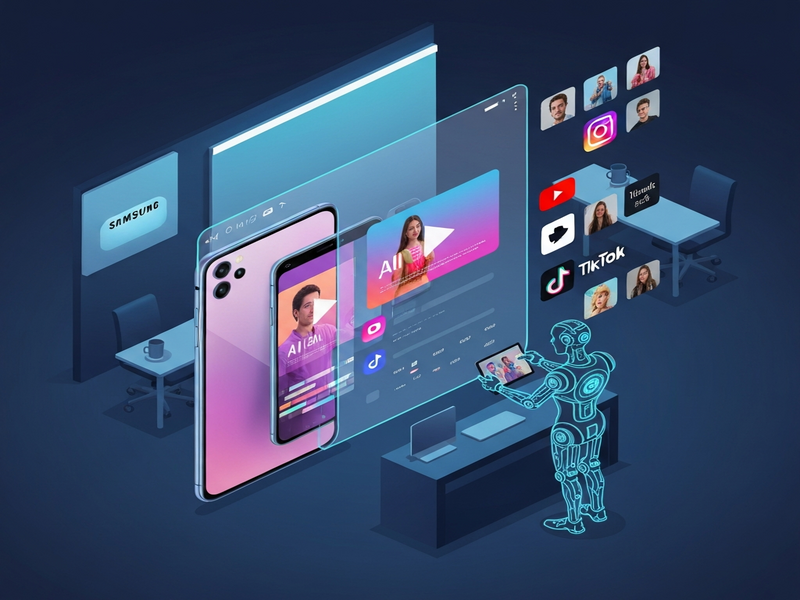
Samsung is now leveraging generative AI to produce video advertisements for its upcoming Galaxy S26, deploying AI‑crafted clips across YouTube, Instagram, and TikTok while sparking a debate over disclosure transparency.
Samsung’s AI‑Powered Advertising Push
In early 2026, Samsung announced a bold experiment: using artificial intelligence to generate and edit promotional videos for its flagship Galaxy S26 series. The campaign, dubbed “Brighten Your After‑Hours,” showcases night‑time skateboarding scenes that claim to demonstrate the phone’s low‑light video prowess. By embedding AI‑generated visuals directly into its social‑media feed, Samsung aims to illustrate the very capabilities it markets—speed, creativity, and cutting‑edge technology—all while reducing production costs and time‑to‑market.
This move aligns with a broader industry trend where brands turn to generative models such as Stable Diffusion, Midjourney, and OpenAI’s DALL‑E to create eye‑catching content. For marketers and tech enthusiasts, Samsung’s approach offers a live case study of AI’s potential—and its pitfalls—in modern advertising.
How Samsung Builds AI‑Generated Video Ads and Where They Appear
Samsung’s production pipeline blends traditional footage with AI‑enhanced elements. According to insiders, the company uses a mix of proprietary tools and third‑party generative models to:
- Enhance low‑light scenes by up‑scaling resolution and reducing noise.
- Insert synthetic objects—like perfectly weighted grocery bags—that would be costly to film.
- Animate background elements (e.g., shifting cobblestones) to add a surreal, futuristic feel.
The final clips are distributed on Samsung’s official YouTube, Instagram, and TikTok channels, where they quickly amassed millions of views. Each video carries a subtle disclaimer at the bottom: “generated with the assistance of AI tools.” However, the visual cues—over‑perfect lighting, uncanny object placement—often betray the AI’s hand before the fine print appears.
While Samsung has not disclosed the exact models used, industry analysts suspect a combination of OpenAI ChatGPT integration for script generation and image‑to‑video frameworks similar to the AI Video Generator template available on the UBOS marketplace. These tools enable rapid iteration: a marketer can type a prompt, receive a storyboard, and render a polished clip within hours.
Disclosure Inconsistencies and Audience Backlash
The AI disclaimer, though present, is often hidden in the lower third of the frame and lacks the bold labeling required by emerging standards such as the Coalition for Content Provenance and Authenticity (C2PA). As a result, many viewers miss the notice entirely, assuming the footage was captured natively on a Samsung device.
Social media users have voiced concerns across platforms:
- Transparency worries: Critics argue that undisclosed AI manipulation blurs the line between genuine product performance and synthetic enhancement.
- Trust erosion: Repeated exposure to AI‑fabricated ads may lead consumers to doubt the authenticity of all brand communications.
- Regulatory scrutiny: Regulators in the EU and US are drafting guidelines that could mandate clearer AI disclosures in advertising.
Samsung’s response has been muted, with the company citing “creative experimentation” and promising to refine its labeling practices. The situation mirrors earlier controversies where tech giants faced backlash for AI‑generated content without proper attribution.
What This Means for the Advertising Landscape
Samsung’s foray into AI‑driven video ads is more than a marketing stunt; it signals a shift that could reshape the entire advertising ecosystem. Below are the key implications for brands, agencies, and platform providers:
1. Accelerated Creative Production
Generative AI can cut production timelines from weeks to days. Agencies can prototype multiple concepts simultaneously, test them with micro‑audiences, and iterate based on real‑time feedback. Tools like the Workflow automation studio enable seamless integration of AI content generation into existing pipelines.
2. New Skill Sets for Marketers
Marketers now need fluency in prompt engineering, model selection, and AI ethics. Platforms such as the AI marketing agents offered by UBOS provide guided workflows that help teams craft compliant AI‑enhanced assets without deep technical expertise.
3. Heightened Regulatory Landscape
As governments tighten rules around synthetic media, brands must adopt robust provenance tracking. The C2PA standard, already integrated into major social platforms, will likely become mandatory for any AI‑generated ad spend exceeding a certain threshold.
4. Competitive Differentiation Through Authenticity
Companies that embrace transparent AI usage can turn compliance into a brand advantage. By openly showcasing the AI tools behind their creations—such as the ChatGPT and Telegram integration for rapid content distribution—brands can position themselves as forward‑thinking yet trustworthy.
Practical Steps for Marketers Looking to Adopt AI Video Ads
- Audit your current workflow: Identify bottlenecks where AI can add value, such as scriptwriting, storyboard generation, or post‑production up‑scaling.
- Choose the right platform: UBOS offers a comprehensive AI platform that integrates video generation, voice synthesis (ElevenLabs AI voice integration), and data storage (Chroma DB integration).
- Implement clear disclosures: Use on‑screen labels that meet C2PA guidelines and include a brief description in the video description.
- Test with micro‑audiences: Deploy AI‑generated variants on platforms like TikTok and measure engagement before scaling.
- Leverage templates: Jump‑start projects with pre‑built assets such as the AI SEO Analyzer or AI Video Generator from the UBOS Template Marketplace.
Conclusion: Embrace AI, but Keep Transparency Front‑and‑Center
Samsung’s AI‑generated ad campaign illustrates both the promise and the perils of synthetic media in brand storytelling. While AI can dramatically accelerate creative cycles and unlock new visual possibilities, it also demands rigorous ethical standards and clear communication with audiences.
For marketers eager to ride this wave, the path forward lies in adopting robust AI platforms—like the UBOS homepage—that blend powerful generation tools with built‑in compliance features. By doing so, you can craft compelling, future‑ready campaigns without sacrificing trust.
Ready to experiment with AI‑driven video ads? Explore UBOS’s templates for quick start, or schedule a demo of the Enterprise AI platform by UBOS today.
Source: The Verge