

- Updated: February 15, 2026
- 6 min read
Google AI Search Summaries Scam: How Fake Phone Numbers Slip In and What to Do – AI Safety News
Google’s AI‑generated search overviews can be hijacked to display fraudulent phone numbers, turning a convenient feature into a new vector for scams.
What the Wired Report Reveals About AI Search Scams
A recent Wired article uncovers a growing threat: scammers are embedding bogus contact numbers in the web pages that feed Google’s AI Overviews. When users rely on these AI‑driven snippets for quick answers, they may inadvertently call a fraudster posing as a reputable company. This risk is especially acute for tech‑savvy users, digital marketers, and privacy‑concerned consumers who trust AI to streamline their workflows.
The problem highlights a broader challenge in the era of generative AI—how to ensure the information presented as “facts” is both accurate and trustworthy. Below, we break down how these scams operate, real‑world examples cited by Wired, practical safety steps, and how platforms like UBOS AI safety are building safeguards against such abuse.
How Google AI Overviews Get Spoofed
Google’s AI Overviews synthesize information from a wide range of web sources, applying large‑language‑model (LLM) techniques to generate concise answers. The process, while powerful, lacks a robust verification layer for every data point, especially contact details. Scammers exploit this gap by:
- Planting fake phone numbers on low‑traffic pages, forums, or comment sections that mention a brand name.
- Leveraging SEO tricks to make those pages rank higher in Google’s index, increasing the chance they’ll be scraped.
- Relying on AI’s “confidence”—the model assumes the scraped data is correct and surfaces it without cross‑checking against official sources.
Because the AI Overview appears as a single, authoritative block, users often skip the extra step of visiting the original site, trusting the AI’s answer as fact. This design choice, while improving user experience, inadvertently amplifies the impact of misinformation.
Real‑World Examples Cited by Wired
The Wired investigation highlighted several incidents that illustrate the scam’s mechanics:
- Banking Support Numbers: A user searching for “Bank of America customer service” received an AI Overview that listed a phone number leading to a call center that demanded personal identification and payment details.
- Utility Companies: Queries for “Pacific Gas & Electric outage line” displayed a number that connected callers to a phishing operation collecting credit‑card information.
- Local Businesses: Small‑business owners reported that their own contact numbers were being replaced with competitor or scam numbers in AI Overviews, causing lost leads and reputational damage.
In each case, the fraudulent number originated from obscure web pages that referenced the legitimate brand but were not vetted by Google’s anti‑spam filters. The AI model, lacking contextual awareness, treated the data as valid.
How to Protect Yourself from AI Overview Scams
While Google is rolling out stronger spam‑detection mechanisms, users must adopt a proactive stance. Below are actionable steps:
- Verify before you call: Always cross‑check phone numbers on the official company website or trusted directories.
- Use multiple sources: If an AI Overview provides a contact detail, perform a secondary search (e.g., “Company name official contact”) to confirm.
- Look for official branding: Genuine contact pages often include SSL certificates (https://), corporate logos, and consistent branding.
- Enable two‑factor authentication (2FA): Even if a scammer obtains your number, 2FA can prevent unauthorized account access.
- Report suspicious AI Overviews: Use Google’s feedback tools to flag inaccurate or fraudulent snippets.
- Leverage AI safety platforms: Solutions like UBOS AI safety provide real‑time validation of AI‑generated content, reducing exposure to misinformation.
Visualizing the Threat
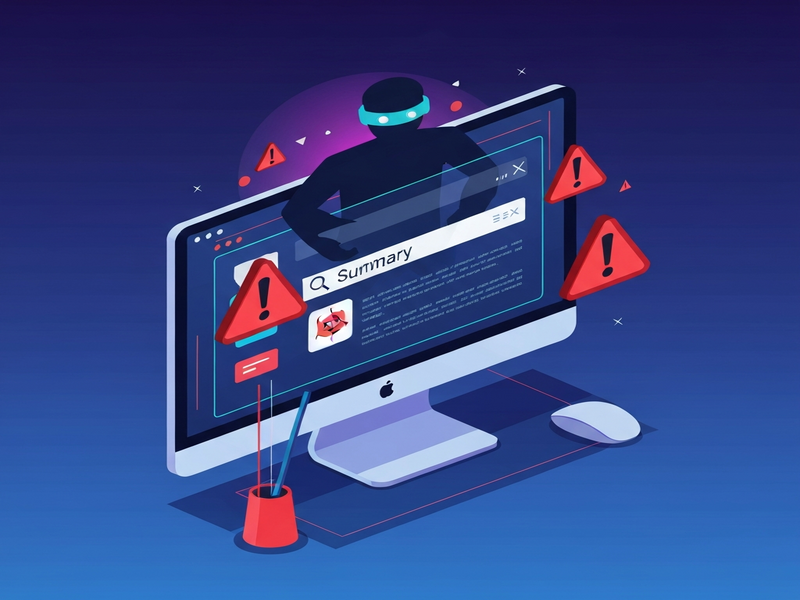
The illustration above captures the flow: a user queries Google, the AI Overview pulls a fake number from a malicious page, and the unsuspecting caller is redirected to a scammer. By visualizing the process, we can better understand where safeguards need to be applied—both at the data‑source level and within the AI summarization pipeline.
Why AI Safety Matters Now More Than Ever
The emergence of AI Overview scams is a symptom of a larger ecosystem challenge: generative AI models are only as trustworthy as the data they ingest. As AI becomes embedded in everyday tools—from search engines to marketing automation—organizations must prioritize safety frameworks.
UBOS Google AI updates track the latest changes in Google’s AI policies, helping developers stay ahead of potential vulnerabilities. Meanwhile, the UBOS platform overview offers built‑in content verification modules that can be integrated into any AI workflow, ensuring that generated outputs are cross‑checked against verified datasets.
UBOS Tools for Secure AI Deployments
UBOS provides a suite of tools designed to safeguard AI applications:
- AI marketing agents that automatically validate claims before publishing.
- Workflow automation studio for building approval pipelines that flag suspicious content.
- Web app editor on UBOS with real‑time linting for AI‑generated text.
- Enterprise AI platform by UBOS offering enterprise‑grade monitoring and audit trails.
Case Study: A Secure AI Chatbot for Customer Support
Using the AI Chatbot template, a fintech firm integrated the OpenAI ChatGPT integration alongside UBOS’s verification layer. The bot now cross‑references any phone number it provides with an internal whitelist, dramatically reducing the risk of directing users to fraudulent contacts.
The same approach can be applied to other use cases, such as the GPT‑Powered Telegram Bot or the AI Video Generator, ensuring that every piece of generated content passes a safety checkpoint before reaching end‑users.
Getting Started with UBOS: Pricing and Resources
Organizations interested in fortifying their AI pipelines can explore the UBOS pricing plans, which include a free tier for startups and a scalable enterprise tier for larger deployments. New users can also accelerate development with UBOS templates for quick start, such as the AI SEO Analyzer or the AI Article Copywriter.
Take Action Today
The rise of AI Overview scams underscores the need for vigilance and robust safety mechanisms. By cross‑checking information, reporting suspicious results, and leveraging platforms like UBOS that embed verification into the AI lifecycle, you can protect yourself and your organization from costly fraud.
Stay informed about the latest developments in AI safety by visiting the About UBOS page and subscribing to updates on Google AI updates. Together, we can ensure that AI remains a force for good rather than a conduit for deception.