

- Updated: February 13, 2026
- 6 min read
OpenAI Removes GPT‑4o Model, Sparking #keep4o Protests in China – Implications for AI Accessibility
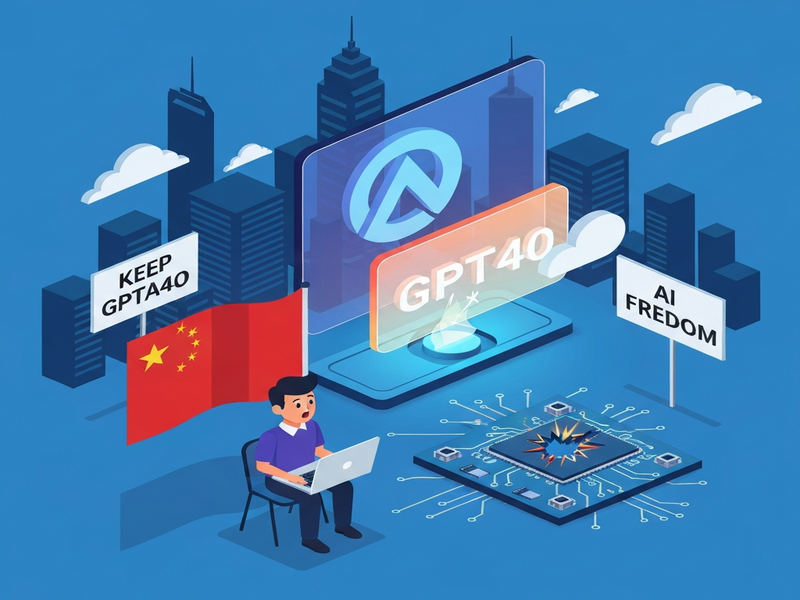
OpenAI has permanently retired the GPT‑4o model, sparking a global backlash—especially in China—where users launched the #keep4o movement, raising questions about AI accessibility, user dependence, and the future of multimodal AI services.
OpenAI Pulls GPT‑4o: Chinese #keep4o Outcry and What It Means for AI Accessibility
On February 13, 2024, OpenAI announced the sunset of GPT‑4o, the multimodal version of ChatGPT that many users praised for its “human‑like” understanding and visual capabilities. The decision triggered an unprecedented wave of protest from Chinese users, who, despite the platform’s blockage in mainland China, accessed it via VPNs and rallied under the hashtag #keep4o. This article dissects the controversy, the model’s unique features, and the broader implications for AI accessibility and user‑centric product design.
What Was GPT‑4o?
GPT‑4o (the “omni” version) was introduced in May 2024 as OpenAI’s first truly multimodal model, capable of processing text, images, and audio in a single conversation. Key capabilities included:
- Seamless image‑to‑text conversion, allowing users to ask questions about photos.
- Real‑time voice interaction via the ElevenLabs AI voice integration, turning spoken queries into detailed answers.
- Enhanced contextual memory that remembered prior interactions across sessions.
- Improved reasoning on visual data, making it a favorite for designers, marketers, and hobbyists.
These features set GPT‑4o apart from its predecessors, earning it a dedicated user base that treated the model less as a tool and more as a conversational companion.
Why OpenAI Decided to Retire the Model
OpenAI cited three primary reasons for the retirement:
- Resource Allocation: Maintaining multiple multimodal versions strained compute resources, prompting a shift toward newer, more efficient architectures.
- Safety & Compliance: Ongoing challenges with hallucinations and content moderation in multimodal contexts required a redesign.
- Strategic Roadmap: The company aims to consolidate its offerings under the upcoming GPT‑5 series, which promises tighter integration of vision and audio.
OpenAI announced the timeline in a blog post, giving developers a final API access window until February 16 and ending consumer‑facing access on February 13. While the base multimodal engine will remain reachable via API, the “GPT‑4o‑latest” variant—favored for its conversational warmth—will disappear from the ChatGPT app.
The #keep4o Movement: Chinese Users React
Even though ChatGPT is officially blocked in China, a vibrant community of users accessed the service through VPNs and proxy tools. When the shutdown was announced, they mobilized across platforms such as RedNote, Weibo, and private Discord servers, creating the #keep4o campaign.
Key moments of the protest include:
- Petitions on Change.org gathering over 20,000 signatures, many written in Mandarin and English.
- Coordinated email blasts to OpenAI investors, including Microsoft and SoftBank, demanding a reversal.
- Public threats to cancel paid subscriptions, with users posting screenshots of farewell messages to their GPT‑4o companions.
One outspoken advocate, a PhD researcher from Syracuse University, highlighted that more than one‑third of the Chinese‑language posts framed the model as a “companion” rather than a mere tool. This sentiment mirrors global trends, where users form emotional bonds with AI agents.
What the Fallout Means for AI Accessibility
The GPT‑4o controversy underscores several critical issues for the AI industry:
1. User Dependence on Specific Model Behaviors
When a model’s personality or multimodal abilities become integral to a user’s workflow, removing it feels akin to losing a trusted colleague. This raises the question: should AI providers offer migration tools or export options for conversation histories?
2. Data Ownership and Portability
OpenAI’s control over chat logs means users cannot easily transfer their “relationship data” to alternative platforms. The lack of portability fuels frustration and calls for clearer data‑ownership policies.
3. Regional Access Disparities
The Chinese backlash highlights how geopolitical restrictions shape AI adoption. Even with VPN circumvention, users face higher latency and security risks, amplifying the emotional impact of service changes.
4. Transparency in Product Roadmaps
OpenAI’s relatively short notice—just weeks before the shutdown—left power users scrambling. More transparent communication could mitigate backlash and preserve trust.
Wired’s Take: A Deeper Look at the Human‑AI Bond
Wired’s coverage (see the original article here) emphasizes that the #keep4o phenomenon is not merely a tech dispute but a cultural moment. The publication notes:
“For many users, especially those in isolated or restrictive environments, GPT‑4o became a bridge to the outside world, offering empathy, creativity, and a sense of companionship that few other tools could match.”
Wired also points out that the emotional intensity mirrors earlier AI companion platforms like Replika, but the scale is unprecedented because ChatGPT serves as a universal gateway for countless daily tasks.
Why This Matters for the Broader AI Ecosystem
The GPT‑4o saga offers a case study for any platform that builds AI‑driven products. Companies like UBOS platform overview are already emphasizing modularity and user‑controlled data to avoid similar fallout.
For startups seeking to avoid lock‑in, UBOS recommends leveraging its UBOS templates for quick start and the Web app editor on UBOS, which let developers swap underlying models without disrupting end‑user experience.
Enterprises can explore the Enterprise AI platform by UBOS, which includes built‑in versioning and migration pathways, ensuring that a future model deprecation does not cripple critical workflows.
Marketers, too, can benefit from the AI marketing agents that are designed to be model‑agnostic, allowing campaigns to continue even as underlying LLMs evolve.
How UBOS Helps Teams Stay Resilient
UBOS’s Workflow automation studio lets organizations define fallback branches that automatically switch to alternative AI providers if a primary model is retired. This “fail‑safe” architecture mirrors best practices advocated by AI ethicists.
SMBs can explore UBOS solutions for SMBs, which bundle affordable pricing with transparent upgrade paths. The UBOS pricing plans are tiered to accommodate growth, ensuring that a sudden model change does not become a financial shock.
Startups looking for rapid prototyping can benefit from the UBOS for startups program, which offers credits for experimenting with emerging models like the upcoming GPT‑5 or open‑source alternatives.
Stay Updated on AI Developments
For continuous coverage of AI policy shifts, model releases, and industry reactions, follow the AI news hub on UBOS. The site also aggregates official statements from OpenAI, making it a reliable source for future updates.
Specific OpenAI announcements, including upcoming model roadmaps, are tracked in the OpenAI updates page. Keeping an eye on these feeds can help developers anticipate deprecations and plan migrations proactively.
Looking Ahead: A More User‑Centric AI Future?
The removal of GPT‑4o is a watershed moment that forces the AI community to confront three intertwined challenges: emotional attachment to models, data portability, and transparent product lifecycles. Companies that embed flexibility—through modular architectures, clear migration tools, and open data policies—will likely retain user trust and avoid the kind of backlash seen in China.
As the industry moves toward next‑generation multimodal models, the lessons from the #keep4o movement will shape how providers balance innovation with responsibility. For businesses and developers, the takeaway is clear: design AI solutions that can evolve without leaving users stranded.
© 2026 UBOS. All rights reserved.