

- Updated: February 3, 2026
- 6 min read
Europe pushes digital sovereignty as France replaces Zoom and Teams with home‑grown platform
Europe is rapidly building digital sovereignty by mandating public‑sector migration from U.S.‑based tools like Zoom and Microsoft Teams to home‑grown alternatives, a move that reshapes data privacy, regulatory compliance, and competitive dynamics for businesses.
Why Europe’s Push for Digital Sovereignty Matters Now
In a bold step that could redefine the continent’s tech landscape, France announced that 2.5 million civil servants will abandon Zoom, Microsoft Teams, Webex, and GoToMeeting by 2027 in favor of a domestically built video‑conferencing service called Visio. The decision is part of a broader EU strategy to reduce reliance on U.S. big‑tech platforms, protect sensitive data, and safeguard strategic autonomy.
Read the full AP News report for the original details: Europe’s digital sovereignty push.
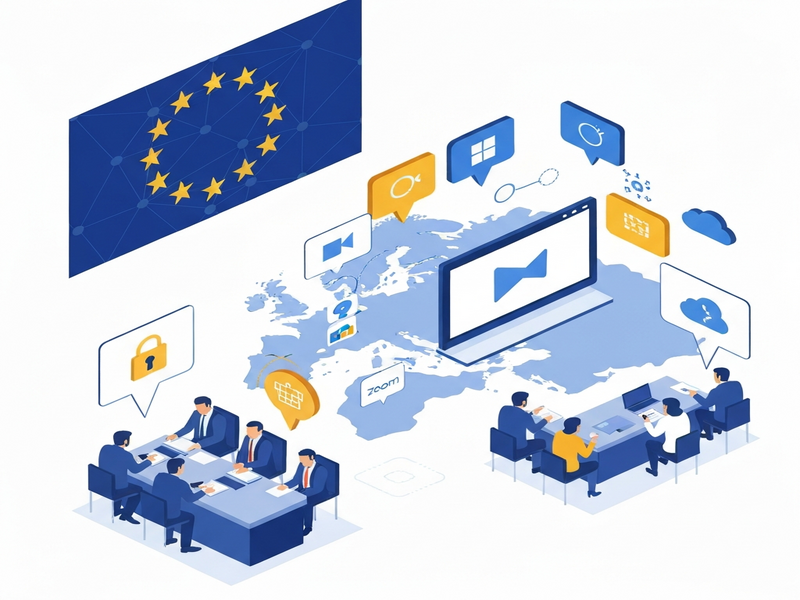
EU‑Wide Momentum Behind Digital Sovereignty
The European Commission, under the banner of “tech‑sovereignty, security and democracy,” has been urging member states to replace foreign‑origin software with European or open‑source alternatives. The rationale is three‑fold:
- Data Privacy: Keeping citizen and government data under EU law reduces exposure to U.S. surveillance and foreign “kill‑switch” threats.
- Strategic Independence: A sovereign digital stack prevents geopolitical leverage from being exercised by a single vendor or country.
- Economic Competitiveness: Investing in home‑grown solutions fuels local tech ecosystems, creates jobs, and spurs innovation.
Countries from Austria to Denmark are already swapping Microsoft Office for open‑source suites, while German states are migrating email and file‑sharing services to Chroma DB integration and other EU‑compliant tools.
France’s Home‑Grown Video Platform: Visio
France’s civil‑service migration is the most visible example of the EU’s sovereignty agenda. The plan, unveiled by Minister David Amiel, targets 2.5 million users across ministries, courts, and public hospitals. Key features of Visio include:
- End‑to‑end encryption hosted in French data centres.
- Full integration with existing French e‑government portals.
- Open‑API support for custom extensions, enabling agencies to embed AI‑driven transcription via ElevenLabs AI voice integration.
The rollout will be phased, with pilot projects in the Ministry of Health and the Ministry of Education before a nationwide cut‑over in 2027.
How Big Tech Is Responding
Major U.S. vendors have issued mixed statements:
- Microsoft: Emphasised its commitment to European data protection, highlighting its “sovereign cloud” offerings that keep data within EU borders. The company also pledged to work closely with French authorities on compliance.
- Zoom & Cisco (Webex): Both declined comment, but industry analysts note that they are accelerating the development of localized data‑center options in Europe.
- Google: No direct comment, yet its parent Alphabet has been expanding “Google Cloud Europe” regions to address similar concerns.
These reactions underscore a growing tension: while firms tout “choice” and “privacy,” regulators are demanding concrete sovereignty guarantees.
What This Means for Companies and Consumers
For business leaders, the shift translates into both risk and opportunity:
Compliance & Risk Management
Enterprises that serve public‑sector clients must audit their communication tools for data‑residency compliance. Failure to migrate could result in contract penalties or loss of market access.
Cost Savings & Innovation
Open‑source alternatives often reduce licensing fees. Moreover, they enable custom AI extensions—such as OpenAI ChatGPT integration—that can automate meeting minutes, sentiment analysis, and multilingual transcription.
For consumers, the benefits are more subtle but significant:
- Enhanced privacy guarantees under GDPR and upcoming EU AI regulations.
- Potentially lower subscription costs as public‑sector procurement drives competition.
- Improved interoperability with other European digital services, such as e‑health portals and e‑government platforms.
How UBOS Helps You Stay Sovereign
UBOS offers a suite of tools designed to align with Europe’s digital sovereignty goals while delivering the agility of modern SaaS solutions.
A Unified Platform Built for Europe
Explore the UBOS platform overview to see how its architecture keeps data within EU borders, supports open‑source components, and integrates seamlessly with government‑grade security standards.
Rapid Development with No‑Code Tools
Leverage the Web app editor on UBOS to build custom portals, dashboards, or citizen‑facing services without writing a line of code. The editor includes pre‑built connectors for:
- Telegram integration on UBOS for secure messaging.
- ChatGPT and Telegram integration to automate citizen queries.
- ElevenLabs AI voice integration for multilingual audio services.
Automation at Scale
The Workflow automation studio lets you orchestrate data pipelines that comply with EU‑level encryption, audit logging, and data‑locality policies. For example, you can automatically route meeting recordings from Visio to a secure storage bucket, then run AI Audio Transcription and Analysis for searchable archives.
AI‑Powered Marketing & Outreach
Boost citizen engagement with AI marketing agents that personalize newsletters, social‑media posts, and policy updates while respecting consent and data‑privacy rules.
Tailored Solutions for Every Segment
Whether you’re a startup, SMB, or enterprise, UBOS has a fit:
- UBOS for startups – fast prototyping with built‑in compliance.
- UBOS solutions for SMBs – cost‑effective licensing and local data residency.
- Enterprise AI platform by UBOS – scalable AI pipelines for ministries and large agencies.
Ready‑Made Templates to Accelerate Adoption
Jump‑start your digital‑sovereignty projects with pre‑built templates from the UBOS marketplace:
- AI SEO Analyzer – ensure your public‑sector sites meet EU SEO standards.
- AI Video Generator – create multilingual outreach videos without leaving the EU.
- AI Article Copywriter – generate policy briefs that respect copyright and data‑privacy.
- AI Chatbot template – deploy citizen‑service bots powered by OpenAI ChatGPT integration.
Partnering for Success
Join the UBOS partner program to co‑develop sovereign solutions, gain access to exclusive training, and receive joint‑marketing support.
Take the Next Step Toward Digital Sovereignty
Europe’s regulatory tide is rising, and early adopters will reap the rewards of compliance, cost savings, and innovation. Explore the UBOS portfolio examples to see how public agencies have already migrated critical workloads.
Ready to evaluate pricing? Review the UBOS pricing plans and discover a tier that matches your organization’s size and security needs.
Start building today with UBOS templates for quick start and accelerate your path to a sovereign digital future.
Conclusion
Europe’s decisive move to replace U.S. video‑conferencing tools with a home‑grown platform is more than a symbolic gesture; it is a concrete step toward data autonomy, regulatory alignment, and a resilient digital economy. Companies that adapt now—by auditing their toolchains, embracing open‑source alternatives, and leveraging platforms like UBOS—will not only avoid compliance pitfalls but also unlock new avenues for AI‑driven efficiency.
Stay informed, stay sovereign, and let UBOS be your trusted partner in this transformation.
Andrii Bidochko
CTO UBOS
Andrii Bidochko is an AI entrepreneur and researcher focused on AI agents, reinforcement learning, and autonomous systems. He writes about the technologies shaping the future of machine intelligence, from frontier models and agent architectures to real-world AI applications.