

- Updated: January 18, 2026
- 7 min read
Meta Discontinues Horizon Workrooms and Quest Sales – What It Means for the Metaverse
Meta has announced that it will discontinue Horizon Workrooms and cease all commercial sales of Meta Quest headsets, with the shutdown effective in February 2026.
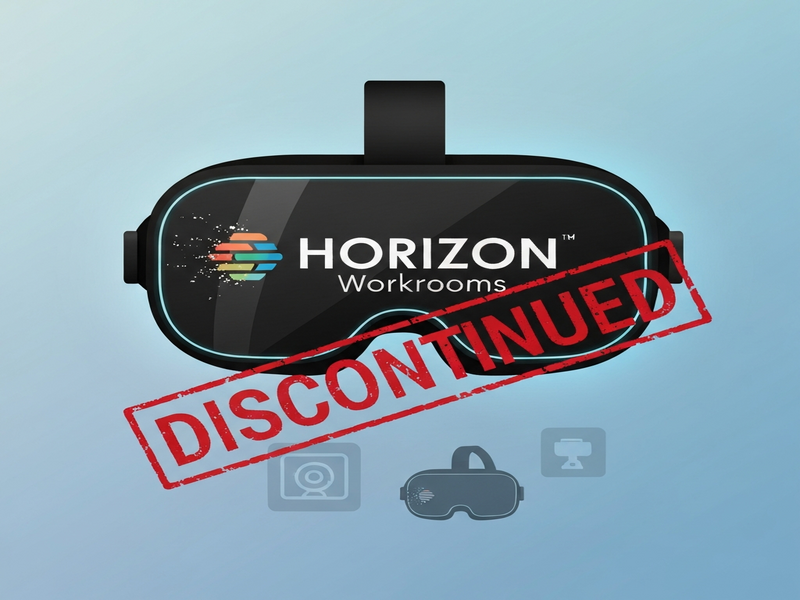
Meta pulls the plug on its VR‑for‑work ambitions
In a terse update posted on its internal help pages, Meta confirmed that Horizon Workrooms – the company’s flagship virtual‑reality collaboration tool – will be retired on February 16, 2026. The same notice added that the firm will stop selling “Meta Horizon managed services” and all commercial SKUs of the Meta Quest headset by February 20, 2026. The decision follows a wave of layoffs in Reality Labs, the division responsible for Meta’s VR hardware and software, and signals a decisive pivot away from enterprise‑focused VR.
For technology enthusiasts, business leaders, and VR developers, this move reshapes the competitive landscape and raises fresh questions about the future of the metaverse. Below we break down the shutdown, its ripple effects, and what Meta’s new strategy could mean for the broader market.
What’s happening to Horizon Workrooms?
Horizon Workrooms launched in 2021 as a “virtual office” where teams could meet, share whiteboards, and collaborate in a 3‑D environment. The service was positioned as a direct competitor to Zoom, Microsoft Teams, and other remote‑work platforms, but with the added immersion of a VR headset.
Key details of the shutdown
- Effective date: February 16, 2026.
- All user data stored in Workrooms will be permanently deleted after the shutdown.
- Meta recommends alternatives such as Microsoft Teams, Zoom Workplace, and the emerging Arthur platform.
- The companion “Meta Quest Remote Desktop” app will remain available for users who still want to run multiple virtual monitors.
“Meta has made the decision to discontinue Workrooms as a standalone app, effective February 16, 2026,” the company wrote in its help‑center notice.
For developers who built integrations or custom avatars for Workrooms, the abrupt termination means a migration plan is required. Existing codebases will need to be refactored for other platforms or for Meta’s remaining consumer‑focused experiences.
Commercial Quest headsets are also going away
Alongside the Workrooms shutdown, Meta announced it will stop selling “Meta Horizon managed services” and all commercial Quest SKUs. The move effectively ends Meta’s B2B hardware pipeline, which had been a cornerstone of its “metaverse for work” narrative.
What this means for businesses
- License continuity: Existing enterprise customers can retain access to their licenses until January 4, 2030, after which the software will become free of charge.
- Hardware procurement: Companies must now source VR headsets from third‑party vendors or shift to Meta’s consumer‑grade Quest line, which lacks the enterprise‑grade support and management tools.
- Strategic realignment: Organizations that bet on VR for training, design, or remote collaboration will need to reassess ROI and explore alternatives such as AR glasses or mixed‑reality platforms.
Meta’s decision reflects a broader trend: the company is reallocating resources toward mobile‑first experiences and AI‑driven creator tools, as highlighted in a recent Bloomberg memo.
Impact on Reality Labs staff and the VR ecosystem
The announcement came on the heels of a 10 % reduction in Reality Labs, amounting to over 1,000 job cuts. The layoffs also shuttered three VR game studios and halted development on flagship titles such as the fitness app Supernatural and the upcoming Batman: Arkham Shadow project.
Employee perspective
Former Reality Labs engineers have described a “rapid pivot” in internal priorities, with many teams being reassigned to mobile‑centric projects or AI research. The loss of dedicated VR talent could slow innovation in immersive experiences for the foreseeable future.
Market reaction
Analysts note that Meta’s retreat from enterprise VR opens space for competitors such as Pico, HTC Vive, and emerging Chinese players. Meanwhile, the consumer market for Quest devices remains robust, driven largely by gaming and social experiences among younger audiences.
Why is Meta changing course?
Meta’s leadership, led by CEO Mark Zuckerberg and CTO Andrew Bosworth, appears to be redefining “metaverse” to focus on mobile and AI rather than fully immersive VR headsets. The shift aligns with three strategic pillars:
- Cost efficiency: Maintaining a high‑end VR hardware pipeline is capital‑intensive. By scaling back, Meta can redirect funds to AI research, which promises faster monetization.
- User base growth: Mobile devices already reach billions of users. Leveraging the Horizon platform on smartphones expands the metaverse’s reach without the friction of headset adoption.
- Competitive differentiation: By emphasizing AI‑generated content tools (e.g., AI marketing agents), Meta can offer creators a unique value proposition that rivals traditional VR‑only ecosystems.
For a deeper dive into Meta’s evolving VR strategy, see our Meta VR strategy analysis and the latest industry trends in our Virtual Reality Trends report.
What developers and businesses should do now
With the enterprise VR road narrowing, developers need to pivot quickly to stay relevant. Below are actionable steps, each linked to resources on the UBOS platform that can accelerate your transition.
1. Re‑tool your app for mobile‑first experiences
UBOS offers a Web app editor that lets you convert VR‑centric interfaces into responsive web applications without rewriting core logic.
2. Leverage AI‑powered content generation
Integrate the AI marketing agents to automate copywriting, social media posts, and even video scripts. For example, the AI SEO Analyzer can help you optimize new mobile experiences for search.
3. Use ready‑made templates to accelerate launch
UBOS’s template marketplace includes dozens of pre‑built solutions. Notable picks for post‑VR pivots:
- AI YouTube Comment Analysis tool – turn video feedback into actionable insights.
- AI Article Copywriter – generate blog content that supports your new mobile strategy.
- AI Video Generator – create short promotional clips without a production crew.
4. Explore new revenue models
Shift from hardware‑centric licensing to SaaS and subscription models. The UBOS pricing plans provide flexible tiers that can accommodate everything from startups to enterprise customers.
5. Join the UBOS partner ecosystem
Collaborate with other innovators through the UBOS partner program. Partnerships can accelerate go‑to‑market efforts and provide co‑marketing opportunities.
Further reading and resources
To keep pace with the fast‑moving VR and AI landscape, explore these UBOS assets:
- Enterprise AI platform by UBOS – a comprehensive suite for large‑scale AI deployments.
- UBOS solutions for SMBs – tailored tools for small and medium businesses transitioning from VR.
- UBOS for startups – accelerate product‑market fit with low‑code AI modules.
- UBOS portfolio examples – see real‑world case studies of successful pivots.
Source
The primary announcement was reported by The Verge. All quoted statements and dates are taken directly from Meta’s official help‑center notices.
Conclusion
Meta’s decision to retire Horizon Workrooms and halt commercial Quest sales marks a watershed moment for the VR industry. While the move signals a retreat from enterprise‑focused immersive collaboration, it also opens a window for mobile‑first metaverse experiences powered by AI. Companies and developers that adapt quickly—by leveraging low‑code platforms, AI‑driven content tools, and flexible SaaS models—will be best positioned to thrive in the post‑VR era.
Stay ahead of the curve by monitoring Meta’s evolving strategy and by exploring the robust ecosystem of tools available on the UBOS homepage. The future of digital collaboration may no longer require a headset, but it will certainly demand smarter, more accessible AI solutions.