

- Updated: January 17, 2026
- 7 min read
CES 2026 Smart Home Showcase: Top Devices and Trends
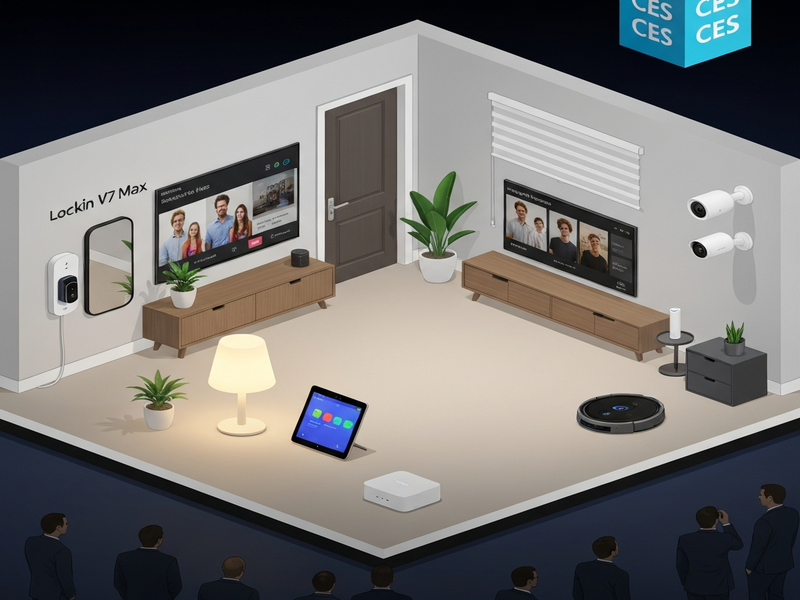
CES 2026 Smart‑Home Device Showcase: Matter‑Ready Innovations Redefine the Connected Home
CES 2026 showcased a wave of Matter‑compatible smart‑home devices that combine lower prices with richer features, making the connected home more affordable and easier to integrate than ever before.
The original Verge report highlighted dozens of gadgets, but this article distills the most compelling trends, the standout products, and what the Matter standard means for everyday homeowners.
If you’re looking for a unified platform to manage these devices, explore the UBOS smart‑home solutions that natively support Matter, Thread, and Zigbee.
Why CES 2026 Matters for Smart‑Home Enthusiasts
CES has always been a bellwether for consumer tech, but 2026 was the first year where price‑performance and interoperability took center stage. Manufacturers stopped building siloed ecosystems and leaned heavily on Matter, resulting in:
- Reduced development overhead, allowing lower retail prices.
- Unified control across Amazon, Google, Apple, and Samsung platforms.
- Improved reliability thanks to Thread‑based mesh networking.
- Faster time‑to‑market for new form factors such as smart mirrors and AI‑enhanced locks.
Key Trends Emerging from the Show Floor
- Matter‑first design: Almost every new product announced supports Matter out of the box.
- AI‑driven personalization: Devices now embed on‑device AI for adaptive lighting, climate, and security.
- Voice‑first interfaces: Integration with Alexa, Google Assistant, and Siri is deeper than ever.
- Modular pricing: Base models are affordable, with optional premium modules (e.g., biometric locks, high‑resolution cameras).
Top Devices That Stole the Spotlight
IKEA Varmblixt Smart Donut Lamp
IKEA’s whimsical Varmblixt lamp combines a sleek donut shape with 12 preset colors and a dedicated Bilresa remote. Once paired with the HomeSmart app or any Matter controller, users gain full RGB control, dimming, and scheduling via Thread. Priced at $99.99, it’s one of the most affordable Matter‑enabled lights on the market.
LIFX Smart Mirror
The new LIFX Smart Mirror doubles as a vanity light and a wall‑mounted ambient display. Front and back LEDs provide daylight‑balanced illumination for makeup checks, while four tactile buttons let you toggle defogging, change color temperature, or trigger custom scenes on other LIFX devices. A forthcoming firmware update will add Thread support, future‑proofing the mirror for the evolving Matter ecosystem. Launch price is projected under $200.
Aqara Thermostat Hub W200
Aqara’s first U.S. thermostat, the W200, merges climate control with a Matter hub that supports Wi‑Fi, Thread, and Zigbee. Its matte touchscreen doubles as a video‑doorbell viewer, showing snapshots from an Aqara doorbell without the latency of full‑stream video. Built‑in mmWave presence sensing optimizes heating based on occupancy, while Apple’s Adaptive Temperature feature reduces energy use. Pricing is expected in the mid‑range segment (around $150‑$180) upon release.
Lockin V7 Max Smart Lock
The V7 Max is a premium mortise lock that introduces AuraCharge—wireless optical charging that eliminates battery swaps. It supports three biometric methods (finger‑vein, palm‑vein, 3D facial recognition) and features dual screens: an interior “peephole” display and an exterior keypad with a customizable AI avatar. LockinAI logs deliveries, monitors foot traffic, and can trigger Matter scenes (e.g., turning on hallway lights). Though pricing isn’t disclosed, the lock targets high‑end residential markets.
LG CLOiD Home Robot
LG’s CLOiD robot is a proof‑of‑concept assistant that can load washing machines, fetch snacks, and coordinate with LG ThinQ appliances. While not yet a commercial product, its integration with the Enterprise AI platform by UBOS demonstrates how Matter‑compatible robots could orchestrate multi‑device routines across brands.
GE Lighting Smart Shades
GE’s new roller shades use Matter over Thread for rock‑solid, battery‑efficient operation. Installation is screw‑free, and the shades come in light‑filtering or blackout finishes for just over $300 per 24‑inch panel. Their low price point illustrates how Matter is democratizing traditionally expensive window‑treatment tech.
Aqara G350 Matter Camera
The G350 is a dual‑lens 4K indoor camera that also acts as a Matter controller, Thread border router, and Zigbee hub. Its 9× optical zoom and 360° pan/tilt are complemented by a physical privacy shutter that rolls back into the housing. Video can be stored locally on a microSD card or in Aqara’s optional cloud, and the device is already compatible with Samsung SmartThings.
GE Profile Smart Fridge
GE’s 4‑door French‑door fridge integrates an Android tablet into the water dispenser, offering voice‑activated grocery list creation, barcode scanning, and recipe suggestions. An interior camera streams produce images to the tablet, letting users check inventory without opening the door. Priced around $5,000, the fridge showcases how premium appliances are becoming first‑class Matter participants.
Amazon Ember Artline TV
Amazon’s Ember Artline TV blends a sleek, frame‑swap design with far‑field microphones for Alexa control. An embedded mmWave sensor feeds occupancy data to Alexa’s Omnisense platform, enabling routines such as “turn off lights when you leave the couch.” The TV launches in spring 2026, ranging from 55‑ to 65‑inch models at $899.
Matter Integration and Pricing Trends
The Matter standard has become the lingua franca of the smart‑home industry. Its impact on pricing can be broken down into three clear categories:
- Base‑model affordability: Devices that previously required proprietary bridges now ship with built‑in Thread radios, shaving $20‑$50 off MSRP.
- Modular upgrades: Manufacturers offer optional add‑ons (e.g., biometric modules for locks, higher‑resolution camera sensors) that let consumers pay only for the features they need.
- Future‑proofing discounts: Early‑adopter bundles that include a Matter hub (like the Aqara W200) receive a 10% discount when purchased with another Matter‑compatible product.
For developers and integrators, the shift means fewer SDKs to maintain and a single certification path. The UBOS partner program now offers a Matter‑ready development sandbox, accelerating time‑to‑market for custom solutions.
“The biggest story at CES 2026 isn’t a single product—it’s the industry‑wide embrace of Matter, which finally lets us buy a light bulb, a lock, or a fridge without worrying about which ecosystem it belongs to.” – The Verge
What This Means for Tech‑Savvy Homeowners
If you’re a homeowner who loves tinkering with the latest gadgets, CES 2026 delivers three actionable takeaways:
- Start with a Matter hub: Devices like the Aqara W200 or the Web app editor on UBOS give you a single point of control.
- Prioritize AI‑enabled products: Look for built‑in presence sensing, adaptive lighting, or voice‑first features to future‑proof your setup.
- Leverage modular pricing: Buy a base model now and add premium modules later as your budget allows.
By aligning your smart‑home roadmap with these trends, you’ll enjoy smoother automation, lower energy bills, and a more cohesive user experience across all rooms.
Ready to Future‑Proof Your Home?
Explore the full CES 2026 highlights on the UBOS site, and start building a Matter‑first smart home today. Whether you’re a DIY enthusiast or a professional integrator, UBOS offers the tools, templates, and partner support you need to turn these showcase devices into a seamless, intelligent living space.