

- Updated: November 12, 2025
- 4 min read
AI Agents Take Over the Workplace: Insights from Wired and Sam Altman’s Vision
The Rise of AI Agents in the Workplace: A Game Changer for Business Dynamics
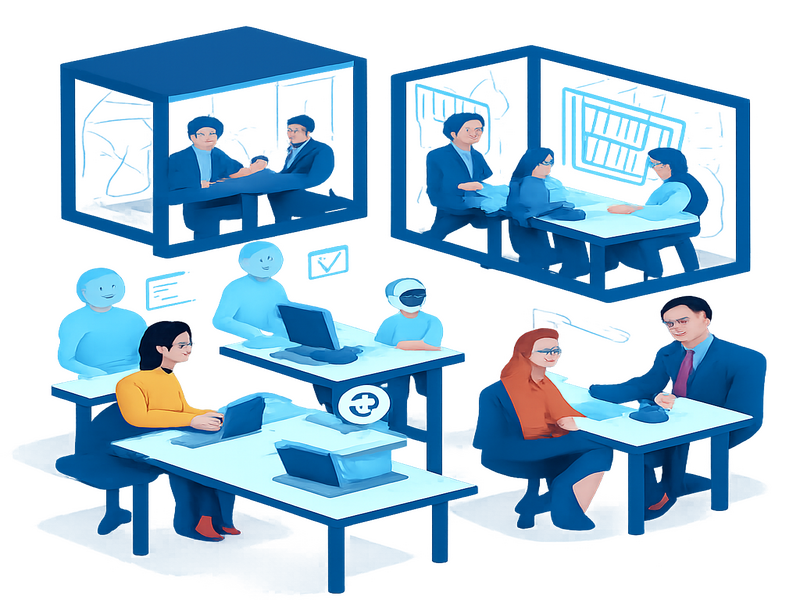
In the rapidly evolving landscape of technology, AI agents are emerging as a transformative force in the workplace. With the potential to redefine how businesses operate, these autonomous entities are poised to enhance productivity and efficiency across various sectors. As we delve into the implications of AI agents, we explore insights from industry leaders like Sam Altman and examine the broader business impacts.
Understanding the Rise of AI Agents
AI agents are not just a futuristic concept; they are becoming an integral part of today’s business ecosystem. These agents, powered by advanced algorithms and machine learning, are designed to perform tasks autonomously, making decisions based on data analysis without human intervention. This shift from traditional AI models to autonomous agents marks a significant milestone in the evolution of artificial intelligence.
Insights from the Wired Article
A recent Wired article highlights the transformative potential of AI agents. It discusses how these agents are being deployed in various capacities, from customer service roles to complex data analysis tasks. The article underscores the growing trend of businesses integrating AI agents into their operations, driven by the promise of increased efficiency and reduced operational costs.
Sam Altman’s Perspective on AI Agents
Sam Altman, a prominent figure in the AI industry, has been vocal about the potential of AI agents to revolutionize the workplace. He envisions a future where AI agents could handle a majority of tasks currently performed by humans, leading to a more streamlined and efficient business environment. Altman’s insights reflect a broader industry sentiment that AI agents are not just an augmentation tool but a fundamental shift in how work is conducted.
Business Implications and Challenges
The integration of AI agents into business operations brings both opportunities and challenges. On one hand, AI agents can significantly enhance productivity by automating repetitive tasks, allowing human employees to focus on more strategic activities. On the other hand, this shift raises concerns about job displacement and the need for a workforce that can adapt to new technological realities.
Key Challenges Include:
- Job Displacement: As AI agents take over routine tasks, there is a risk of job losses in certain sectors.
- Skill Gap: The demand for skills in AI and data analysis is growing, necessitating upskilling and reskilling of the workforce.
- Ethical Considerations: The deployment of AI agents raises ethical questions about decision-making and accountability.
Benefits and Use-Cases of AI Agents
Despite the challenges, the benefits of AI agents are compelling. They offer businesses the ability to scale operations quickly and efficiently, providing a competitive edge in today’s fast-paced market. Some notable use-cases include:
- Customer Service: AI agents can handle customer inquiries 24/7, providing timely and accurate responses.
- Data Analysis: These agents can process large volumes of data, uncovering insights that drive business strategy.
- Process Automation: From scheduling to inventory management, AI agents can automate various business processes.
For businesses looking to leverage AI agents, platforms like the UBOS AI Agents offer robust solutions tailored to different industry needs.
The Future Outlook of AI Agents
The future of work is undeniably intertwined with the rise of AI agents. As these technologies continue to evolve, they will play a crucial role in shaping the workplace of tomorrow. Businesses that embrace AI agents will likely see enhanced innovation and productivity, positioning themselves at the forefront of their industries.
For more insights into how AI is transforming the workplace, explore the future of work with UBOS.
Conclusion: Embracing the AI-Driven Future
As AI agents become more prevalent, businesses must navigate the opportunities and challenges they present. By embracing these technologies, companies can unlock new levels of efficiency and innovation. The journey towards an AI-driven future is just beginning, and those who adapt will thrive in this new era of work.
To learn more about integrating AI into your business, visit the UBOS homepage for comprehensive solutions and insights.