

- Updated: July 3, 2025
- 4 min read
Landmark Ruling Favors Anthropic: AI Training and Copyright Fair Use
Anthropic Triumphs in Court: A Landmark Ruling on AI, Copyright, and Fair Use
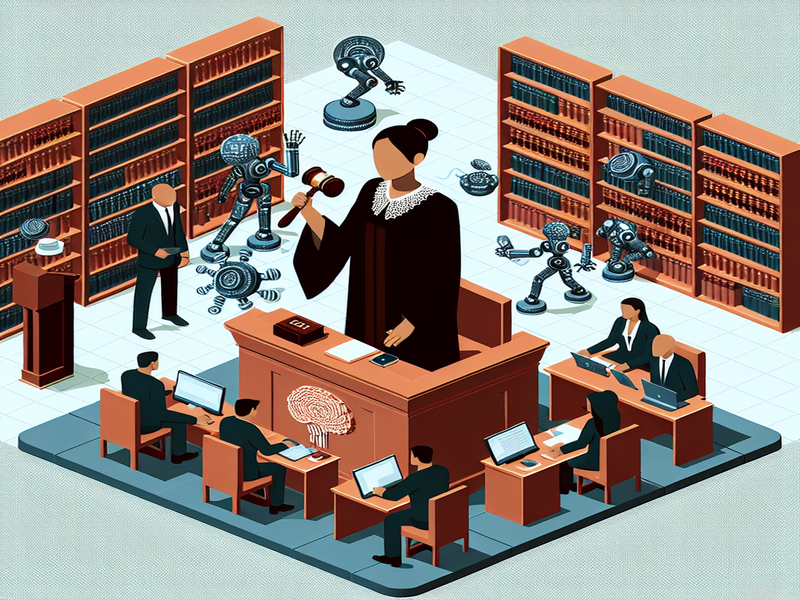
In a groundbreaking legal development, the court has ruled in favor of Anthropic, a leading AI research company, allowing the use of copyrighted materials for AI training under the ‘fair use’ doctrine. This decision marks a significant moment in the intersection of artificial intelligence and copyright law, setting a precedent for future cases. This article delves into the details of the ruling, the implications of the ‘fair use’ doctrine, piracy concerns, and the potential influence on future AI and copyright law.
Understanding the ‘Fair Use’ Doctrine
The court’s ruling hinged on the application of the ‘fair use’ doctrine, a legal principle that permits limited use of copyrighted material without requiring permission from the rights holders. In this case, the court determined that Anthropic’s use of copyrighted works for training AI models was transformative, thus qualifying as fair use. This transformative aspect is crucial, as it implies that the AI models created by Anthropic provide a new and different purpose from the original works, such as generating insights or predictions that were not possible with the original copyrighted content.
For more insights into how AI is transforming various industries, you can explore the GPT-Builder: Low-code generative AI and its applications.
Piracy Concerns and the Legal Battle
Despite the favorable ruling, the case also highlighted significant concerns regarding piracy. Anthropic was found to have downloaded millions of pirated books to train their AI models, raising questions about the ethical and legal implications of using such materials. While the court acknowledged these piracy issues, it ultimately ruled that the transformative nature of Anthropic’s AI models outweighed the concerns.
The decision underscores the ongoing tension between innovation in AI and the protection of intellectual property rights. As AI technologies continue to evolve, companies like Anthropic must navigate the complex legal landscape to ensure they remain compliant while pushing the boundaries of AI capabilities.
Potential Influence on Future AI and Copyright Law
This ruling could have far-reaching implications for future AI and copyright lawsuits. By recognizing the transformative nature of AI models, the court has set a precedent that may encourage other AI companies to pursue similar defenses in copyright cases. This could lead to a shift in how copyright law is interpreted and applied in the context of AI development.
Furthermore, the ruling may prompt lawmakers to revisit and potentially revise existing copyright laws to better address the unique challenges posed by AI technologies. As the legal framework evolves, it will be crucial for AI companies to stay informed and adapt to new regulations to avoid legal pitfalls.
For those interested in the broader implications of AI in various sectors, the Embracing AI agents and autonomous organizations article provides valuable insights.
Conclusion: Implications for the Industry
The court’s ruling in favor of Anthropic represents a pivotal moment in the ongoing dialogue between AI innovation and copyright protection. By affirming the transformative use of copyrighted materials for AI training, the decision opens doors for further advancements in AI research while highlighting the need for ethical considerations and compliance with intellectual property laws.
As the AI industry continues to grow, companies must balance the pursuit of technological breakthroughs with the responsibility to respect copyright laws and address piracy concerns. This ruling serves as a reminder of the importance of navigating the legal landscape thoughtfully and strategically.
For more on how AI is shaping the future, explore the AI-powered chatbot solutions and their impact on business growth.
The journey of AI and copyright law is far from over, and the industry will undoubtedly continue to evolve as new challenges and opportunities arise. Stay informed on the latest developments and explore the potential of AI technologies to drive innovation and growth.
For more information on how AI is revolutionizing various industries, visit the UBOS homepage and discover the latest advancements in AI technology.
Andrii Bidochko
CTO UBOS
Andrii Bidochko is an AI entrepreneur and researcher focused on AI agents, reinforcement learning, and autonomous systems. He writes about the technologies shaping the future of machine intelligence, from frontier models and agent architectures to real-world AI applications.