

- Updated: June 2, 2025
- 3 min read
The Return of Google Glass: Revolutionizing Wearable Technology with Android XR Smart Glasses
Google Glass Returns: A New Era of Android XR Smart Glasses with AI Innovations
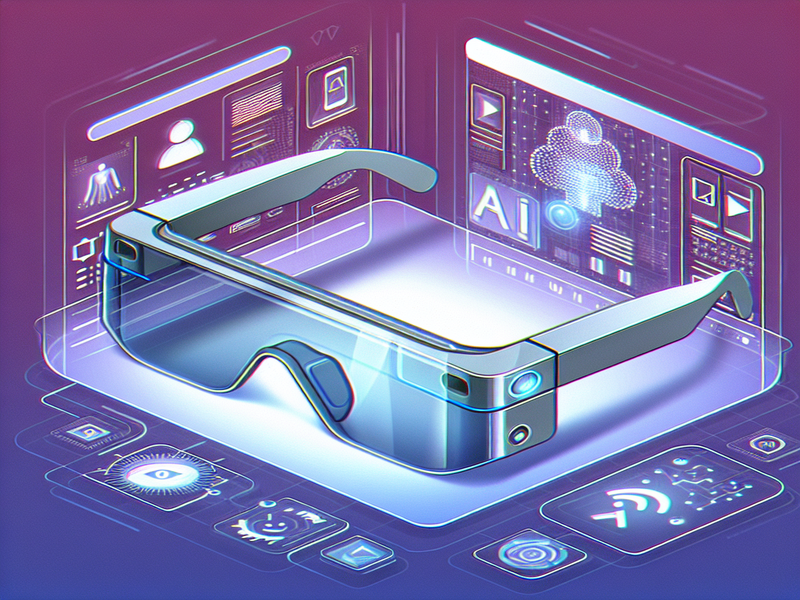
In a groundbreaking move, Google Glass is making a remarkable comeback, this time with Android XR smart glasses. The tech world is abuzz with excitement as these AI-powered glasses promise to redefine the landscape of wearable technology and augmented reality. With enhanced features and a strategic market approach, Google Glass is poised to capture both enterprise and consumer markets.
Key Innovations in Google Glass
Enhanced Display and AI-Powered Applications
One of the standout features of the new Google Glass is its enhanced display. The glasses now boast a high-resolution screen that offers a more immersive augmented reality experience. This innovation is complemented by AI-powered applications that leverage the capabilities of the OpenAI ChatGPT integration, enabling users to interact with their environment in unprecedented ways.
Improved Battery Life
Battery life has always been a critical concern for wearable technology. Google has addressed this issue by incorporating advanced battery technology that extends the usage time of the glasses. This improvement ensures that users can rely on their AI glasses for longer periods without frequent recharging, making them ideal for both professional and personal use.
AI-Powered Applications
The integration of AI into Google Glass is a game-changer. With AI-powered applications, users can enjoy features such as real-time translation, contextual information, and personalized notifications. This aligns with the mission of UBOS to enhance productivity and digital interaction through innovative software solutions.
Market Strategy: Targeting Enterprise and Consumer Markets
Enterprise Market
Google Glass is strategically targeting the enterprise market by offering solutions that enhance workplace productivity. The glasses can be integrated with existing enterprise systems, providing hands-free access to critical information. This approach is similar to the offerings of Enterprise AI platform by UBOS, which supports businesses in leveraging AI for operational efficiency.
Consumer Market
For the consumer market, Google Glass is positioned as a lifestyle accessory that enhances daily experiences. With features like navigation, fitness tracking, and social media integration, the glasses appeal to tech enthusiasts and professionals alike. This aligns with the vision of UBOS for startups, which emphasizes the importance of AI in transforming everyday life.
Conclusion: Future Prospects and Impact on Wearable Technology
The reintroduction of Google Glass as Android XR smart glasses marks a significant milestone in the evolution of wearable technology. By integrating AI and augmented reality, Google is setting the stage for a new era of digital interaction. This development is expected to have a profound impact on both enterprise and consumer markets, driving innovation and adoption of AI-powered solutions.
As we look to the future, the potential for Google Glass to revolutionize industries is immense. From healthcare to logistics, the applications of these smart glasses are vast and varied. Companies like UBOS are already exploring the possibilities of AI in various sectors, showcasing how wearable technology can transform the way we live and work.
In conclusion, the return of Google Glass with Android XR smart glasses is a testament to the power of innovation and the endless possibilities of AI. As we embrace this new era of technology, the potential for growth and advancement is limitless, paving the way for a brighter, more connected future.
Andrii Bidochko
CTO UBOS
Andrii Bidochko is an AI entrepreneur and researcher focused on AI agents, reinforcement learning, and autonomous systems. He writes about the technologies shaping the future of machine intelligence, from frontier models and agent architectures to real-world AI applications.