

- Updated: March 28, 2025
- 3 min read
The Political Implications of ChatGPT’s Ghibli Filter
Political Implications of ChatGPT’s Ghibli Filter: AI, Ethics, and Influence
The intersection of artificial intelligence and politics is a topic of increasing relevance, especially with the recent developments surrounding ChatGPT’s Ghibli filter. This AI-generated art feature has not only captivated audiences with its whimsical style but also sparked significant political debates. As AI continues to integrate into various aspects of life, understanding its political implications becomes crucial.
Understanding ChatGPT’s Ghibli Filter
ChatGPT’s Ghibli filter is a feature that allows users to transform images into the signature style of Studio Ghibli, a beloved Japanese animation studio. While seemingly innocuous, this tool has been used controversially, including by the White House, to create politically charged images. The implications of such uses highlight the intersection of AI and politics, raising questions about ethical boundaries and public perception.
The Role of OpenAI and Ethical Concerns
OpenAI, the organization behind ChatGPT, finds itself at the center of a complex web of ethical concerns. The use of AI-generated art, particularly in political contexts, poses significant ethical questions. OpenAI’s role in developing and promoting these technologies necessitates a closer examination of its responsibilities and the potential for misuse.
For instance, OpenAI’s advancements in AI technology, such as the OpenAI ChatGPT integration, demonstrate the potential for AI to revolutionize industries. However, the ethical implications of AI-generated content, particularly when used for political purposes, remain a topic of debate. OpenAI must navigate these challenges while ensuring that its technologies are used responsibly.
Cultural and Political Dynamics in the Tech Industry
The tech industry is deeply intertwined with cultural and political dynamics. Influential figures like Elon Musk and Donald Trump have played significant roles in shaping public perception of AI technologies. The use of AI-generated art in political contexts underscores the power dynamics at play within the tech industry.
Moreover, the influence of major tech companies on political discourse cannot be understated. Platforms like UBOS are at the forefront of navigating these complexities, providing tools and solutions that help organizations manage the ethical and political implications of AI technologies. The Enterprise AI platform by UBOS exemplifies how technology can be harnessed to address these challenges.
Future Outlook: AI Technologies in Politics and Culture
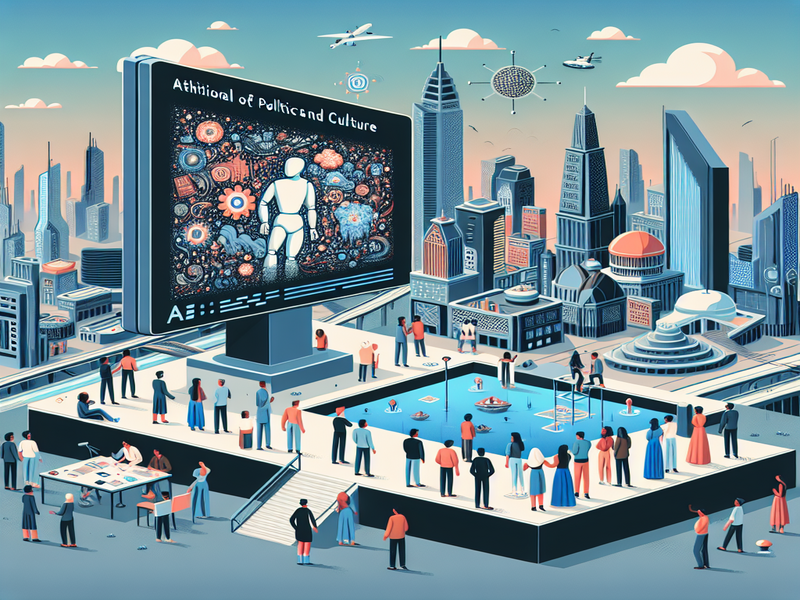
As AI technologies continue to evolve, their impact on politics and culture will likely grow. The political implications of AI-generated content, such as ChatGPT’s Ghibli filter, highlight the need for robust ethical frameworks and responsible usage. Organizations like OpenAI and UBOS have a pivotal role to play in shaping the future of AI technologies.
Looking ahead, the integration of AI into political and cultural spheres will require ongoing dialogue and collaboration between tech companies, policymakers, and society at large. Initiatives like the UBOS partner program offer opportunities for collaboration and innovation, fostering a more responsible and ethical approach to AI development.
In conclusion, the political implications of ChatGPT’s Ghibli filter serve as a reminder of the complex relationship between AI, ethics, and influence. As AI technologies continue to shape our world, it is essential to navigate these challenges thoughtfully and responsibly, ensuring that AI serves as a force for good in society.
Related Articles
Andrii Bidochko
CTO UBOS
Andrii Bidochko is an AI entrepreneur and researcher focused on AI agents, reinforcement learning, and autonomous systems. He writes about the technologies shaping the future of machine intelligence, from frontier models and agent architectures to real-world AI applications.