

- Updated: February 16, 2026
- 6 min read
Ring’s AI‑Driven Search Party Sparks Privacy Debate After Super Bowl Launch
Ring’s Search Party feature, promoted during the Super Bowl, has ignited a major privacy controversy that led to the abrupt cancellation of its planned integration with Flock Safety and renewed debate over AI‑driven surveillance in smart homes.
What Is the Ring Search Party Feature and Why It Became a Flashpoint
The Ring Search Party is an AI‑powered tool that scans footage from millions of Ring cameras to locate lost pets. By leveraging computer‑vision models, the service can match a dog’s appearance across a neighborhood and notify owners in real time.
While the technology sounds helpful, the Super Bowl commercial that introduced it framed the feature as a community‑wide “search party,” implying that the same AI could be repurposed to locate people. Critics quickly argued that this dual‑use potential opens the door to mass surveillance, especially given Ring’s historic partnership with law‑enforcement agencies.
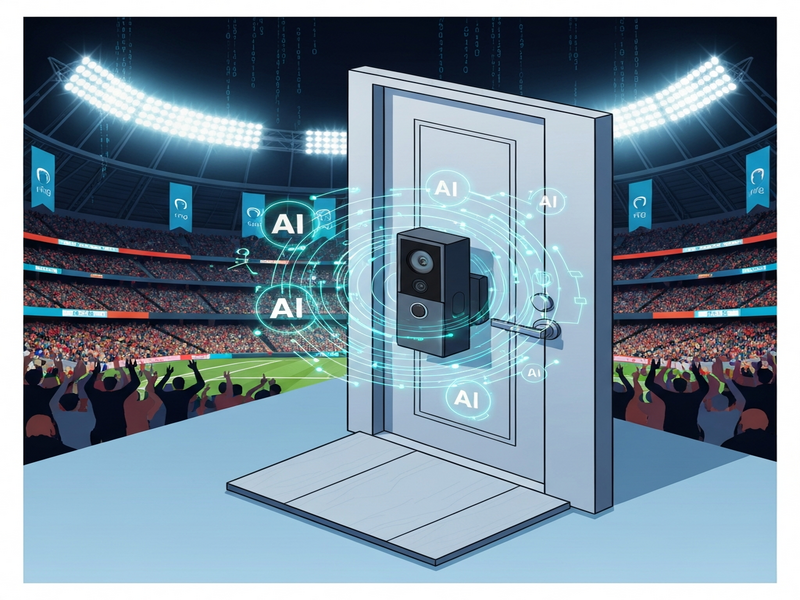
How the Super Bowl Spot Fueled the Debate
The 30‑second ad aired during the 2026 Super Bowl, showcasing a family using the Search Party to reunite with a missing Labrador. The narrative quickly shifted to a montage of neighborhood cameras “working together,” which many interpreted as a subtle nod to broader surveillance capabilities.
- Viewers noted the tagline “Your neighborhood, together,” echoing language used by law‑enforcement‑focused tech firms.
- Social‑media sentiment analysis by PeakMetrics showed a sharp spike in negative mentions within 48 hours of the broadcast.
- Prominent politicians, including Sen. Ed Markey, labeled the ad “dystopian” and called for a halt to facial‑recognition features on Ring devices.
Ring’s AI Surveillance Strategy: From Doorbells to Police Partnerships
Ring, owned by Amazon, has long marketed its video doorbells as a deterrent against burglary. Over the past few years, the company has layered AI capabilities—motion detection, familiar‑faces alerts, and now Search Party—onto its hardware.
Law‑Enforcement Access and the “Neighborhood Watch” Model
Ring’s About UBOS‑style transparency reports reveal that police can request video clips through the Ring Neighbors app, often without a warrant. The company argues this “community‑first” approach helps solve crimes faster, but civil‑rights groups contend it creates a de‑facto surveillance network.
The Flock Safety Partnership That Went Dark
In October 2025, Ring announced a partnership with UBOS partner program‑listed vendor Flock Safety, a firm that supplies AI‑enhanced cameras to municipalities. Flock’s technology aggregates video feeds, runs license‑plate and facial‑recognition algorithms, and—according to investigative reporting—has supplied data to ICE without judicial oversight.
Ring’s plan was to embed Flock’s analytics into its own platform, creating a seamless pipeline from a homeowner’s doorbell to federal databases. The partnership never launched, but the mere prospect triggered a firestorm.
Backlash and the Sudden Cancellation of the Flock Deal
Within days of the Super Bowl spot, consumer advocacy groups, privacy NGOs, and everyday users demanded accountability. The backlash manifested in several concrete actions:
- Social‑media campaigns: Hashtags #RingSurveillance and #CancelFlock trended on X and Reddit.
- Legislative pressure: Senators introduced a bill to restrict law‑enforcement access to private home video without a warrant.
- Investor scrutiny: Major shareholders requested a review of Ring’s data‑sharing policies.
On February 12, Ring issued a press release stating, “Following a comprehensive review, we determined the planned Flock Safety integration would require significantly more time and resources than anticipated. As a result, we have mutually decided to cancel the integration.” The statement also noted that no Ring customer videos were ever transmitted to Flock.
Key Voices: Nilay Patel and Jamie Siminoff Respond
“We’re not building a dystopia; we’re building a safer neighborhood. The AI is a co‑pilot, not a police state,” – Jamie Siminoff.
“The Super Bowl ad was a misstep. It framed a pet‑finding tool as a community surveillance platform, which is misleading,” – Nilay Patel.
Broader Implications for Privacy, Civil Rights, and Law‑Enforcement Access
The Ring controversy underscores several systemic issues that extend beyond a single product launch:
- Data sovereignty: Homeowners own the video, yet third‑party APIs can process it without explicit consent.
- Algorithmic bias: Facial‑recognition models have higher error rates for people of color, raising civil‑rights concerns.
- Precedent for other IoT devices: Smart thermostats, voice assistants, and even AI‑driven pet trackers could follow the same integration path.
- Regulatory gaps: Current U.S. privacy law does not adequately address AI‑driven video analytics in private residences.
- Consumer trust erosion: When a brand’s marketing promises safety but appears to enable surveillance, user confidence drops sharply.
What Smart‑Home Owners Should Do Right Now
If you own a Ring doorbell—or any AI‑enabled security camera—consider the following steps to protect your privacy while still benefiting from smart‑home convenience:
- Review the privacy settings in the Ring app and disable “Search Party” if you’re uncomfortable.
- Opt‑out of the Ring Neighbors sharing program; this prevents automatic uploads to law‑enforcement portals.
- Enable end‑to‑end encryption where available; UBOS’s Web app editor demonstrates how custom encryption can be added to IoT data streams.
- Consider alternative platforms that prioritize data ownership, such as the Enterprise AI platform by UBOS, which offers on‑premise AI processing.
- Stay informed through community forums and privacy‑focused newsletters.
How UBOS Helps You Build Privacy‑First AI Solutions
UBOS provides a suite of tools that let developers create AI‑driven applications without surrendering user data to third parties:
- UBOS platform overview – a low‑code environment for secure AI pipelines.
- UBOS templates for quick start – includes an AI SEO Analyzer and an AI Article Copywriter that run locally.
- Workflow automation studio – automate data‑flow while keeping raw video on‑device.
- UBOS pricing plans offer a free tier for hobbyists and a scalable enterprise tier for large‑scale deployments.
- For startups, the UBOS for startups program provides mentorship on building privacy‑first AI products.
Future Outlook: Will AI Surveillance Ever Be Fully Trusted?
The Ring episode illustrates that technology alone cannot resolve the tension between safety and privacy. Future developments will likely hinge on three factors:
- Legislative action: Clear statutes governing AI‑driven video analytics in private homes could set industry standards.
- Technical safeguards: Edge‑AI processing, differential privacy, and transparent audit logs (as advocated by UBOS’s AI Video Generator template) can limit data exposure.
- Consumer advocacy: Informed users who demand opt‑in models will push companies toward more ethical designs.
Until these pillars solidify, every new feature—whether it’s a pet‑finding AI or a “familiar‑faces” alert—will be examined through the lens of civil liberties.
Call to Action: Take Control of Your Smart‑Home Data
Don’t let a catchy Super Bowl jingle dictate how your home data is used. Review your device settings, explore privacy‑first alternatives, and join the conversation on responsible AI. For developers looking to build the next generation of secure smart‑home tools, start with the UBOS solutions for SMBs and leverage the AI Video Generator template to prototype without compromising user privacy.
Stay updated on the evolving landscape of AI surveillance, privacy law, and smart‑home innovation by following our news hub and subscribing to the UBOS partner program for early access to responsible AI tools.
Andrii Bidochko
CTO UBOS
Andrii Bidochko is an AI entrepreneur and researcher focused on AI agents, reinforcement learning, and autonomous systems. He writes about the technologies shaping the future of machine intelligence, from frontier models and agent architectures to real-world AI applications.