

- Updated: January 7, 2026
- 5 min read
RayNeo Unveils X3 Pro eSIM AR Glasses with 4G, AI and Snapdragon AR1 at CES 2026
RayNeo’s X3 Pro Project eSIM AR glasses, unveiled at CES 2026, are the first consumer‑focused smart glasses that combine built‑in eSIM, 4G connectivity, Snapdragon AR1 processing and a dual‑eye MicroLED display to deliver truly phone‑free, AI‑enhanced experiences.
RayNeo X3 Pro Project eSIM AR Glasses: 4G, AI, MicroLED & Snapdragon AR1 at CES 2026
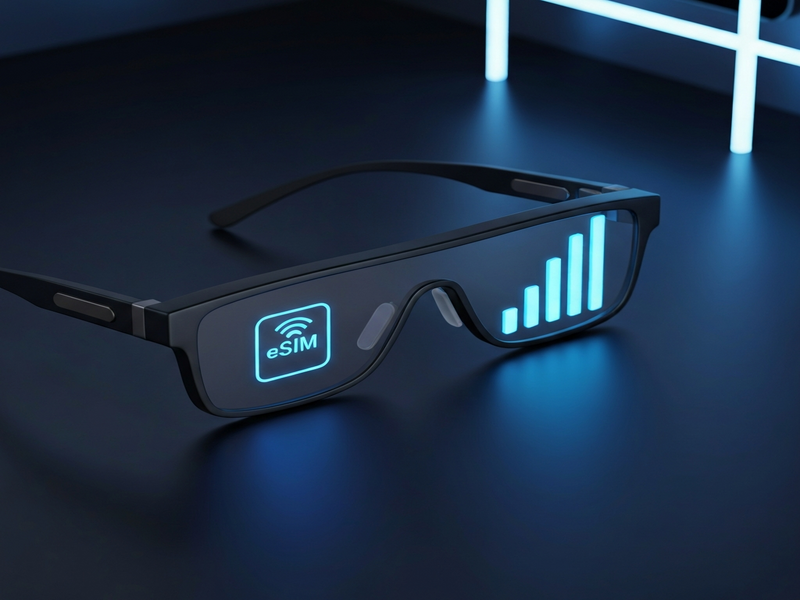
At the bustling CES 2026 showcase, Chinese wearable‑tech pioneer RayNeo introduced the X3 Pro Project – a sleek pair of AR glasses that operate independently of a smartphone. Powered by a built‑in eSIM and native 4G connectivity, the device lets users place calls, converse with AI assistants, translate languages in real time, and stream music—all from a lightweight frame that feels like a pair of ordinary spectacles.
Key Specifications
| Component | Details |
|---|---|
| Connectivity | Integrated eSIM with global 4G LTE support |
| Processor | Qualcomm Snapdragon AR1 platform |
| Display | Dual‑eye full‑color MicroLED, 16.7 million colors, nano‑etched waveguide, 43‑inch virtual screen equivalent |
| Weight | Only 2 g heavier than the predecessor (≈ 45 g total) |
| Battery Life | Up to 6 hours of continuous AR use; 24 hours standby |
| Operating System | RayNeo AR VM (custom virtual machine) with OpenAI integration |
Display Technology: MicroLED Meets Nano‑Etched Waveguide
The X3 Pro’s dual‑eye MicroLED panels deliver a brightness of 1,200 nits, ensuring readability even in bright sunlight. The nano‑etched waveguide spreads light uniformly across the lens, creating a virtual 43‑inch transparent screen that appears to float in front of the wearer. With 16.7 million colors, the visual fidelity rivals premium smartphones, while the low‑power architecture keeps the glasses lightweight.
Connectivity & Processing Power
By embedding an eSIM, RayNeo eliminates the need for a paired phone or external dongle. The 4G LTE modem, paired with Qualcomm’s Snapdragon AR1, handles voice calls, AI inference, and streaming with sub‑second latency. The AR1’s dedicated AI engine accelerates on‑device language models, enabling offline translation and voice assistants without draining the battery.
Physical Design & Comfort
The frame uses a titanium‑reinforced polymer that balances durability with comfort. At just 45 g, the glasses sit comfortably for all‑day wear, and the balanced weight distribution reduces pressure on the nose bridge. A discreet charging case provides an extra 12 hours of runtime, making the X3 Pro truly mobile.
Core Capabilities That Redefine Wearable Interaction
- Phone‑Free Calls: Make and receive voice calls directly through the glasses using the eSIM, with crystal‑clear audio powered by built‑in bone‑conducting speakers.
- AI‑Driven Conversations: Integrated OpenAI ChatGPT integration lets users ask questions, draft emails, or brainstorm ideas without reaching for a phone.
- Real‑Time Translation: The on‑device AI engine supports 12 languages instantly, overlaying subtitles onto the wearer’s field of view.
- Music & Media Streaming: Stream Spotify, Apple Music, or podcasts over 4G, with playback controls accessible via a subtle side swipe.
- Contextual Notifications: Calendar alerts, navigation cues, and smart‑home updates appear as non‑intrusive overlays.
Market Significance & Future Outlook
The X3 Pro marks a pivotal shift from “phone‑tethered” AR headsets to truly autonomous wearables. Analysts predict that by 2028, autonomous AR glasses will capture > 15 % of the global wearable market, driven by enterprise adoption and consumer demand for hands‑free AI assistants.
Competitive Landscape
While competitors like Meta and Apple are still focusing on tethered or hybrid solutions, RayNeo’s early eSIM integration gives it a first‑mover advantage in the augmented reality space. The combination of Snapdragon AR1 and a high‑resolution MicroLED display also sets a new performance benchmark for low‑latency AI tasks.
Adoption Scenarios
- Enterprise Field Work: Technicians can receive step‑by‑step instructions while keeping both hands free.
- Remote Collaboration: Real‑time translation bridges language gaps in multinational meetings.
- Content Creation: Influencers can record “point‑of‑view” videos with live captions and AI‑generated subtitles.
- Healthcare: Surgeons can access patient data overlays without contaminating sterile fields.
Potential Challenges
The primary hurdles remain battery endurance, privacy concerns around continuous audio capture, and the need for robust app ecosystems. RayNeo’s partnership with UBOS partner program aims to address the ecosystem gap by encouraging developers to build AI‑powered AR experiences on a unified platform.
How the X3 Pro Fits Into the Broader AI & AR Landscape
The glasses are a natural extension of the AI services that power modern enterprises. By leveraging AI marketing agents, brands can push personalized promotions directly to a wearer’s field of view. Meanwhile, the Enterprise AI platform by UBOS provides the backend for secure data handling, analytics, and compliance—critical for enterprise deployments of AR glasses.
Developers can prototype new experiences using the Web app editor on UBOS and automate workflows with the Workflow automation studio. For startups looking to test market fit, the UBOS for startups program offers low‑cost access to AI compute, while SMBs can benefit from UBOS solutions for SMBs.
Related UBOS Tools That Complement AR Glasses
If you’re building or scaling AR experiences, consider these UBOS resources:
- UBOS templates for quick start – pre‑built AR UI kits.
- AI SEO Analyzer – optimize your AR app’s discoverability.
- AI Video Generator – create immersive tutorials for glasses.
- AI Image Generator – produce custom overlays on the fly.
- AI Chatbot template – embed conversational agents directly into the AR view.
Source & Further Reading
The details above are based on the original Technode article covering the CES 2026 launch. For a deeper dive into RayNeo’s roadmap, follow their official announcements and product roadmaps.
Conclusion
RayNeo’s X3 Pro Project eSIM AR glasses embody the convergence of 4G connectivity, AI processing, and cutting‑edge MicroLED optics. By removing the smartphone from the equation, they open new workflows for professionals, creators, and everyday users alike. As the ecosystem matures—bolstered by platforms like UBOS homepage—the promise of truly autonomous, AI‑powered wearables moves from vision to reality.
Andrii Bidochko
CTO UBOS
Andrii Bidochko is an AI entrepreneur and researcher focused on AI agents, reinforcement learning, and autonomous systems. He writes about the technologies shaping the future of machine intelligence, from frontier models and agent architectures to real-world AI applications.