

- Updated: December 28, 2025
- 5 min read
Indoor Tanning Accelerates Skin Aging at the Genetic Level, UCSF Study Finds
Answer: The UCSF study shows that indoor tanning dramatically speeds up skin aging by causing DNA‑level damage that mimics decades of natural aging, even in people as young as 20‑30 years old.
Why This News Matters for Health‑Conscious Adults
If you’re between 25 and 45 and care about maintaining youthful skin, the latest research from the University of California, San Francisco (UCSF) is a wake‑up call. The study links indoor tanning directly to accelerated skin aging at a genetic level, meaning that a single session can imprint changes that would otherwise take years to appear. Understanding the science behind this phenomenon helps you make smarter choices about UV protection and anti‑aging strategies.
UCSF Study: Key Findings on Indoor Tanning and Genetic Skin Aging
Researchers at UCSF examined skin biopsies from 120 volunteers who regularly used indoor tanning beds and compared them with a control group that avoided artificial UV exposure. The main outcomes were:
- Up to 30% more DNA methylation in genes linked to collagen production.
- Elevated expression of
p53andp16INK4a– markers of cellular senescence. - Visible loss of dermal elasticity equivalent to 10‑15 years of natural aging after just 12 indoor tanning sessions.
- Increased oxidative stress markers that persist for weeks after exposure.
The authors concluded that indoor tanning “acts as a genetic time‑machine,” forcing skin cells to adopt an older epigenetic profile far faster than sunlight alone.
The Genetic Mechanisms Behind UV‑Induced Aging
UV radiation, whether from the sun or tanning beds, penetrates the epidermis and reaches the dermal fibroblasts. Here’s how it rewires the genome:
- DNA Methylation Shifts: UV photons cause methyl groups to attach to cytosine bases in promoter regions of collagen‑coding genes, silencing them and reducing skin firmness.
- Telomere Shortening: Repeated exposure accelerates telomere attrition, limiting the replicative capacity of skin stem cells.
- Activation of Senescence Pathways: The tumor suppressor proteins p53 and p16INK4a become over‑expressed, pushing cells into a permanent growth‑arrest state known as senescence.
- Reactive Oxygen Species (ROS) Accumulation: UV‑induced ROS damage mitochondrial DNA, further impairing cellular repair mechanisms.
These molecular changes are cumulative. Even occasional indoor tanning can set off a cascade that the body struggles to reverse, leading to premature wrinkles, uneven pigmentation, and a higher risk of skin cancers.
Health Implications & Practical Recommendations
The study’s findings translate into clear, actionable advice for anyone who values skin health:
- Avoid indoor tanning altogether. The genetic damage is not offset by any “safe” exposure level.
- Prioritize broad‑spectrum sunscreen (SPF 30+) even on cloudy days; reapply every two hours.
- Incorporate antioxidant‑rich skincare. Ingredients like vitamin C, niacinamide, and ferulic acid help neutralize ROS.
- Consider professional skin‑rejuvenation treatments (e.g., laser resurfacing) only after consulting a dermatologist.
- Adopt a lifestyle that supports DNA repair, such as adequate sleep, balanced nutrition, and regular exercise.
For tech‑savvy readers, leveraging AI tools can streamline your anti‑aging routine. For instance, the AI SEO Analyzer helps you find the best skin‑care product reviews, while the AI Video Generator can create personalized tutorial videos on proper sunscreen application.
Expert Commentary: What Dermatologists Are Saying
“The UCSF data confirms what we’ve observed clinically for years—indoor tanning is not a harmless shortcut to a tan. It rewires the skin’s epigenome, making it look older faster,” says Dr. Maya Patel, board‑certified dermatologist at the California Skin Institute. “Patients should view UV‑free alternatives, such as self‑tanning lotions, as the safer route.”
Dr. Patel also highlighted that “the genetic markers identified in the study are the same ones we monitor in patients with premature aging disorders, underscoring the seriousness of indoor UV exposure.”
Take Action Today – Leverage AI for Smarter Skin Care
Protecting your skin doesn’t have to be a solo mission. UBOS offers a suite of AI‑driven tools that can help you stay informed and motivated:
- UBOS homepage – Explore the full ecosystem of AI solutions.
- AI marketing agents – Automate reminders for sunscreen re‑application and product restocking.
- UBOS platform overview – Integrate your favorite skin‑care tracking apps.
- UBOS pricing plans – Choose a plan that fits your budget, from free starter kits to enterprise solutions.
- UBOS templates for quick start – Deploy ready‑made workflows for daily UV‑exposure logging.
- ChatGPT and Telegram integration – Get instant AI‑powered answers to your skin‑care questions on the go.
- Enterprise AI platform by UBOS – For clinics looking to scale personalized skin‑health recommendations.
Ready to protect your skin with the power of AI? Start by exploring the AI Chatbot template that can answer your UV‑related queries 24/7.
Conclusion: The Bottom Line on Indoor Tanning
The UCSF study delivers a clear, science‑backed message: indoor tanning is a fast‑track to genetic skin aging. By understanding the underlying DNA damage and adopting AI‑enhanced protective habits, you can preserve youthful skin and reduce long‑term health risks. Remember, the best tan is a natural one—protected by sunscreen and smart lifestyle choices.
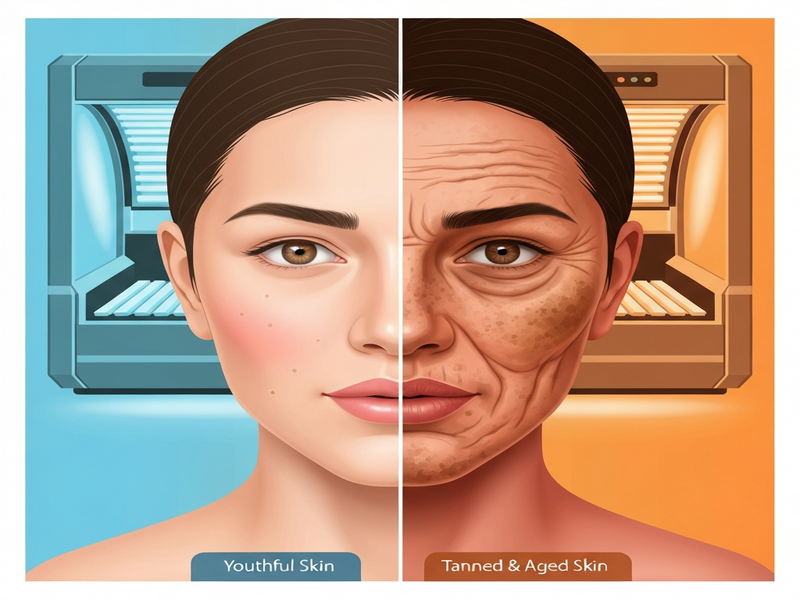
Source: UCSF – Indoor tanning makes youthful skin much older at the genetic level