

- Updated: February 22, 2026
- 4 min read
HTC’s Decline: Lessons from a Fallen Smartphone Giant
Why HTC’s Smartphone Empire Is Fading: A Deep‑Dive Analysis
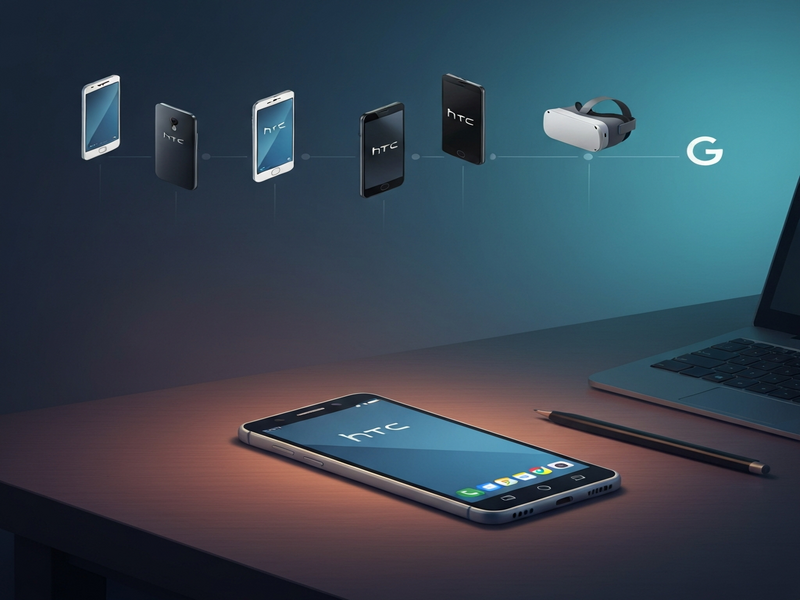
HTC’s decline is the result of a perfect storm of missed product differentiation, weak branding, aggressive competition from Chinese manufacturers, and a strategic pivot toward virtual‑reality hardware that left its smartphone line under‑invested.
Introduction – The Rise and Sudden Fall
Tech enthusiasts and industry analysts have watched HTC transform from a pioneering Android champion into a marginal player in the smartphone market. The story is more than a simple sales dip; it’s a cautionary tale about how rapid market shifts can erode even the most innovative brands.
For a concise timeline, see the Android Police report that first highlighted the alarming HTC video showing dwindling shelf‑space in major retail chains.
From Trailblazer to Troubled: HTC’s Trajectory
HTC earned its reputation in the early 2010s by delivering sleek designs, high‑resolution displays, and the first commercially successful Android handset. The HTC One (M7) and later the One M8 set design standards that competitors scrambled to copy.
However, by 2014 the company’s market share began to slip. Below is a MECE‑styled snapshot of the key phases:
- Early Success (2008‑2012): First Android phone, rapid growth, strong brand loyalty.
- Peak & Plateau (2012‑2014): Flagship One series, but sales plateau as Samsung and Apple dominate.
- Decline Phase (2015‑2019): Over‑crowded product line, insufficient differentiation, rising Chinese competition.
- Strategic Pivot (2020‑Present): Shift to VR (HTC Vive) and niche smartphones, but no major market rebound.
Key Factors Behind the Decline
1. Lack of Differentiation
While HTC’s early devices stood out for their build quality, later models offered incremental upgrades that were easily matched—or out‑performed—by cheaper Chinese rivals such as Xiaomi, Oppo, and Realme.
2. Weak Marketing & Brand Positioning
Competitors poured billions into global ad campaigns. HTC’s marketing budget paled in comparison, resulting in low consumer awareness for new releases.
3. Product Strategy Missteps
HTC released multiple variants of the same flagship within a single year, confusing shoppers and diluting inventory. The HTC video from early 2024 shows empty shelves where the One series once dominated.
4. Financial Constraints
Consecutive quarterly losses forced cost‑cutting, including layoffs and the sale of its smartphone design team to Google in 2017. This infusion helped short‑term cash flow but signaled a retreat from core smartphone innovation.
5. Strategic Shift to VR
HTC’s investment in the Enterprise AI platform by UBOS and the Vive ecosystem diverted R&D resources away from phones, leaving the smartphone division under‑resourced.
“HTC’s brand equity is still strong among enthusiasts, but without a clear product roadmap, that equity cannot translate into sales.” – Industry analyst, 2023
Current Market Position & Future Outlook
As of 2024, HTC holds less than 1% of global smartphone shipments. The company now focuses on niche markets—gaming phones, limited‑edition collaborations, and enterprise‑grade devices.
Opportunities for a Comeback
- AI‑Driven Differentiation: Leveraging AI SEO Analyzer or AI Video Generator could embed intelligent features directly into the UI.
- Partnerships with AI Platforms: Integrating AI Chatbot template or GPT‑Powered Telegram Bot could create a unique “smart assistant” experience.
- Targeted Marketing via AI Agents: The AI marketing agents can automate hyper‑personalized campaigns, a tactic HTC has historically missed.
Risks to Watch
Even with AI‑enhanced features, HTC must overcome entrenched consumer perceptions and the price advantage of Chinese manufacturers. Failure to secure a clear value proposition could keep the brand in a perpetual niche.
Conclusion – Lessons for the Wider Tech Ecosystem
HTC’s decline underscores the importance of continuous innovation, strategic branding, and agile product roadmaps. Companies that ignore these fundamentals risk becoming footnotes in tech history.
If you’re a startup or SMB looking to avoid similar pitfalls, explore how the UBOS for startups and UBOS solutions for SMBs can accelerate product development with low‑code tools, AI integrations, and rapid prototyping.
Ready to experiment with AI‑powered templates? Check out the UBOS templates for quick start, including the AI Image Generator and the AI Email Marketing suite.
Stay ahead of the curve—whether you’re analyzing smartphone market trends or building the next AI‑enhanced device—by leveraging the UBOS platform overview and its powerful Workflow automation studio.
Andrii Bidochko
CTO UBOS
Andrii Bidochko is an AI entrepreneur and researcher focused on AI agents, reinforcement learning, and autonomous systems. He writes about the technologies shaping the future of machine intelligence, from frontier models and agent architectures to real-world AI applications.