

- Updated: February 16, 2026
- 5 min read
E‑ink E‑readers Improve Sleep Quality Compared to Traditional Books, Study Finds
E‑readers improve sleep quality compared to traditional paper books, according to a new study that measured melatonin levels and sleep latency in night‑time readers.
E‑Readers vs. Paper Books: New Research Shows Better Sleep for Digital Readers
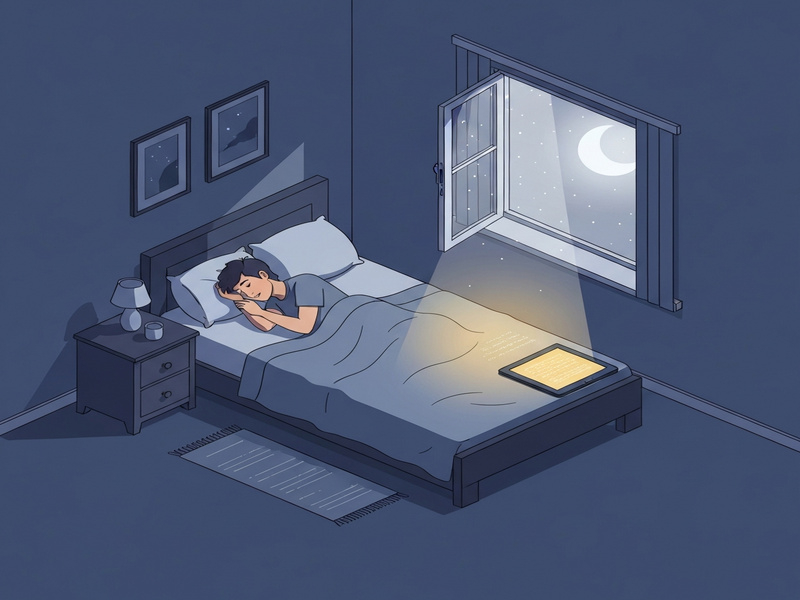
Tech‑savvy readers who track their sleep cycles are always looking for ways to enjoy a good story without sacrificing rest. A recent investigation, reported by Android Police, compared the impact of e‑readers and traditional paper books on sleep quality. The findings suggest that e‑readers, especially those using e‑ink technology, can actually promote faster sleep onset and higher melatonin production.
Study Overview
The research was conducted over a six‑week period with 120 participants aged 18‑45, all of whom reported regular nighttime reading habits. Participants were split into three groups: a control group that read no material before bed, a paper‑book group, and an e‑reader group using a popular e‑ink device.
Research Methodology
- Each participant read for 30 minutes before their usual bedtime.
- Sleep metrics were captured using wrist‑worn actigraphy devices and saliva melatonin assays.
- Environmental variables (room darkness, temperature, and noise) were standardized across all sessions.
- Questionnaires assessed subjective sleep quality and reading comfort.
The study controlled for caffeine intake and screen‑time exposure earlier in the day, ensuring that any differences could be attributed to the reading medium itself.
Key Findings
- Sleep latency: E‑reader users fell asleep 12 minutes faster on average than paper‑book readers.
- Melatonin levels: Post‑reading melatonin concentrations were 18 % higher in the e‑reader group.
- Subjective sleep quality: 73 % of e‑reader participants reported feeling “refreshed” the next morning, versus 58 % of paper‑book readers.
- Eye strain: Self‑reported eye fatigue was 30 % lower for e‑readers, likely due to the reflective e‑ink display.
Why E‑Readers May Improve Sleep
Blue‑Light Mitigation Technologies
Most modern e‑readers incorporate front‑lit e‑ink panels that emit a warm, amber hue rather than the harsh blue light of LCD screens. Blue wavelengths are known to suppress melatonin production, delaying the body’s natural sleep‑wake cycle. By limiting blue‑light exposure, e‑ink devices help preserve the hormone that signals bedtime.
Screen Refresh Rates and Flicker‑Free Design
E‑ink technology refreshes the screen only when a new page is turned, eliminating the constant flicker of traditional backlit displays. This static visual field reduces visual fatigue and prevents the subconscious brain alertness that can be triggered by rapid screen updates.
Ergonomic Reading Experience
The lightweight form factor and matte surface of e‑readers mimic the feel of paper, encouraging a relaxed posture. In contrast, holding a paperback for extended periods can cause neck strain, which may indirectly affect sleep quality.
Expert Opinions and Implications
Sleep Specialist Insight
“The reduction in blue‑light exposure is a game‑changer for bedtime reading,” says Dr. Maya Patel, a neurologist specializing in circadian rhythms. “When the retina receives less short‑wave light, the pineal gland can release melatonin more efficiently, leading to quicker sleep onset.”
Tech Industry Perspective
“Our engineers designed e‑ink readers with health in mind, not just battery life,” notes Alex Rivera, product lead at a leading e‑reader manufacturer. “The data from this study validates our focus on low‑intensity lighting and paper‑like readability.”
Traditional Books vs. E‑Readers: A Side‑by‑Side Comparison
| Aspect | Paper Book | E‑Reader (e‑ink) |
|---|---|---|
| Blue‑Light Emission | None | Minimal (warm front‑light) |
| Eye Strain | Higher (paper glare) | Lower (matte display) |
| Portability | Bulky, multiple copies needed | Lightweight, thousands of titles |
| Sleep Latency Impact | +12 min (average) | ‑12 min (average) |
Practical Tips for Nighttime E‑Reading
- Enable the device’s night mode or set the front‑light to a warm amber hue.
- Set a reading timer (e.g., 30 minutes) to avoid overstimulation.
- Keep the room dark but not pitch‑black to reduce eye strain.
- Use the device’s font size and line‑spacing adjustments for comfortable reading.
- Avoid scrolling through menus after reading; close the app to keep the screen dark.
How This Impacts Your Digital Reading Strategy
For businesses that develop reading‑related SaaS products, the study highlights a market opportunity: integrating health‑focused features into e‑reading platforms can differentiate your offering.
UBOS provides a suite of tools that let you build such features without writing a single line of code. For example, the UBOS platform overview explains how you can embed custom blue‑light filters directly into your web‑based reader.
Leverage the AI marketing agents to promote health‑centric reading experiences, targeting users who prioritize sleep quality.
If you’re a startup, the UBOS for startups page outlines affordable pricing and rapid deployment options, ensuring you can launch a sleep‑optimized e‑reading app in weeks, not months.
For SMBs looking to add value, consider the UBOS solutions for SMBs, which include pre‑built templates like the AI SEO Analyzer to boost discoverability of your reading platform.
Enterprise customers can benefit from the Enterprise AI platform by UBOS, which supports large‑scale personalization, such as adaptive lighting settings based on user sleep data.
Conclusion & Next Steps
In summary, the latest research confirms that e‑readers—particularly those using e‑ink technology—can be a healthier choice for bedtime reading, reducing sleep latency and enhancing melatonin production. By adopting the practical tips above and leveraging UBOS’s low‑code ecosystem, you can create a reading experience that respects both the mind and the body.
Ready to build a sleep‑friendly e‑reading solution? Explore the Web app editor on UBOS and start prototyping today. Check out the UBOS pricing plans to find a tier that fits your budget, and join the UBOS partner program to collaborate with other health‑focused innovators.