

- Updated: March 6, 2025
- 4 min read
Christie’s AI Art Auction Surpasses Expectations, Sparking Debate
Christie’s AI Art Auction: A Milestone in the Intersection of Art and Technology
The advent of artificial intelligence (AI) has revolutionized various industries, and the art world is no exception. Recently, Christie’s, a renowned auction house, held an AI art auction that not only captivated the art community but also sparked a significant debate about the role of technology in art creation. This auction is a testament to the evolving landscape of art, where traditional boundaries are being challenged by technological advancements.
AI Art Auction: A Groundbreaking Event
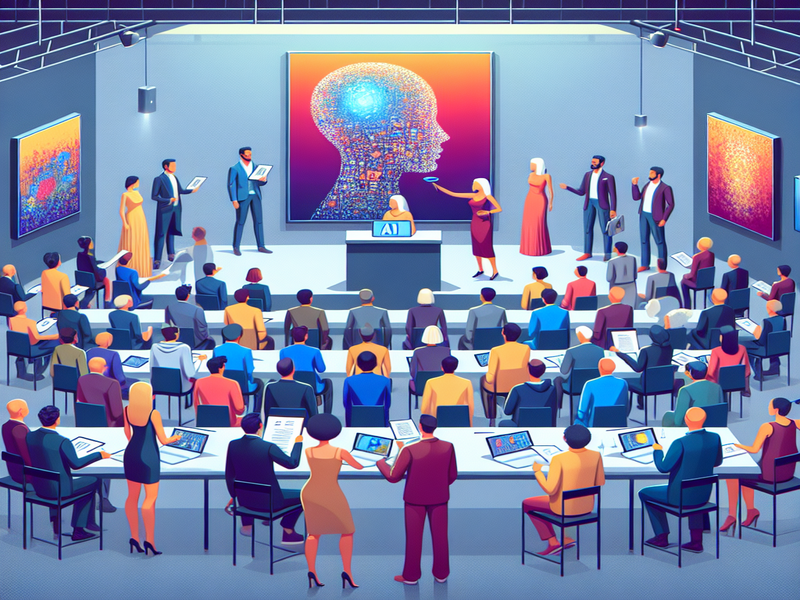
Christie’s AI art auction was a landmark event, drawing attention from art enthusiasts and technology aficionados alike. The auction exceeded expectations, generating over $700,000 in sales. This remarkable outcome underscores the growing interest in AI-generated art and its potential to redefine the art market. The auction featured works created using sophisticated algorithms, showcasing the unique blend of creativity and technology.
Controversy Surrounding AI-Generated Art
Despite the success of the auction, it was not without controversy. Many artists and critics have raised concerns about the use of AI in art creation, arguing that it exploits copyrighted work and challenges traditional notions of authorship. The debate centers around whether AI-generated art can truly be considered original and how it fits into the existing legal frameworks for intellectual property.
Furthermore, the ethical implications of AI in art cannot be ignored. As AI technology continues to advance, the line between human and machine creativity becomes increasingly blurred. This raises questions about the value of human creativity and the role of artists in a world where machines can produce art.
Ethical and Legal Debates in AI Art
The ethical and legal debates surrounding AI-generated art are complex and multifaceted. On one hand, AI has the potential to democratize art creation, allowing more people to engage in artistic expression. On the other hand, it poses challenges to traditional notions of authorship and ownership.
Legal experts are grappling with questions about copyright and intellectual property rights for AI-generated works. Currently, most legal systems do not recognize AI as an author, which complicates the attribution of rights. This legal ambiguity has led to calls for updated regulations that address the unique challenges posed by AI in the art world.
Broader Implications of AI in Art and Technology
The implications of AI in art extend beyond the confines of the art world. The integration of AI into creative processes is part of a broader trend of technological innovation that is reshaping industries across the globe. AI is not only transforming how art is created but also how it is consumed, distributed, and valued.
For instance, AI-powered platforms are enabling artists to reach new audiences and monetize their work in innovative ways. This democratization of art access has the potential to disrupt traditional art markets and create new opportunities for artists and collectors alike.
Moreover, the use of AI in art is a reflection of its increasing role in various sectors, including marketing, finance, and healthcare. Companies are leveraging AI to enhance efficiency, drive innovation, and create value. The Enterprise AI platform by UBOS is one such example, offering businesses the tools to harness the power of AI for growth and transformation.
Conclusion: Embracing the Future of Art and Technology
The Christie’s AI art auction marks a significant milestone in the intersection of art and technology. It highlights the potential of AI to redefine the boundaries of creativity and challenge traditional notions of art. As the debate around AI-generated art continues, it is essential for stakeholders to engage in meaningful discussions about the ethical and legal implications of this technology.
For those interested in exploring the impact of AI on various industries, the UBOS homepage offers a wealth of resources and insights. From Telegram integration on UBOS to OpenAI ChatGPT integration, UBOS is at the forefront of AI innovation, providing solutions that empower businesses to thrive in an AI-driven world.
As we navigate the evolving landscape of art and technology, it is crucial to remain informed and engaged. By understanding the broader implications of AI, we can better appreciate its transformative potential and embrace the opportunities it presents.
For more information on how AI is revolutionizing various sectors, visit our UBOS platform overview. Stay ahead of the curve and discover how AI can enhance your business and creative endeavors.
Andrii Bidochko
CTO UBOS
Andrii Bidochko is an AI entrepreneur and researcher focused on AI agents, reinforcement learning, and autonomous systems. He writes about the technologies shaping the future of machine intelligence, from frontier models and agent architectures to real-world AI applications.