

- Updated: January 18, 2026
- 5 min read
Asus RTX 5070 Ti Supply Shortage Explained: Memory Shortages, PR Confusion, and Market Impact
Asus has confirmed that the RTX 5070 Ti is **not** discontinued, but ongoing memory shortages mean the card will remain hard to find on retail shelves.
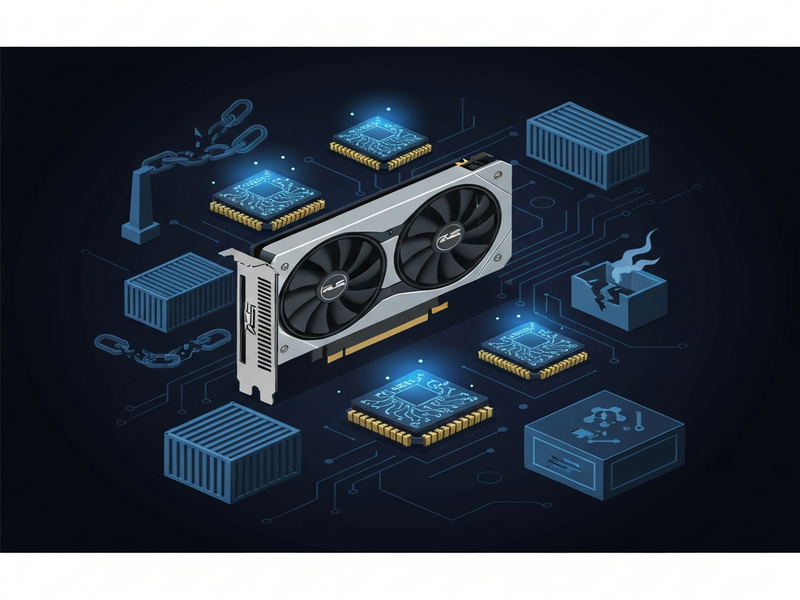
Asus RTX 5070 Ti Supply Shortage: What Happened, Why It Matters, and What’s Next
Tech‑savvy gamers and PC builders have been scrambling for the new Asus RTX 5070 Ti since its launch, only to encounter empty shelves and vague statements from the manufacturer. The confusion began when Asus appeared to announce an end‑of‑life (EOL) for the model, only to reverse the claim days later, blaming “incomplete information” from its own PR team. The core issue? A global memory shortage that is throttling production across the entire GPU supply chain.
Initial Claim: Asus Said It Was Winding Down Production
In early January 2026, the popular YouTube channel Hardware Unboxed reported that Asus had told them the RTX 5070 Ti (and the RTX 5060 Ti 16 GB) were being “wound down” due to severe supply constraints. The channel quoted an Asus PR representative who said the models were “designated as end‑of‑life.” This sparked a wave of speculation among enthusiasts, who feared the card would disappear from the market entirely.
Asus Clarifies: No Discontinuation, Just Limited Availability
Within a week, Asus issued a formal statement that directly contradicted the earlier message:
“The GeForce RTX 5070 Ti and GeForce RTX 5060 Ti 16 GB have not been discontinued or designated as end‑of‑life (EOL). Asus has no plans to stop selling these models.”
The company emphasized that the perceived shortage was a result of “fluctuations in memory supply,” not a strategic product retirement. Nvidia, the GPU designer, also confirmed that it continues to ship the RTX 5070 Ti silicon to its partners.
Why the Shortage? Memory Constraints and PR Missteps
Two primary factors explain the ongoing scarcity:
- Global DRAM and NAND shortages: The semiconductor industry is still feeling the aftershocks of the 2023‑2024 memory crunch, which has driven up prices and limited the amount of GDDR6X chips available for high‑end GPUs.
- Incomplete internal communication: Asus admitted that its PR team provided “incomplete information” to media outlets, leading to the contradictory statements that fueled market panic.
Impact on Consumers and the Broader GPU Market
For gamers and creators, the shortage translates into three concrete challenges:
- Higher street prices: Retailers who manage to secure inventory often list the RTX 5070 Ti at a premium of 20‑30% above MSRP.
- Longer wait times: Pre‑order queues can stretch weeks, and many online stores show “out of stock” messages indefinitely.
- Shift to alternative GPUs: Some buyers are opting for the RTX 5060 Ti or AMD’s competing Radeon 7900 XT, which currently enjoy better availability.
These dynamics ripple through the entire GPU market trends landscape, influencing pricing strategies, resale markets, and even the launch cadence of future graphics cards.
Timeline of the Asus RTX 5070 Ti Confusion
| Date | Event |
|---|---|
| Jan 5, 2026 | Hardware Unboxed receives “EOL” statement from Asus PR. |
| Jan 7, 2026 | Video published confirming RTX 5070 Ti “winding down.” |
| Jan 9, 2026 | Nvidia confirms continued production of all GeForce SKUs. |
| Jan 11, 2026 | Asus releases clarification: no discontinuation, only limited supply. |
| Jan 13, 2026 | Retailers report sporadic stock; prices rise. |
The GPU Supply‑Chain Bottleneck: A Deeper Look
Memory shortages are not isolated to Asus. The entire GPU supply chain is constrained by:
- Limited fab capacity for GDDR6X chips, primarily located in Taiwan and South Korea.
- Increased demand from AI workloads, which consume large volumes of high‑bandwidth memory.
- Logistical challenges, including shipping delays and higher freight costs post‑pandemic.
These pressures are reflected in the Asus graphics cards portfolio, where several models have seen production throttles.
Practical Tips for Buyers Facing the Shortage
If you’re in the market for an RTX 5070 Ti, consider the following strategies:
- Set up stock alerts: Use tools like NowInStock to receive instant notifications.
- Explore refurbished units: Certified refurbished cards often come with warranties and can be a cost‑effective alternative.
- Bundle with other components: Some retailers offer discounts when you purchase a GPU alongside a CPU or motherboard.
- Consider next‑gen alternatives: Keep an eye on Nvidia’s upcoming releases; early‑adopter pricing may be more favorable.
Outlook: When Will the RTX 5070 Ti Stabilize?
Analysts predict that memory supply will gradually improve by Q4 2026 as new fab lines come online and demand from AI workloads stabilizes. However, the recovery timeline is uncertain, and short‑term volatility is likely to persist.
In the meantime, Asus’s public stance—“no production halt, but limited availability”—suggests that the card will continue to trickle into the market, albeit at premium prices. Consumers who can tolerate higher costs or wait for restocks will eventually secure the GPU, while others may pivot to more readily available alternatives.
For a detailed chronology and direct quotes from Asus and Nvidia, see the original Verge article.
Conclusion: Patience and Informed Buying Are Key
The Asus RTX 5070 Ti remains a powerful option for 4K gaming and AI‑enhanced workloads, but its availability is currently hampered by a global memory shortage and a brief PR miscommunication. By staying informed—through reliable sources like the GPU market trends analysis and the Asus graphics cards overview—buyers can navigate the scarcity, avoid overpaying, and plan purchases around expected supply improvements later in the year.
Looking for AI‑powered tools to monitor hardware stock or automate your purchasing workflow? Explore the UBOS platform for customizable alerts, AI‑driven market analysis, and more.