

- Updated: March 15, 2026
- 6 min read
Aether OS: Decentralized Browser‑OS Redefines Web Experience
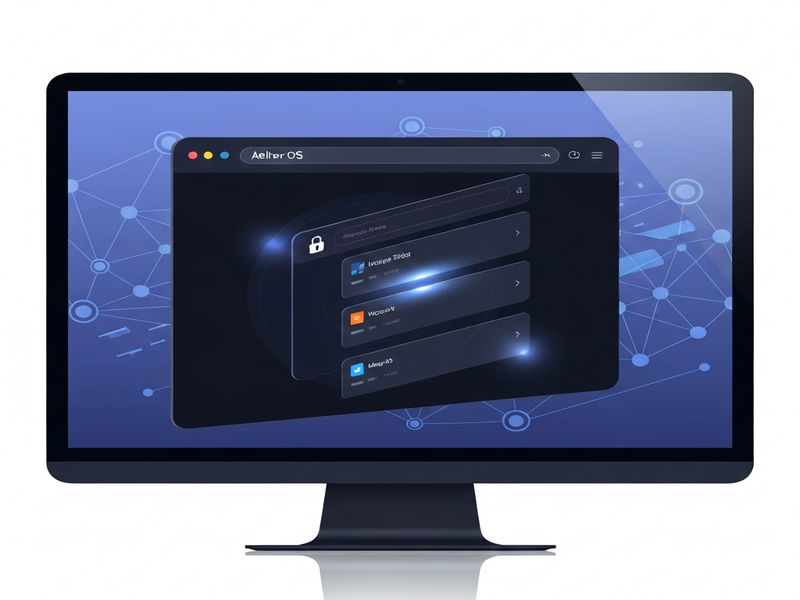
Aether OS is a decentralized, browser‑native operating system built on the AT Protocol that lets you run a full desktop environment, complete with apps and social features, directly inside a web browser.
What Is Aether OS?
Aether OS reimagines the traditional operating system by moving the entire desktop stack into the browser. Powered by the AT Protocol, it connects seamlessly to Bluesky and other decentralized identity services, turning every browser tab into a persistent, cloud‑backed workspace.
Browser‑Native Desktop Experience
Unlike conventional browsers that merely render web pages, Aether OS delivers a self‑contained desktop with 42 pre‑installed applications ranging from text editors to a rudimentary DAW and video editor. The environment feels like a lightweight OS, yet it lives entirely on the web.
Core App Categories
- Productivity – markdown editor, task manager, calendar.
- Creative – chiptune tracker, video editor, image viewer.
- Social – Bluesky client, micro‑blogging hub, community feeds.
- Utilities – file manager, terminal emulator, settings panel.
Technical Highlights
- Runs on WebAssembly for near‑native performance.
- State is stored on the AT Protocol, enabling cross‑device continuity.
- Open‑source UI components built with Tailwind CSS.
- Zero‑install – just open the URL and the OS loads.
Key Privacy and Decentralization Benefits
Privacy is a cornerstone of Aether OS. By leveraging the AT Protocol’s decentralized storage, user data is not locked behind a single corporate silo.
- Data Ownership: All files and settings are stored on the user’s AT Protocol identity, not on a proprietary server.
- End‑to‑End Transparency: The codebase is publicly auditable, allowing the community to verify that no hidden telemetry exists.
- Permission‑Free Model: While this means everything is publicly visible by default, it also eliminates opaque permission prompts that plague traditional OSes.
- Resilience: Because the OS lives in the browser, it is immune to hardware failures and can be accessed from any device with a modern browser.
How Aether OS Stacks Up Against Mainstream Browsers
To understand Aether OS’s niche, compare it with the three dominant browsers: Chrome, Safari, and Edge.
| Feature | Aether OS | Chrome | Safari | Edge |
|---|---|---|---|---|
| Desktop Environment | Full OS with 42 apps | Tab‑based UI only | Tab‑based UI only | Tab‑based UI only |
| Decentralized Storage | AT Protocol (public) | Google Drive (private) | iCloud (private) | OneDrive (private) |
| Privacy Model | No hidden telemetry | Extensive data collection | Apple‑centric tracking | Microsoft telemetry |
| Cross‑Device Sync | Protocol‑based, instant | Google account sync | Apple ID sync | Microsoft account sync |
| Extensibility | WebAssembly apps, community templates | Chrome extensions | Safari extensions | Edge extensions |
Significance for the Web3 Ecosystem
Web3 thrives on decentralization, user sovereignty, and open standards. Aether OS embodies these principles by turning the browser into a full‑stack, protocol‑driven environment.
- Identity Unification: By tying the OS to a Bluesky/AT Protocol identity, users can carry their digital persona across dApps without repetitive logins.
- Composable Apps: Developers can publish WebAssembly modules to the AT Protocol marketplace, allowing anyone to add new functionality to the OS instantly.
- Lowered Entry Barriers: No installation required means newcomers can experience a Web3‑first OS with a single click, accelerating adoption.
- Data Portability: Since all state lives on a public ledger, migrating to another Web3 platform is a matter of moving the identifier, not exporting files.
Expert Insight from The Verge
“Aether OS puts a full‑fledged desktop in your browser that ties directly into the AT Protocol… It’s impractical sure, but fun.” – Terrence O’Brien, The Verge
The Verge’s description captures both the novelty and the current rough‑edge nature of the project. While the OS is still in alpha, its ambition to merge a desktop experience with decentralized identity is a bold step toward a more open internet.
Further Reading and Related UBOS Solutions
UBOS, a leading AI‑driven platform, offers several tools that complement the decentralized vision of Aether OS. Below are some resources you might explore:
UBOS platform overview
Learn how UBOS integrates AI agents, workflow automation, and low‑code development into a single cloud‑native suite.
AI marketing agents
Deploy autonomous agents that can analyze market trends, generate copy, and even run ad campaigns—all from a browser.
Workflow automation studio
Build no‑code automations that can interact with decentralized APIs, perfect for extending Aether OS functionality.
Web app editor on UBOS
Create custom WebAssembly modules that can be dropped into Aether OS’s app marketplace.
UBOS templates for quick start
Kick‑start projects with pre‑built templates, including a “Decentralized Dashboard” that mirrors Aether OS’s UI.
Enterprise AI platform by UBOS
Scale the same AI capabilities to large organizations while maintaining the privacy‑first ethos of Aether OS.
UBOS pricing plans
Explore flexible pricing that fits startups, SMBs, and enterprises looking to adopt decentralized tools.
UBOS portfolio examples
See real‑world deployments where AI and decentralized tech intersect, similar to Aether OS’s use‑case.
Template Marketplace Highlights for Developers
UBOS’s marketplace offers ready‑made AI‑enhanced templates that can be integrated into Aether OS or any Web3 project.
- AI SEO Analyzer – Optimize decentralized sites without leaving the browser.
- AI Article Copywriter – Generate content for blogs hosted on IPFS.
- AI Video Generator – Create promotional videos that can be stored on decentralized storage.
- AI Chatbot template – Deploy a conversational agent that runs entirely in the browser.
- GPT-Powered Telegram Bot – Bridge Aether OS notifications to Telegram channels.
External Reference
For the original reporting and additional context, read the full Verge article: Aether OS browser at Protocol – The Verge.
Conclusion: Why Aether OS Matters
Aether OS pushes the boundaries of what a browser can do, turning it into a full‑featured, privacy‑first operating system anchored in the AT Protocol. While still in alpha, its blend of decentralized identity, WebAssembly performance, and a rich app ecosystem signals a future where the line between “web” and “desktop” blurs. For tech enthusiasts, early adopters, and developers eager to experiment with Web3, Aether OS offers a sandbox that is both daring and functional.
If you’re curious about building on top of decentralized platforms or want to explore AI‑driven tools that complement this vision, dive into UBOS’s suite of solutions and templates. The convergence of AI, low‑code development, and decentralized browsers like Aether OS could redefine how we think about personal computing in the next decade.
Andrii Bidochko
CTO UBOS
Andrii Bidochko is an AI entrepreneur and researcher focused on AI agents, reinforcement learning, and autonomous systems. He writes about the technologies shaping the future of machine intelligence, from frontier models and agent architectures to real-world AI applications.