

- Updated: April 2, 2026
- 2 min read
Kintsugi’s Depression‑Detecting AI Shuts Down Amid FDA Hurdles – Implications for Mental‑Health Technology
Kintsugi’s Depression‑Detecting AI Shuts Down Amid FDA Hurdles – Implications for Mental‑Health Technology
Earlier this year, Kintsugi, a San Francisco‑based clinical‑AI startup, announced the shutdown of its voice‑based depression‑detection platform after failing to secure FDA De Novo clearance. The company’s founders have now open‑sourced most of the technology, sparking a broader debate about the regulatory pathway for iterative AI medical devices.
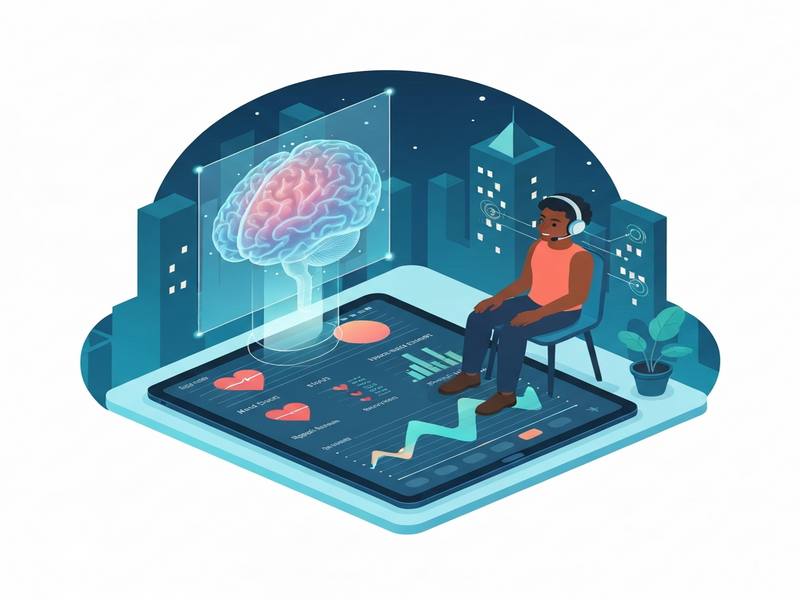
The Kintsugi system listened to patients’ speech patterns during telehealth visits, extracting acoustic biomarkers that could indicate depressive symptoms. While the approach showed promise in early trials, the FDA deemed the device a “high‑risk” medical product and required a more rigorous validation process than the startup could afford. With cash reserves depleted and no clear regulatory route, Kintsugi announced its closure in the original Verge story.
In a candid blog post, the founders highlighted two key concerns:
- Misuse vs. Under‑use: Open‑sourcing the model could enable developers to create unregulated tools that may misinterpret mental‑health signals, but it also allows researchers to improve the technology under proper oversight.
- Regulatory Mismatch: The current FDA framework is designed for static medical devices, not for AI systems that evolve with new data. The founders argue that a more flexible, iterative approval pathway is needed.
Beyond the primary product, Kintsugi released a side‑project that detects synthetic voices—a capability that could help combat deep‑fake audio scams in telemedicine.
Industry experts see Kintsugi’s story as a cautionary tale for AI‑driven mental‑health startups. As UBOS’s AI‑in‑Healthcare hub notes, balancing innovation with patient safety requires clear guidelines that keep pace with rapid algorithmic advances.
While Kintsugi’s platform is no longer commercially available, its open‑source code may serve as a foundation for future research, provided that developers adhere to ethical standards and collaborate with regulators.
For more insights on AI regulation and mental‑health technology, explore our related articles:
Andrii Bidochko
CTO UBOS
Andrii Bidochko is an AI entrepreneur and researcher focused on AI agents, reinforcement learning, and autonomous systems. He writes about the technologies shaping the future of machine intelligence, from frontier models and agent architectures to real-world AI applications.