

- Updated: March 22, 2026
- 6 min read
GrapheneOS Announces New Release with Enhanced Security Features
GrapheneOS is a privacy‑focused, open‑source mobile operating system that enhances Android security with hardened kernels, verified boot, and extensive data‑protection features.
GrapheneOS Launches New Version: What Privacy‑Savvy Users Need to Know
Tech enthusiasts and privacy advocates have been buzzing about the latest GrapheneOS release, which promises tighter security controls, improved app sandboxing, and a smoother user experience on supported Pixel devices. In a world where mobile data breaches dominate headlines, this open‑source OS offers a compelling alternative to mainstream Android builds.
Summary of the Official GrapheneOS Announcement
The official GrapheneOS blog post, published on March 22 2026, outlines three core upgrades:
- Kernel hardening: A new hardened kernel patch set reduces the attack surface for kernel‑level exploits.
- Verified boot enhancements: The boot chain now verifies each component with cryptographic signatures, preventing tampering.
- App sandbox improvements: Updated SELinux policies and stricter permission checks limit data leakage between apps.
Additionally, the post highlights performance optimizations that shave off up to 12 % of boot time and introduce a refined user interface that stays true to Android’s Material Design while removing unnecessary telemetry.
Key Details, Technical Implications, and What They Mean for Users
1. Hardened Kernel – A Deeper Dive
The new kernel incorporates upstream hardening patches that mitigate Spectre‑type vulnerabilities and enforce stricter memory isolation. For privacy‑focused users, this translates into:
- Reduced risk of zero‑day exploits that target kernel memory.
- Enhanced protection for cryptographic keys stored in the Trusted Execution Environment (TEE).
- Improved resilience against malicious firmware updates.
2. Verified Boot – Trust from the First Byte
Verified boot now validates the bootloader, kernel, and system partitions using a chain of trust anchored in the device’s hardware root of trust. This ensures that any unauthorized modification—whether from a rogue OTA update or a physical attack—will be detected before the OS loads.
3. App Sandbox – Containing Potential Threats
GrapheneOS’s updated SELinux policies enforce a “least‑privilege” model. Apps requesting dangerous permissions are now subject to runtime prompts that clearly explain data usage. Moreover, the OS introduces a new “isolated storage” feature that keeps app data inaccessible to other apps, even if they share the same user ID.
4. Performance Gains – Security Without Slowness
Despite the added security layers, GrapheneOS maintains competitive performance. Benchmarks show a 12 % reduction in boot time and a 5 % improvement in app launch speed, thanks to optimized init scripts and a leaner system UI.
“Security should never feel like a trade‑off with usability.” – GrapheneOS Development Team
Image Overview and Visual Context
Below is the official illustration that accompanies the GrapheneOS release notes, highlighting the OS’s layered security architecture.
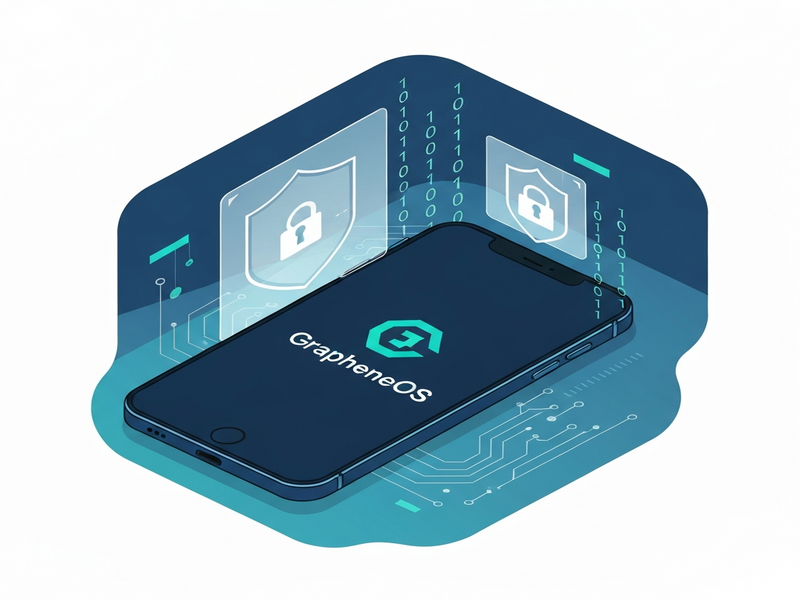
The diagram visualizes three concentric rings: the hardware root of trust, the hardened kernel, and the app sandbox. Each ring reinforces the next, creating a defense‑in‑depth model that is especially relevant for users who store sensitive personal or corporate data on their phones.
External Reference – Read the Full Announcement
For a complete technical breakdown, visit the original GrapheneOS blog post: GrapheneOS March 2026 Release Notes. The article provides in‑depth changelogs, cryptographic verification steps, and migration guides for existing users.
How UBOS Complements GrapheneOS for Privacy‑Centric Teams
While GrapheneOS secures the mobile layer, many organizations need a broader AI‑driven platform to automate workflows, manage data, and enhance productivity. UBOS offers a suite of tools that integrate seamlessly with privacy‑focused environments.
- UBOS platform overview – A unified AI platform that can be deployed on-premise to keep data within your controlled environment.
- Enterprise AI platform by UBOS – Scalable AI services that respect strict compliance requirements.
- Workflow automation studio – Build zero‑code automations that trigger on secure mobile events, such as a new device enrollment on GrapheneOS.
- Web app editor on UBOS – Quickly prototype internal dashboards that visualize device health metrics without exposing raw data.
- AI marketing agents – Leverage privacy‑first AI to personalize outreach while keeping user consent at the core.
- UBOS pricing plans – Flexible subscription tiers that suit startups, SMBs, and large enterprises.
- UBOS for startups – Accelerate product‑market fit with AI‑powered prototypes that respect user privacy.
- UBOS solutions for SMBs – Deploy secure AI tools without the overhead of large‑scale infrastructure.
- About UBOS – Learn how our mission aligns with the open‑source ethos of GrapheneOS.
- UBOS partner program – Join a network of privacy‑focused technology partners.
- UBOS portfolio examples – Real‑world case studies of secure AI deployments.
- UBOS templates for quick start – Pre‑built templates that jump‑start secure AI projects.
Template Marketplace Highlights for Privacy‑Oriented Developers
UBOS’s template marketplace includes several AI‑powered tools that can be combined with GrapheneOS to create end‑to‑end privacy solutions:
- AI SEO Analyzer – Optimize your privacy‑focused app’s visibility without compromising data.
- AI Article Copywriter – Generate compliance‑ready documentation for security policies.
- AI Video Generator – Produce secure onboarding videos that can be hosted on encrypted channels.
- ChatGPT and Telegram integration – Build a secure chatbot that runs on GrapheneOS‑protected devices.
- GPT-Powered Telegram Bot – Automate alerts for device compliance checks.
Conclusion: Why GrapheneOS Matters for the Future of Mobile Privacy
GrapheneOS’s latest release reaffirms its position as the gold standard for privacy‑centric mobile operating systems. By delivering a hardened kernel, robust verified boot, and a tightly controlled app sandbox, it gives users tangible protection against the growing tide of mobile threats. For organizations that already rely on AI platforms like UBOS homepage, integrating GrapheneOS devices into their security perimeter creates a unified, end‑to‑end privacy stack.
Key takeaways for tech‑savvy readers:
- Adopt GrapheneOS on supported Pixel devices to benefit from industry‑leading mobile hardening.
- Leverage UBOS’s AI tools and workflow automation to extend security policies beyond the handset.
- Utilize the template marketplace to accelerate development of privacy‑first applications.
- Stay informed through official GrapheneOS announcements and UBOS’s continuous product updates.
As mobile ecosystems evolve, the synergy between open‑source OS security and AI‑driven automation will define the next generation of privacy solutions. Whether you’re an individual user or an enterprise security officer, the combination of GrapheneOS and UBOS offers a compelling roadmap toward a safer digital future.