

- Updated: March 15, 2026
- 7 min read
Intel Optane Technology: Architecture, Performance Benefits, and Future Roadmap
Intel Optane is a high‑performance storage technology that combines ultra‑low latency, byte‑addressable memory, and exceptional endurance, built on the revolutionary 3D XPoint architecture.
Why Intel Optane Is Making Headlines Again
Even years after its debut, Intel Optane continues to attract attention from data‑center architects and performance‑hungry developers. The technology’s unique blend of DRAM‑like speed and SSD‑like persistence sets it apart from conventional NAND flash. For a deeper dive into the original analysis, see the original blog post that sparked this renewed interest.
Overview of Intel Optane and 3D XPoint Technology
Intel Optane is powered by 3D XPoint, a non‑volatile memory (NVM) technology co‑developed by Intel and Micron. Unlike NAND flash, which stores data in blocks of 4 KB, 3D XPoint stores data at the byte level, eliminating the need for erase‑before‑write cycles. This fundamental difference translates into:
- Latency as low as 10‑25 µs for random reads, rivaling DRAM.
- Endurance measured in hundreds of DWPD (Drive Writes Per Day), far exceeding typical SSDs.
- Consistent performance under sustained write loads, thanks to its byte‑addressable nature.
These attributes make Optane an ideal candidate for workloads that demand both speed and reliability, such as high‑frequency trading, real‑time analytics, and virtual desktop infrastructure (VDI).
Key Specifications and Performance Benefits
| Model | Capacity | PCIe Version | Sequential Read | Sequential Write | 4K Read IOPS | 4K Write IOPS | DWPD |
|---|---|---|---|---|---|---|---|
| Intel Optane SSD P4800X | 375 GB – 1.5 TB | PCIe 3.0 (NVMe) | 2,500 MB/s | 2,200 MB/s | 550,000 | 500,000 | 30 DWPD |
| Intel Optane SSD P5800X | 400 GB – 3.2 TB | PCIe 4.0 (NVMe) | 7,200 MB/s | 6,200 MB/s | 1,500,000 | 1,500,000 | 100 DWPD |
Beyond raw numbers, the real advantage lies in how these specs affect real‑world workloads:
- Ultra‑low latency: 4 KB random reads complete in ~25 µs, delivering up to 3× faster response than top‑tier NAND SSDs.
- Write consistency: Optane maintains peak write throughput even when the drive is near full, eliminating the “write cliff” seen in NAND devices.
- Endurance: With up to 100 DWPD, the P5800X can sustain petabytes of writes per year—ideal for write‑intensive databases.
Use‑Case Scenarios: Enterprise, Workstation, and Consumer
Intel Optane’s characteristics map directly to several high‑impact scenarios:
Enterprise Data Centers
For latency‑sensitive applications such as:
- High‑frequency trading platforms where microseconds matter.
- In‑memory databases (e.g., SAP HANA, Redis) that benefit from persistent, DRAM‑like storage.
- Virtualization clusters using vSAN or VMware vSphere, where Optane can serve as a cache or write‑back tier.
Workstations & Content Creation
Creative professionals handling massive 4K/8K video files, 3D rendering, or AI model training experience:
- Instant project load times—no more waiting for large assets to appear.
- Reduced render queue bottlenecks thanks to consistent write speeds.
Consumer Enthusiasts
While cost remains a barrier, power users who build “gaming‑plus‑productivity” rigs can leverage Optane as a boot drive for sub‑second OS launch and rapid game level streaming.
Intel Optane vs. Traditional NAND SSDs
To understand why Optane stands out, compare its core metrics against a leading NAND SSD (e.g., Samsung PM983):
- Latency: Optane ~25 µs vs. NAND 90‑110 µs for 4 KB random reads.
- Endurance: Optane up to 100 DWPD vs. NAND typically 3‑5 DWPD for enterprise models.
- Write Consistency: Optane delivers steady throughput; NAND performance drops when the drive’s free space falls below 20 %.
- Power‑Loss Protection: Optane includes hardware‑based PLP (Enhanced Power Loss Data Protection), whereas many NAND drives rely on firmware solutions.
These differences make Optane the preferred choice for workloads where latency, durability, and data integrity are non‑negotiable.
Intel’s Roadmap: What’s Next for Optane?
Although Intel announced the cessation of new Optane SSD development in July 2022, the product line remains available, and the technology lives on in two key areas:
- Optane Persistent Memory (PMEM) NV‑DIMMs: Launched alongside the 4th‑gen Sapphire Rapids CPUs, these modules provide byte‑addressable memory that sits between DRAM and storage, enabling massive in‑memory databases.
- Integration with emerging standards: Intel is positioning Optane as a foundational component for Compute Express Link (CXL), a high‑speed interconnect that will allow CPUs, GPUs, and accelerators to share persistent memory pools.
For organizations planning long‑term infrastructure, the continued availability of Optane SSDs and the growing ecosystem around CXL suggest that the technology will remain relevant for at least the next 3‑5 years.
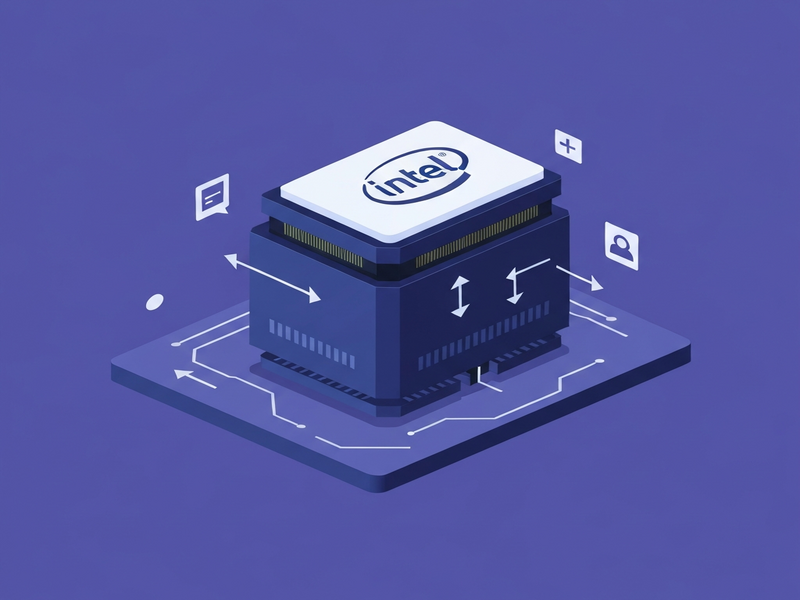
Figure 1: Architectural layers of Intel Optane 3D XPoint and its impact on latency and endurance.
How UBOS Leverages Cutting‑Edge Storage for AI‑Driven Apps
At UBOS homepage, we empower developers to build AI‑enhanced solutions that can tap into high‑performance storage like Optane. Our UBOS platform overview includes native support for persistent memory, allowing data‑intensive models to stay resident in memory without costly data shuffling.
Startups looking for rapid prototyping can benefit from the UBOS templates for quick start, many of which already integrate with OpenAI ChatGPT integration and can be paired with Optane‑backed databases for sub‑second response times.
Our AI marketing agents use real‑time analytics that thrive on low‑latency storage. When combined with Chroma DB integration, they can perform vector searches on massive embedding collections without hitting I/O bottlenecks.
For SMBs, the UBOS solutions for SMBs provide a cost‑effective path to adopt enterprise‑grade storage, while the Enterprise AI platform by UBOS scales the same architecture for larger data‑center deployments.
Developers who need a visual interface can use the Web app editor on UBOS to drag‑and‑drop components that interact with Optane‑backed services. Automation workflows are built in the Workflow automation studio, enabling event‑driven triggers that react instantly to data changes stored on high‑performance media.
Pricing transparency is essential; explore the UBOS pricing plans to see how you can align costs with the value of Optane‑accelerated workloads.
Need inspiration? Browse our UBOS portfolio examples where clients have already deployed Optane‑compatible AI pipelines for real‑time fraud detection, video analytics, and large‑scale recommendation engines.
For developers focused on content generation, the AI Article Copywriter template demonstrates how to feed large language models with low‑latency data streams, while the AI SEO Analyzer showcases rapid keyword extraction powered by Optane‑backed indexing.
Voice‑first experiences benefit from the ElevenLabs AI voice integration, and chat‑centric bots can be deployed via the AI Chatbot template or the GPT‑Powered Telegram Bot, both of which can store session state on Optane for instant recall.
Finally, for teams that need to analyze multimedia, the Video AI Chat Bot and AI Image Generator leverage high‑throughput storage to process frames and pixels without latency spikes.
Conclusion: Intel Optane’s Role in the Future of High‑Performance Computing
Intel Optane delivers a rare combination of DRAM‑level latency, NAND‑level persistence, and enterprise‑grade endurance. For data‑center architects, AI engineers, and performance‑focused developers, it remains a compelling option for workloads that cannot tolerate the variability of traditional SSDs.
When paired with a flexible development platform like UBOS, organizations can unlock the full potential of Optane—building AI pipelines, real‑time analytics, and next‑generation applications that stay ahead of the competition.
Ready to accelerate your AI workloads with Optane‑grade performance? Explore our pricing plans, start a free trial, and let our AI marketing agents guide you through the first steps.
Andrii Bidochko
CTO UBOS
Andrii Bidochko is an AI entrepreneur and researcher focused on AI agents, reinforcement learning, and autonomous systems. He writes about the technologies shaping the future of machine intelligence, from frontier models and agent architectures to real-world AI applications.