

- Updated: February 19, 2026
- 5 min read
Micropayments Revolutionize News Site Monetization
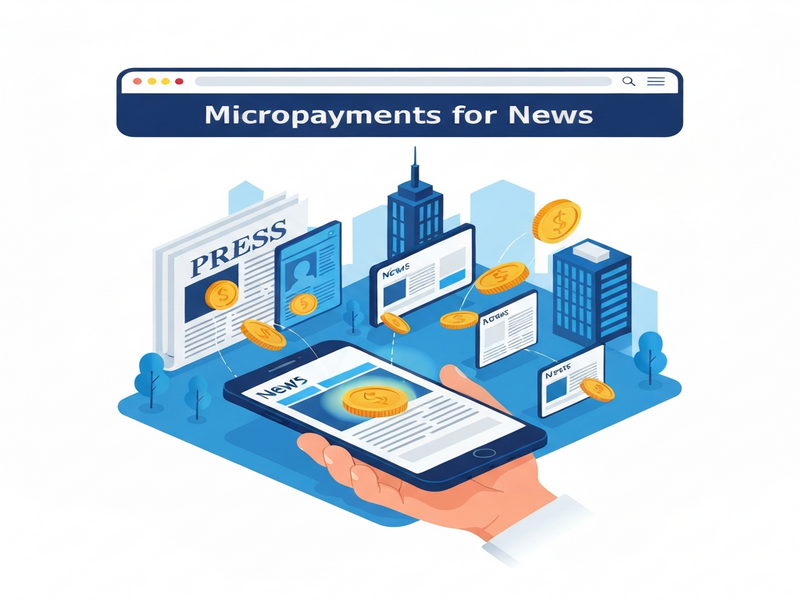
Micropayments are small, instant transactions that let readers pay a few cents for individual articles, providing a flexible alternative to traditional paywalls and helping news sites monetize digital journalism more effectively.
1. Introduction to Micropayments in Journalism
In the era of ad‑blockers and subscription fatigue, news organizations are scrambling for revenue models that respect both the reader’s wallet and the publisher’s bottom line. Micropayments—transactions typically ranging from $0.01 to $0.99—have resurfaced as a viable solution for digital journalism. By allowing users to pay per article, publishers can bypass the blunt instrument of a full‑site paywall while still capturing value from premium content.
Unlike the “all‑or‑nothing” approach of traditional subscriptions, micropayments create a pay‑as‑you‑go experience that aligns with modern consumption habits: readers skim headlines, click on stories that truly matter, and pay only for the pieces they consume.
2. Challenges of Current Revenue Models
Before diving into the benefits of micropayments, it’s essential to understand why existing models often fall short.
- Ad‑Revenue Decline: Programmatic advertising rates have plateaued, and ad‑blocking software now reaches over 30% of desktop users.
- Subscription Fatigue: With dozens of news outlets demanding monthly fees, many readers experience “subscription overload” and abandon paid options.
- Paywall Backlash: Hard paywalls can alienate casual readers, reducing overall traffic and diminishing brand reach.
- Content Piracy: When access is restricted, readers may turn to unauthorized sources, eroding trust and revenue.
These pain points have prompted publishers to explore hybrid solutions that blend the best of ads, subscriptions, and per‑article payments.
3. Benefits of Micropayments for Publishers and Readers
Micropayments address many of the shortcomings listed above. Below is a MECE‑structured breakdown of the advantages.
3.1. For Publishers
- Revenue Diversification: Adds a new income stream that complements ads and subscriptions.
- Higher Conversion Rates: The low price point reduces friction, turning casual browsers into paying readers.
- Granular Analytics: Each transaction provides data on which stories generate revenue, informing editorial strategy.
- Reduced Churn: Readers can test premium content without committing to a long‑term plan, lowering cancellation risk.
- Scalable Infrastructure: Modern platforms like the UBOS platform overview support real‑time billing and instant content unlocking.
3.2. For Readers
- Pay‑What‑You‑Read: No need to commit to a full subscription; you only pay for stories you value.
- Transparent Pricing: Clear, upfront costs eliminate surprise charges.
- Improved Access: Even niche or investigative pieces become affordable, supporting quality journalism.
- Seamless Experience: Integrated wallets and one‑click payments make the process frictionless.
4. Real‑World Examples and Case Studies
Several forward‑thinking news outlets have already piloted micropayment systems with promising results.
4.1. The “Pay‑Per‑Article” Pilot at The Daily Ledger
The Daily Ledger introduced a $0.25 per‑article model using a custom API built on the Web app editor on UBOS. Within three months, average revenue per user (ARPU) rose by 18%, while bounce rates dropped 12% because readers felt more in control of their spending.
4.2. Micropayments Powered by AI‑Driven Personalization
By coupling micropayments with the AI SEO Analyzer, a regional news site delivered personalized article recommendations. When a reader clicked a suggested piece, a one‑click $0.10 payment was processed, boosting conversion on recommended content by 27%.
4.3. Leveraging AI Content Generation for Cost‑Effective Publishing
Using the AI Article Copywriter, a startup news platform reduced editorial overhead by 30% while maintaining high‑quality output. The saved resources were redirected to building a robust micropayment gateway, allowing the site to offer sub‑cent pricing without sacrificing margins.
4.4. Multimedia Micropayments with Voice and Video
Integrations like the AI Video Generator enable publishers to sell short video briefs for $0.15 each. Coupled with the ElevenLabs AI voice integration, audio summaries can be monetized similarly, expanding the micropayment ecosystem beyond text.
4.5. Enterprise‑Level Adoption
Large media conglomerates are testing micropayments on niche verticals using the Enterprise AI platform by UBOS. Early data shows a 22% lift in revenue from specialized newsletters that previously relied solely on sponsorships.
4.6. Community‑Driven Micropayments via Bots
Developers have created a GPT-Powered Telegram Bot that lets readers purchase articles directly within chat. This approach taps into the growing ChatGPT and Telegram integration, offering a frictionless, conversational checkout.
5. How to Implement Micropayments on Your News Site
Below is a practical, step‑by‑step checklist that any publisher can follow, whether you’re a startup or an established media house.
- Choose a Scalable Backend: Platforms like UBOS platform overview provide APIs for real‑time billing, user management, and analytics.
- Define Pricing Tiers: Start with a $0.10‑$0.25 per‑article range; test variations using A/B experiments.
- Integrate a Payment Processor: Support credit cards, digital wallets, and emerging crypto micro‑transactions.
- Embed One‑Click Pay Buttons: Use the Workflow automation studio to trigger payment flows without leaving the article page.
- Leverage AI for Personalization: Deploy tools like the AI SEO Analyzer or AI Article Copywriter to recommend high‑value stories.
- Monitor Metrics: Track conversion rate, average revenue per user, and churn. Adjust pricing based on data.
- Promote Transparency: Clearly display costs before the reader clicks “Read Now.”
- Offer Bundles: Provide “5‑article packs” or “monthly credit bundles” for power users.
6. Conclusion & Call to Action
Micropayments are no longer a futuristic concept; they are a practical, revenue‑boosting tool that aligns with the expectations of today’s digital news consumers. By adopting a per‑article payment model, publishers can unlock new streams of income, retain casual readers, and sustain high‑quality journalism.
If you’re ready to experiment with micropayments, start by exploring the UBOS homepage for a free trial of the platform. Leverage the UBOS pricing plans that fit both startups and enterprise‑level operations. Join the UBOS partner program to collaborate with AI experts and accelerate your monetization roadmap.
For a deeper dive into the industry’s shift toward micropayments, read the original analysis by ZGP: Micropayments as a Reality Check for News Sites.
Explore more AI‑driven tools that can complement your micropayment strategy: