

- Updated: February 18, 2026
- 6 min read
Toyota C‑HR EV 2026: Electric Hatchback Debuts at $38,135 – Specs, Trims, and Market Impact
The Toyota C‑HR EV launches in the United States at a base price of $38,135, available in SE and XSE trims, delivering up to 287 miles of EPA‑estimated range and a 0‑60 mph time of 4.9 seconds.
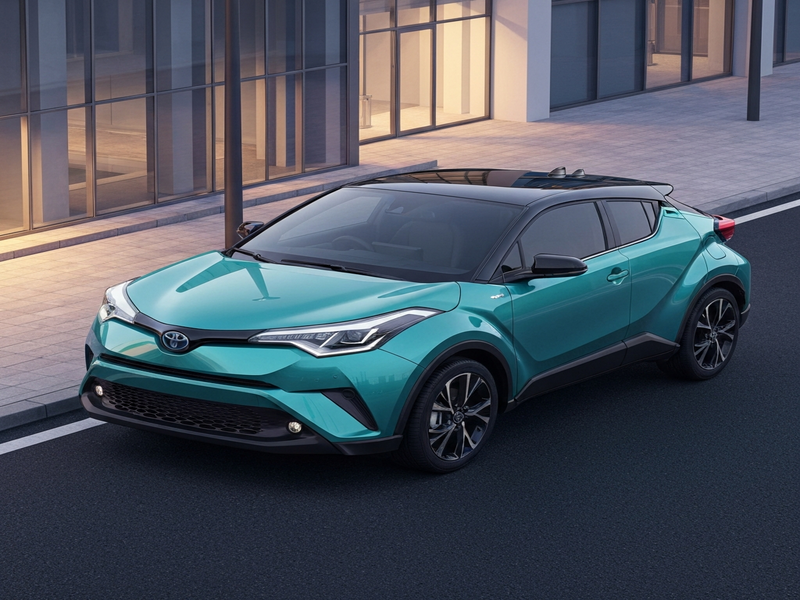
Toyota C‑HR EV: Launch Overview
Toyota’s newest electric hatchback, the C‑HR EV, entered the market in March 2026 with a starting price of $38,135 (including destination). The model expands Toyota’s rapidly growing electric lineup, which now includes the three‑row Highlander EV and the bZ Woodland wagon. While the price sits above early expectations of a sub‑$30k entry point, it remains competitive against the industry average transaction price for EVs, which hovers around $55,000.
Detailed Specifications & Trim Levels
Built on Toyota’s dedicated e‑TNGA platform, the C‑HR EV combines a low centre‑of‑gravity chassis with a dual‑motor all‑wheel‑drive system. Below is a concise breakdown of the two trims currently offered.
| Feature | SE Trim | XSE Trim |
|---|---|---|
| Base Price | $38,135 | $41,790 |
| Battery Capacity | 74.7 kWh (Li‑ion) | 74.7 kWh (Li‑ion) |
| Horsepower | 338 hp | 338 hp |
| 0‑60 mph | 4.9 seconds | 4.9 seconds |
| EPA Range | Up to 287 miles | Up to 273 miles |
| Wheels | 18‑inch alloy | 20‑inch sport |
| Charging (10‑80 %) | ≈30 minutes (DC fast) | ≈30 minutes (DC fast) |
| Infotainment | 14‑inch touchscreen, wireless Apple CarPlay & Android Auto | 14‑inch touchscreen, wireless Apple CarPlay & Android Auto |
| Cargo Capacity | 59.5 cu ft (rear seats folded) | 59.5 cu ft (rear seats folded) |
Both trims feature a NACS charging port, granting access to Tesla’s Supercharger network—a strategic move that broadens charging convenience for early adopters.
Market Context & Competitor Comparison
The compact electric SUV segment is crowded, with models such as the Hyundai Kona Electric, Kia Niro EV, and the Chevrolet Bolt EUV vying for attention. Below is a quick side‑by‑side comparison of key metrics.
- Hyundai Kona Electric: Starts at $34,500, 258 mi range, 201 hp.
- Kia Niro EV: Starts at $36,200, 274 mi range, 210 hp.
- Chevrolet Bolt EUV: Starts at $33,900, 247 mi range, 200 hp.
- Toyota C‑HR EV: Starts at $38,135, up to 287 mi range, 338 hp.
While the C‑HR EV’s price is modestly higher, its performance envelope—particularly the 338 hp output and sub‑5‑second sprint—places it in a more premium niche. Moreover, Toyota’s reputation for reliability and its expanding dealer network provide a tangible advantage over many pure‑play EV startups.
Why the C‑HR EV Stands Out
- Dual‑Motor AWD as Standard – Most rivals offer AWD only as an option.
- Fast‑Charging Capability – 30‑minute 10‑80 % charge rivals the best in class.
- Integrated NACS Port – Direct access to Tesla’s Supercharger network without adapters.
- Spacious Interior – 59.5 cu ft cargo space rivals larger crossovers.
Pricing Analysis & Value Proposition
At $38,135, the C‑HR EV undercuts the average EV transaction price by roughly $16,000, yet it exceeds the $30k “budget EV” threshold that many analysts projected for 2026. The pricing strategy appears intentional: Toyota is positioning the C‑HR EV as a high‑performance, mainstream‑ready alternative that still feels affordable for middle‑class buyers.
When evaluating total cost of ownership (TCO), several factors tilt the balance in Toyota’s favour:
- Lower Maintenance – Fewer moving parts than ICE counterparts.
- Fuel Savings – Assuming an average electricity cost of $0.13/kWh, the C‑HR EV’s 74.7 kWh battery translates to roughly $9.70 per full charge, compared with $1,200‑$1,500 annual gasoline expenses for a comparable ICE hatchback.
- Incentives – Federal tax credit of up to $7,500 (subject to phase‑out) and potential state rebates.
- Resale Value – Toyota’s historic resale strength suggests a healthier residual value than many newer EV brands.
For tech‑savvy buyers who value performance, fast charging, and a robust dealer network, the C‑HR EV delivers a compelling proposition that justifies its $3k‑$4k premium over the nearest competitor.
Read the Original Announcement
For the full press release and additional commentary, visit the original article on The Verge. The piece provides deeper insight into Toyota’s strategic roadmap and early test‑drive impressions.
Related UBOS Resources for EV Enthusiasts
While you consider the C‑HR EV, you might also explore how AI can streamline your EV‑related workflows, from market analysis to content creation.
- Discover the UBOS platform overview and learn how its low‑code environment can accelerate automotive data dashboards.
- Leverage AI marketing agents to craft targeted campaigns for EV launches.
- Compare pricing structures with the UBOS pricing plans that suit startups and established firms alike.
- Explore the UBOS for startups guide for building rapid prototypes of EV‑related SaaS tools.
- Read about UBOS solutions for SMBs that need scalable analytics without heavy IT overhead.
- Enterprise‑grade capabilities are detailed in the Enterprise AI platform by UBOS, perfect for large automotive OEMs.
- Design custom dashboards with the Web app editor on UBOS, ideal for visualizing battery performance data.
- Automate data pipelines using the Workflow automation studio, streamlining everything from dealer inventory feeds to charging‑station maps.
- Browse the UBOS portfolio examples for inspiration on EV‑focused applications.
- Kick‑start your project with ready‑made UBOS templates for quick start, including a “Vehicle Pricing Analyzer”.
- Try the AI SEO Analyzer to ensure your EV‑related content ranks as well as this article.
- Generate compelling product copy with the AI Article Copywriter template.
- Create engaging video teasers using the AI Video Generator – perfect for showcasing the C‑HR EV’s design.
- Enhance your social media outreach with the AI LinkedIn Post Optimization tool.
- For developers, the GPT‑Powered Telegram Bot can deliver real‑time EV pricing alerts.
SEO Meta Description (150‑160 characters)
Toyota C‑HR EV launches at $38,135 with SE and XSE trims, up to 287 mi range, dual‑motor AWD, and fast charging. See specs, pricing analysis, and competitor comparison.
Conclusion & Next Steps
The Toyota C‑HR EV marks a decisive step in the automaker’s electrification strategy, delivering a blend of performance, practicality, and a price point that challenges the status quo. For tech‑savvy buyers, the vehicle’s fast‑charging capability, standard AWD, and integration with the NACS network make it a future‑proof choice.
If you’re ready to dive deeper into EV market analytics, explore our About UBOS page to learn how our AI‑driven platform can empower your automotive data projects. Join the UBOS partner program today and get early access to tools that help you stay ahead in the rapidly evolving electric vehicle landscape.
Stay informed, stay charged, and watch the road ahead with confidence.