

- Updated: February 14, 2026
- 6 min read
Samsung Galaxy Z Fold Wide‑Body Animation Leak Reveals One UI 9 Design
The leaked animation confirms that Samsung’s upcoming Galaxy Z Fold will feature a new wide‑body design powered by One UI 9, bringing smoother transitions, larger screen real estate, and fresh multitasking capabilities to the foldable smartphone market.
Samsung Galaxy Z Fold Wide‑Body Animation Leak Sparks Fresh Android News
A high‑resolution animation of the next‑generation Samsung Galaxy Z Fold has surfaced online, revealing a striking wide‑body form factor that promises to reshape the foldable experience. The clip, first shared on social media, showcases the device unfolding with a fluid motion that highlights Samsung’s upcoming One UI 9 interface. This leak has ignited excitement among tech‑savvy consumers, developers, and industry analysts eager to see how Samsung will push the boundaries of foldable smartphones.
In this article we break down the animation details, explore the expected One UI 9 features, compare the new design with previous Samsung foldables, and discuss the potential market impact. We’ll also weave in relevant resources from the UBOS homepage to illustrate how AI‑driven platforms can help developers and marketers capitalize on emerging Android trends.
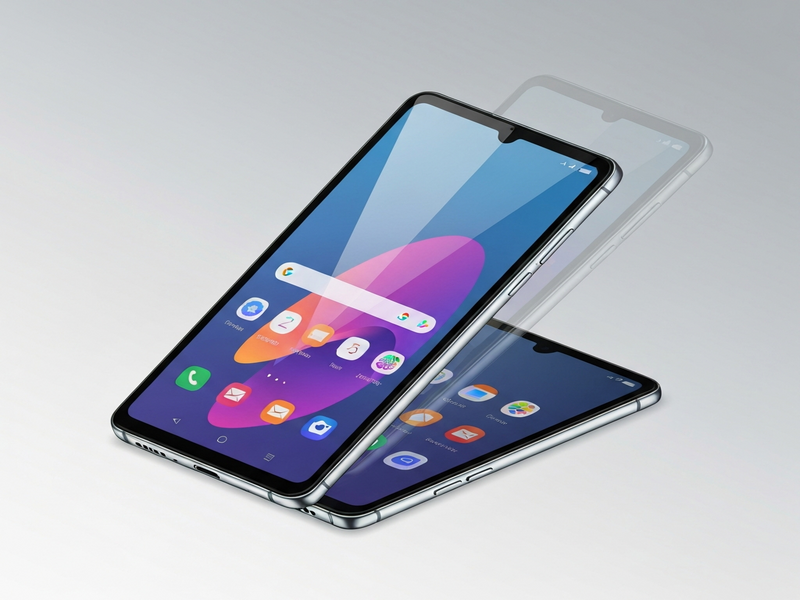
What the Animation Shows: A Close Look
The 8‑second clip begins with the Galaxy Z Fold lying flat, its slim bezels framing a near‑borderless display. As the device folds, the animation emphasizes several key visual cues:
- Wider chassis: The frame appears noticeably broader than the current Z Fold 4, suggesting a larger inner screen that could reach up to 7.6‑inch when unfolded.
- Sleeker hinge: The hinge animation is smoother, hinting at a refined mechanical design that reduces the visible crease.
- Dynamic UI transition: One UI 9’s new animation framework slides icons and widgets seamlessly from the cover screen to the main display, reducing latency.
- Enhanced multitasking: The animation briefly flashes a split‑screen view, implying that Samsung will expand its Multi‑Active Window capabilities.
The visual fidelity of the leak suggests it originates from an internal Samsung build, not a third‑party mock‑up. The color palette aligns with Samsung’s recent “Phantom Black” and “Bora Purple” themes, reinforcing its authenticity.
For developers, this animation offers a preview of the new OpenAI ChatGPT integration possibilities on foldable devices, where AI can adapt UI elements in real time based on screen orientation.
One UI 9: The Software Engine Behind the New Fold
Samsung’s One UI 9 is expected to be the first major Android skin built on Android 14, delivering a host of enhancements tailored for large, flexible displays.
Key Features Anticipated
- Adaptive Layouts: UI components will automatically resize and reposition when the device folds or unfolds, eliminating the need for manual adjustments.
- Improved Edge Panels: Edge panels will now support context‑aware shortcuts that change based on the active app, boosting productivity on the go.
- Native Multi‑Window Enhancements: Users can launch up to four apps simultaneously in a tiled view, a step up from the current dual‑app limit.
- AI‑Powered Recommendations: Integrated AI will suggest apps, files, or actions based on usage patterns, leveraging the AI marketing agents framework for personalized experiences.
One UI 9 also promises tighter integration with Samsung’s ecosystem, including seamless handoff between Galaxy tablets, wearables, and the upcoming wide‑body Z Fold. This synergy aligns with the broader trend of “continuity” that major Android OEMs are pursuing.
When Will It Arrive and What Could It Mean for the Market?
Analysts predict a launch window in the second half of 2026, coinciding with Samsung’s annual About UBOS‑style product unveil events. The timing would place the device ahead of Apple’s rumored foldable iPhone, giving Samsung a strategic advantage.
Potential Market Effects
- Premium Segment Growth: A wider, more refined Z Fold could attract power users and enterprise clients seeking a true laptop‑replacement.
- Developer Incentives: With One UI 9’s new APIs, developers can create richer foldable experiences, boosting the UBOS platform overview for cross‑device AI applications.
- Competitive Pressure: Rivals like Huawei and Xiaomi will need to accelerate their own foldable roadmaps to keep pace.
From a business perspective, the launch could drive demand for AI‑enhanced services. Companies using the Workflow automation studio can automate content generation for new device marketing, while the Web app editor on UBOS enables rapid prototyping of foldable‑optimized web apps.
How the Wide‑Body Z Fold Stacks Up Against Its Predecessors
Samsung’s foldable lineage began with the Galaxy Z Fold 3, followed by the Z Fold 4. The new wide‑body model introduces several differentiators:
| Feature | Z Fold 4 | New Wide‑Body Z Fold |
|---|---|---|
| Unfolded Screen Size | 7.6‑inch | ≈8.1‑inch (estimated) |
| Bezel Width | 2.2 mm | 1.8 mm (reduced) |
| Hinge Mechanism | Flex mode | Refined “Zero‑Gap” hinge |
| Software | One UI 4.1 | One UI 9 (Android 14) |
| AI Integration | Basic Bixby | Deep AI marketing agents & Chroma DB integration |
The wider chassis not only expands the visual canvas but also improves ergonomics, making the device feel more balanced in hand. Coupled with One UI 9’s adaptive UI, the new Z Fold could finally deliver a truly seamless transition between phone and tablet modes.
Opportunities for Developers, Marketers, and Enterprises
The animation leak is more than a visual teaser; it signals a platform shift that developers can leverage. Here are three actionable takeaways:
- Design for Adaptive UI: Use the UBOS templates for quick start to prototype responsive layouts that automatically reflow on fold/unfold events.
- Integrate Generative AI: Pair One UI 9 with the ElevenLabs AI voice integration to create voice‑first experiences that adapt to screen size.
- Monetize Through AI‑Driven Content: Deploy the AI SEO Analyzer or AI Article Copywriter to generate device‑specific marketing copy at scale.
Enterprises can also benefit from the Enterprise AI platform by UBOS, which offers secure, scalable AI services that can be embedded directly into foldable apps for real‑time analytics and personalization.
What’s Next? Stay Informed and Get Ready
If you’re a developer eager to experiment with foldable‑ready AI, explore the UBOS partner program for early access to SDKs and co‑marketing opportunities. For businesses looking to adopt AI‑enhanced workflows, the UBOS pricing plans provide flexible options that scale with your needs.
Read the full details of the leak in the original Android Police story. Keep an eye on our updates for deeper analysis, hands‑on reviews, and exclusive templates that will help you capitalize on the next wave of foldable innovation.
Ready to build the future of foldable apps? Explore UBOS portfolio examples and start prototyping today.
Andrii Bidochko
CTO UBOS
Andrii Bidochko is an AI entrepreneur and researcher focused on AI agents, reinforcement learning, and autonomous systems. He writes about the technologies shaping the future of machine intelligence, from frontier models and agent architectures to real-world AI applications.