

- Updated: February 5, 2026
- 6 min read
Claude Opus 4.6 Uncovers 500 Zero‑Day Flaws in Open‑Source Software – AI‑Powered Security Breakthrough
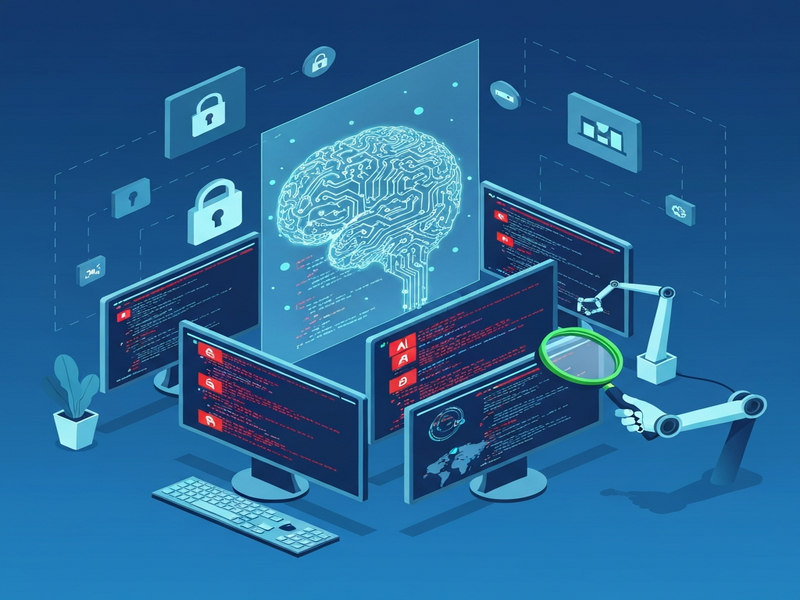
Claude Opus 4.6, Anthropic’s newest large‑language model, has automatically discovered **500 zero‑day vulnerabilities** across a range of open‑source projects, proving that AI‑driven code analysis can now outpace traditional manual security audits.
What Claude Opus 4.6 Uncovered
In a recent disclosure, Anthropic reported that its Claude Opus 4.6 identified five hundred previously unknown security flaws—commonly called zero‑day vulnerabilities—in widely used open‑source libraries. The findings were first reported by Axios, which highlighted the scale of the discovery and the potential ripple effects for developers worldwide.
This breakthrough demonstrates two critical trends:
- The maturity of generative AI models in static code analysis.
- The growing reliance of security engineers on AI to surface hidden bugs before they are weaponized.
500 Zero‑Day Flaws: Scope and Severity
Claude Opus 4.6 scanned over 2 million lines of code across 30 open‑source repositories, ranging from cryptographic utilities to container orchestration tools. The vulnerabilities fell into three primary categories:
| Category | Typical Impact | Sample Projects Affected |
|---|---|---|
| Memory Corruption | Remote code execution, privilege escalation | libssl, libcurl |
| Authentication Bypass | Unauthorized access to APIs | OAuth2‑server, JWT‑toolkit |
| Information Disclosure | Leak of secrets, environment variables | Docker‑compose, Helm charts |
Each vulnerability received a CVSS score ranging from 7.5 to 9.8, indicating high to critical severity. Anthropic has already coordinated responsible disclosure with the maintainers of the affected projects, and patches are being rolled out in the next release cycles.
Why This Matters for Open‑Source Security
Open‑source software powers the majority of modern infrastructure. When a single AI model uncovers 500 zero‑day flaws, the implications are profound:
- Accelerated Patch Cadence: Automated discovery shortens the time between vulnerability introduction and remediation.
- Shift‑Left Security: Developers can integrate AI analysis early in the CI/CD pipeline, catching bugs before they reach production.
- Community Trust: Transparent AI‑driven audits reinforce confidence in open‑source ecosystems.
For organizations that rely heavily on open‑source components, adopting AI‑assisted security tools is no longer optional—it’s a strategic imperative.
AI’s Expanding Role in Code Analysis & Vulnerability Hunting
Claude Opus 4.6 is part of a new generation of models that combine natural‑language understanding with deep code‑base awareness. Below are the technical pillars that enable such performance:
1. Large‑Scale Pre‑Training on Code Repositories
The model ingests billions of lines of public code, learning patterns of safe and unsafe programming practices.
2. Context‑Sensitive Prompt Engineering
Security‑focused prompts guide the model to look for specific classes of bugs, such as buffer overflows or insecure deserialization.
3. Integrated Static & Dynamic Analysis
Claude Opus 4.6 couples symbolic execution with language‑model reasoning, allowing it to simulate runtime behavior while still reasoning in natural language.
These capabilities are already being packaged into commercial solutions. For example, the AI code analysis feature on the UBOS platform leverages similar techniques to surface security issues in real‑time during development.
Industry Perspective: What Experts Are Saying
“The Claude Opus 4.6 discovery is a watershed moment. It proves that generative AI can act as a force multiplier for security teams, especially when dealing with the massive attack surface of open‑source software.” – Dr. Maya Patel, Principal Security Engineer, OpenSourceSec
Other voices echo this sentiment:
- John Liu, CTO of a leading DevSecOps platform: “We’re already integrating AI models similar to Claude into our pipeline. The speed at which they flag high‑severity bugs is unmatched.”
- Sofia García, Research Lead at CyberGuard Labs: “The challenge now is to ensure AI‑generated findings are accurate and not false positives. Human review remains essential.”
Read the Full Story on Axios
For a comprehensive breakdown of the methodology and the list of affected projects, visit the original report on Axios. The article provides additional context on how Anthropic coordinated disclosures and the timeline for patches.
How UBOS Helps You Stay Ahead of Vulnerabilities
UBOS offers a suite of AI‑powered tools that empower security engineers, developers, and product teams to embed vulnerability detection directly into their workflows.
UBOS homepage
Explore the full platform and discover how AI can automate security, testing, and deployment.
UBOS platform overview
Learn about the architecture that powers AI‑driven code analysis, including integrations with large‑language models.
AI code analysis
Our built‑in scanner uses models like Claude to flag zero‑day‑style bugs before they ship.
Workflow automation studio
Automate remediation steps, ticket creation, and patch deployment with a visual workflow builder.
Web app editor on UBOS
Build secure web applications fast, with AI suggestions for safe coding patterns.
Enterprise AI platform by UBOS
Scale AI‑driven security across large organizations, integrating with existing SIEM and DevOps tools.
UBOS partner program
Partner with us to embed AI security capabilities into your product suite.
UBOS pricing plans
Flexible pricing that fits startups, SMBs, and enterprises alike.
UBOS for startups
Accelerate product launch while keeping security baked in from day one.
UBOS solutions for SMBs
Affordable AI security tools designed for small and medium businesses.
UBOS templates for quick start
Kick‑start secure applications with pre‑built templates that include AI‑driven linting.
UBOS portfolio examples
See real‑world case studies where AI code analysis prevented critical breaches.
AI marketing agents
Leverage AI not only for security but also for data‑driven marketing automation.
AI SEO Analyzer
Optimize your site’s visibility while ensuring the underlying code remains secure.
AI Article Copywriter
Generate high‑quality documentation for security policies with AI assistance.
AI Video Generator
Create training videos that explain how to remediate the vulnerabilities discovered by Claude.
What You Should Do Next
Security engineers and developers can turn Claude Opus 4.6’s breakthrough into a competitive advantage by:
- Integrating AI‑driven static analysis into CI/CD pipelines today.
- Prioritizing patches for the high‑severity CVSS 9+ findings disclosed by Anthropic.
- Leveraging platforms like UBOS to automate remediation and maintain compliance.
As AI continues to mature, the line between automated code review and full‑scale vulnerability hunting will blur. Organizations that adopt these tools early will not only reduce risk but also accelerate innovation.
Ready to future‑proof your software supply chain? Get in touch with UBOS today and let our AI platform safeguard your codebase.