

- Updated: February 3, 2026
- 5 min read
Activision Blocks XIM, Cronus Zen, and ReaSnow in Call of Duty with New Input‑Based Detection
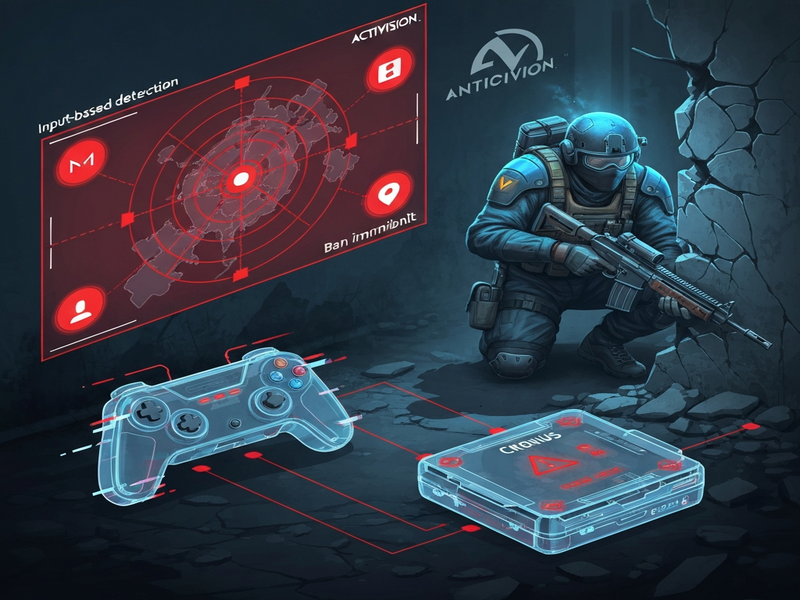
Activision has introduced an input‑based detection system that automatically identifies and bans players using XIM, Cronus Zen, and ReaSnow devices in Call of Duty, marking the latest escalation in the ongoing anti‑cheat war.
What the Verge Report Reveals
The Verge article details Activision’s newest anti‑cheat measures, which shift focus from hardware signatures to the timing and pattern of player inputs. By analyzing micro‑second differences in aim, recoil control, and button presses, the system can flag “machine‑augmented” behavior that exceeds human limits. The rollout coincides with the launch of Season 2 for Call of Duty: Black Ops 7 and will initially affect Ranked Play matches.
Background: The Rise of XIM, Cronus, and ReaSnow
For years, third‑party adapters such as XIM, Cronus Zen, and the newer ReaSnow S1 have given players an edge by translating mouse‑style inputs to console controllers, effectively bypassing built‑in aim‑assist mechanics. While manufacturers market these devices as “accessibility tools,” the gaming community widely regards them as cheating hardware.
- XIM – Allows a controller to mimic mouse movements, delivering pixel‑perfect aim.
- Cronus Zen – Offers macro scripting, rapid fire, and input remapping across multiple platforms.
- ReaSnow S1 – A newer entrant that combines latency reduction with advanced recoil‑control algorithms.
Activision first tackled these devices during the early Warzone era, but the cat‑and‑mouse dynamic persisted as manufacturers released firmware updates to evade detection.
Activision’s New Input‑Based Detection System
Instead of scanning for device signatures, Activision’s updated anti‑cheat engine evaluates three core data streams:
- Input Timing Consistency – Human reaction times vary; bots produce uniform intervals.
- Recoil Pattern Matching – The system compares weapon recoil curves against expected human‑controlled variance.
- Precision Heatmaps – Extremely low deviation from target centers over extended periods signals automation.
These metrics are processed in real‑time on Microsoft Azure’s attestation platform, ensuring that even cloud‑based cheats cannot spoof the data. The approach aligns with Activision’s broader security roadmap, which now mandates TPM 2.0 and Secure Boot for all ranked PC players.
Why Input‑Based Detection Is Harder to Bypass
Because the detection logic lives on the server side, cheat developers cannot simply patch a driver or alter firmware. They would need to simulate human‑like variability—a non‑trivial task that requires sophisticated AI, which in turn raises the cost of cheating dramatically.
Impact on Players and the Gaming Community
For competitive players, the new system promises a cleaner ladder:
- Fairer Ranked Play – Reduced prevalence of “instant‑kill” bots.
- Improved Matchmaking Quality – Skill‑based rankings reflect genuine ability.
- Lower Risk of Account Bans – Legitimate players using standard controllers are less likely to be mistakenly flagged.
However, the rollout also raises concerns:
- False Positives – Highly skilled players with exceptional reflexes may trigger alerts.
- Privacy Questions – Continuous input monitoring sparks debate over data collection.
- Device Market Shift – Manufacturers may pivot to more covert solutions, prompting another wave of detection updates.
Reactions from Cheating‑Device Manufacturers
Both XIM and Cronus Zen have issued statements emphasizing their commitment to “accessibility” and promising firmware updates to comply with Activision’s policies. ReaSnow’s developers remain silent, likely re‑evaluating their product roadmap.
Industry analysts predict a short‑term dip in cheat usage followed by a resurgence of “undetectable” tools that leverage AI‑generated input patterns. This underscores the importance of continuous innovation in anti‑cheat technology.
How UBOS Helps Gamers Stay Informed and Protected
At UBOS homepage, we empower gamers, developers, and esports teams with real‑time intelligence on emerging threats. Our platform offers:
- Live Security Dashboards – Track cheat trends across titles, including Call of Duty.
- Automated Alerts – Receive instant notifications when new anti‑cheat updates are released.
- Integration with Popular Tools – Connect to Telegram integration on UBOS for rapid community updates.
- AI‑Powered Analysis – Leverage OpenAI ChatGPT integration to parse large cheat‑log datasets.
Our UBOS platform overview also includes a Workflow automation studio that lets security teams create custom pipelines for detecting suspicious input patterns, similar to Activision’s server‑side checks.
UBOS Templates for Quick Start
Developers can jump‑start anti‑cheat projects using ready‑made templates such as the AI SEO Analyzer (repurposed for cheat‑log parsing) or the AI Article Copywriter to generate community guides on staying cheat‑free.
Enterprise‑Grade Protection
Large esports organizations can adopt the Enterprise AI platform by UBOS to monitor player behavior across multiple titles, integrate with Chroma DB integration for vector‑based similarity searches, and even add voice alerts via the ElevenLabs AI voice integration.
Broader Implications for Gaming Security
The shift to input‑based detection signals a new era where anti‑cheat solutions will increasingly rely on behavioral analytics, machine learning, and cloud verification. As detailed in our anti‑cheat technology insights, future systems may incorporate:
- Neural‑network models that predict “human‑like” input variance.
- Cross‑title data sharing to identify cheat signatures globally.
- Real‑time player reputation scores that adjust matchmaking dynamically.
What Players Can Do Right Now
While Activision’s new system rolls out, players can protect themselves by:
- Ensuring their hardware complies with official console specifications.
- Keeping game clients and operating systems up to date.
- Monitoring community channels (e.g., ChatGPT and Telegram integration) for the latest cheat alerts.
- Using UBOS’s UBOS templates for quick start to build personal dashboards that flag suspicious activity on their own accounts.
Conclusion & Call‑to‑Action
Activision’s input‑based anti‑cheat system marks a decisive step toward restoring fairness in Call of Duty’s competitive scene. By focusing on the nuances of human input rather than hardware signatures, the company raises the technical bar for cheat developers and offers players a more trustworthy environment.
Stay ahead of the curve with UBOS: explore our pricing plans, join the UBOS partner program, and leverage our AI marketing agents to keep your community informed.
For a deeper dive into the technical details, read the full Verge report and follow our ongoing coverage on UBOS news.