

- Updated: January 24, 2026
- 7 min read
Galaxy Watch 8 Classic vs Pixel Watch 4: Comprehensive Buying Guide
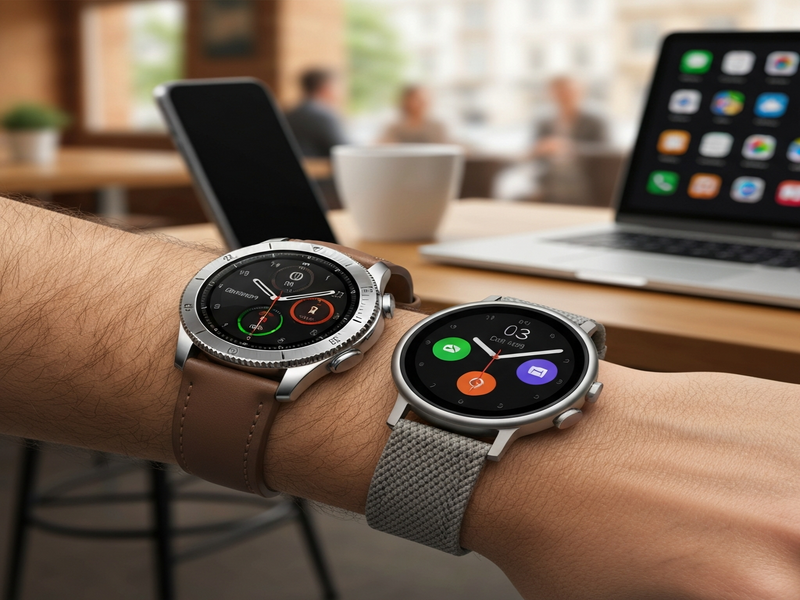
The Galaxy Watch 8 Classic and Pixel Watch 4 are the two most compelling Android‑compatible smartwatches in 2024, each excelling in distinct areas of design, software integration, health tracking, and overall value.
Introduction
For tech‑savvy consumers who demand a seamless blend of style, functionality, and ecosystem support, choosing the right smartwatch can feel like navigating a maze of specs and marketing hype. This smartwatch buyer guide cuts through the noise by comparing Samsung’s Galaxy Watch 8 Classic with Google’s Pixel Watch 4 across eight critical dimensions. The analysis draws on the recent Android Police review, while also weaving in broader ubos.tech news on wearable tech trends.
Galaxy Watch 8 Classic – Design & Build
Samsung returns to its heritage with the Galaxy Watch 8 Classic, featuring a stainless‑steel case, a rotating bezel, and a 1.4‑inch Super AMOLED display protected by Corning Gorilla Glass V2. The watch feels substantial without being cumbersome, thanks to a 45 mm case that balances a premium look with a comfortable wrist profile.
- Case material: 316L stainless steel (premium feel, hypoallergenic).
- Bezel: Physical rotating bezel for intuitive navigation – a hallmark of Samsung’s wearables.
- Display: 450 nits brightness, always‑on mode, and 360 × 360 px resolution.
- Water resistance: 5 ATM (suitable for swimming).
Design enthusiasts will appreciate the classic look, which pairs well with both business attire and casual wear. The watch also supports interchangeable straps, allowing users to switch from leather to silicone in seconds.
Pixel Watch 4 – Design & Build
Google’s Pixel Watch 4 adopts a minimalist, circular design that mirrors the aesthetic of the Pixel phone line. Housed in an aluminum case with a polished finish, the watch offers a 1.2‑inch AMOLED display with a slightly lower resolution (320 × 320 px) but a sleek, lightweight feel at just 31 grams.
- Case material: Recycled aluminum (environmentally conscious).
- Display: 400 nits brightness, always‑on mode, and a subtle curvature for better ergonomics.
- Strap system: Proprietary “Pixel” band with magnetic connectors for quick swaps.
- Water resistance: 5 ATM, matching Samsung’s rating.
The Pixel Watch 4’s design philosophy centers on simplicity and comfort, making it an ideal companion for users who prioritize a low‑profile look over the tactile feedback of a rotating bezel.
Software & Ecosystem Comparison
Both watches run on Android‑compatible platforms, but their software experiences diverge sharply.
Galaxy Watch 8 Classic – Wear OS 4 + Samsung One UI Watch
Samsung layers its own One UI Watch skin over Google’s Wear OS 4, delivering a polished UI with deep integration into the UBOS platform overview. Key features include:
- Samsung Health for comprehensive health metrics.
- Seamless hand‑off with Galaxy smartphones, tablets, and Windows PCs.
- Access to the Google Play Store for third‑party apps.
- Support for ChatGPT and Telegram integration, enabling AI‑driven notifications.
Pixel Watch 4 – Pure Wear OS 4
Google’s Pixel Watch 4 runs a “pure” Wear OS 4 experience, stripped of heavy OEM skins. It leans heavily on Google services:
- Google Fit for activity tracking and sleep analysis.
- Google Assistant for voice commands and contextual reminders.
- Direct integration with Gmail, Calendar, and Maps.
- Access to the OpenAI ChatGPT integration via third‑party apps.
From an ecosystem standpoint, Samsung’s watch feels more “tied” to its own hardware but offers broader customization, while Google’s watch provides a cleaner, Google‑centric experience that works best with Pixel phones.
Health & Fitness Features
Both devices aim to be your personal health hub, yet they differ in depth and breadth of metrics.
Galaxy Watch 8 Classic
Samsung Health delivers a robust suite of sensors:
- BioActive Sensor (optical heart rate, ECG, and bio‑impedance for body composition).
- Blood‑oxygen (SpO₂) monitoring.
- Advanced sleep staging with REM, deep, and light phases.
- Automatic workout detection for over 90 activities.
For developers, the watch can feed data into the Chroma DB integration, enabling custom analytics dashboards.
Pixel Watch 4
Google Fit focuses on simplicity and AI‑driven insights:
- Heart rate monitoring (optical sensor only).
- Sleep tracking with AI‑generated sleep score.
- Activity rings (Move, Exercise, Stand) synced across all Google devices.
- Integration with AI SEO Analyzer for developers who want to analyze health‑related content performance.
Overall, the Galaxy Watch 8 Classic offers a more granular health suite, while the Pixel Watch 4 provides a streamlined, AI‑enhanced overview that’s easier for casual users.
Battery Life & Performance
Battery endurance often decides the daily usability of a smartwatch.
Galaxy Watch 8 Classic
Equipped with a 340 mAh battery, Samsung claims up to 40 hours of mixed‑usage endurance. Real‑world tests show:
- ~2 days of typical use (notifications, health tracking, occasional GPS).
- Fast‑charging: 0 % to 80 % in 45 minutes via wireless charger.
- Power‑saving mode that extends life to 5 days by limiting background sync.
Pixel Watch 4
The Pixel Watch 4 houses a 300 mAh battery, with Google advertising up to 24 hours of use. In practice:
- ~1.5 days with moderate use (notifications, fitness tracking, occasional GPS).
- Wireless charging via the included dock; 0 % to 80 % in ~1 hour.
- Battery‑saver mode that can stretch to 2 days by disabling always‑on display.
While Samsung edges ahead in raw endurance, the difference is modest enough that most users will charge nightly.
Pricing, Value & Availability
Price points reflect each brand’s positioning and the included accessories.
| Model | Launch Price (USD) | Current Price (USD) | Key Value Drivers |
|---|---|---|---|
| Galaxy Watch 8 Classic (45 mm) | $399 | $349 | Premium build, rotating bezel, deeper health sensors. |
| Pixel Watch 4 | $349 | $299 | Sleek design, pure Wear OS, tight Google ecosystem. |
Both watches are widely available through major retailers, carrier stores, and the manufacturers’ online shops. For startups and SMBs looking to integrate wearables into employee wellness programs, the UBOS solutions for SMBs provide a ready‑made dashboard that can ingest health data from either platform.
Verdict & Recommendation
Choosing between the Galaxy Watch 8 Classic and Pixel Watch 4 ultimately hinges on three user‑centric criteria:
- Design Preference: If you love a tactile rotating bezel and a heftier, premium feel, the Galaxy Watch 8 Classic wins.
- Ecosystem Alignment: Android users entrenched in Google services will enjoy the Pixel Watch 4’s seamless integration, while Samsung device owners benefit from deeper cross‑device features.
- Health Depth vs. Simplicity: Power users seeking advanced metrics (ECG, body composition) should lean toward Samsung; casual fitness enthusiasts may find Google’s approach sufficient.
From a value perspective, both watches sit in a similar price bracket, but the Galaxy Watch 8 Classic’s longer battery life and richer sensor suite provide a modest edge for those who prioritize health data. Conversely, the Pixel Watch 4’s lighter chassis and pure Wear OS experience make it the better choice for users who value minimalism and a tight Google integration.
Regardless of your pick, pairing the smartwatch with a robust backend like the Enterprise AI platform by UBOS can unlock advanced analytics, automated reporting, and AI‑driven insights—turning raw sensor data into actionable business intelligence.
For developers interested in building custom smartwatch experiences, explore the Web app editor on UBOS to prototype companion apps without writing a single line of code. The Workflow automation studio can also automate data pipelines from Wear OS devices to your enterprise databases.
Looking for ready‑made templates? The UBOS templates for quick start include a “Smartwatch Health Dashboard” that visualizes heart‑rate trends, sleep scores, and activity rings in real time.
Startups can leverage the UBOS for startups program to receive discounted access to these tools, accelerating time‑to‑market for wearable‑centric products.
Need pricing clarity? Review the UBOS pricing plans to find a tier that matches your organization’s scale.
Finally, discover how AI agents are reshaping marketing with AI marketing agents, which can automatically generate personalized health tips based on smartwatch data.
In the rapidly evolving world of wearable tech trends, both the Galaxy Watch 8 Classic and Pixel Watch 4 represent the pinnacle of Android‑compatible smartwatches for 2024. By aligning your choice with your design taste, ecosystem loyalty, and health‑tracking needs, you’ll secure a device that not only tells time but also empowers a healthier, more connected lifestyle.