

- Updated: January 18, 2026
- 6 min read
Natural Cycles Unveils FDA‑Cleared Birth‑Control Wristband
Natural Cycles has launched a $129.99 wristband that replaces the traditional basal thermometer for its FDA‑cleared birth‑control app, delivering continuous temperature, heart‑rate, and motion data while you sleep.
Natural Cycles Wristband: A New Era for Digital Birth Control
Tech‑savvy health enthusiasts have been waiting for a seamless way to track fertility without juggling separate devices. The latest Natural Cycles wristband promises exactly that—an all‑in‑one wearable that syncs directly with the company’s FDA‑cleared contraceptive algorithm. In a market crowded with smart rings and smartwatches, this dedicated band aims to set a new benchmark for accuracy, convenience, and privacy.
Read the full story on the original Verge article for more background.
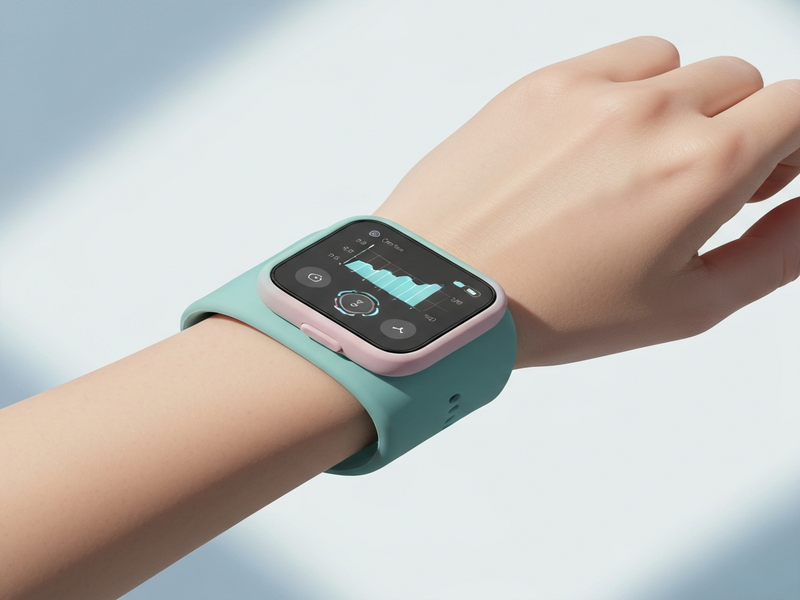
What Is the Natural Cycles Wristband?
The wristband is a lightweight, waterproof device that records three key biometric signals while you sleep:
- Skin temperature (continuous basal temperature)
- Heart‑rate variability (HRV)
- Movement patterns (sleep quality and restlessness)
These data points are transmitted via Bluetooth 5.0 LE to the Natural Cycles mobile app, where the FDA‑cleared algorithm calculates a daily fertility status—“fertile,” “non‑fertile,” or “uncertain.” The wristband eliminates the need for a separate basal thermometer, a manual nightly measurement that many users found cumbersome.
Key Features and FDA Clearance
Natural Cycles received FDA clearance for its algorithm in 2018, a decision that sparked debate but affirmed the app’s failure‑rate‑as‑advertised performance. The new wristband builds on that regulatory foundation with hardware that meets the same safety standards.
Feature Highlights
- Continuous Monitoring: Captures temperature every few minutes, providing a richer data set than a single daily reading.
- Integrated Heart‑Rate & Motion Sensors: Improves algorithmic confidence by correlating temperature spikes with sleep phases.
- 14‑Night Battery Life: One USB‑C charge lasts two weeks, reducing daily charging friction.
- Secure Data Handling: End‑to‑end encryption and pseudonymisation protect user privacy, aligning with GDPR and HIPAA best practices.
- Compatibility: Works alongside Apple Watch, Oura Ring, and newer Samsung Galaxy wearables for users who prefer multi‑device ecosystems.
Pricing and Availability
The wristband retails for $129.99 as a standalone purchase. Existing Natural Cycles subscribers can upgrade for a limited‑time discount of $99.99, effectively bundling the device with the annual plan ($149.99 total). The band ships worldwide from the company’s European fulfillment center and includes a USB‑C charging cable.
For users who already own a basal thermometer (available separately for $14.50), the wristband is optional, not mandatory. Natural Cycles continues to support the thermometer for those who prefer a non‑wearable approach.
Natural Cycles Wristband vs. Traditional Basal Thermometer
| Aspect | Wristband | Basal Thermometer |
|---|---|---|
| Data Capture | Continuous (every few minutes) | Single nightly reading |
| Additional Sensors | Heart‑rate, motion | None |
| User Effort | Set‑and‑forget | Manual measurement each night |
| Battery Life | ~14 nights per charge | No battery (requires disposable probe) |
| Cost (first year) | $279.98 (band + annual plan) | $164.50 (thermometer + annual plan) |
Prices reflect 2026 USD and include standard shipping within the EU.
Market Impact and Expert Opinions
Since its FDA clearance, Natural Cycles has amassed over 1 million active users worldwide. The wristband launch is expected to accelerate adoption among users who were hesitant about manual temperature logging.
“Continuous biometric data reduces the margin of error inherent in single‑point measurements, which could translate into a lower typical‑use failure rate,” says Dr. Lina Mårtensson, a reproductive endocrinologist based in Stockholm.
Privacy advocates remain cautious. The Electronic Frontier Foundation notes that while the device encrypts data, any cloud‑based health service must maintain rigorous access controls. Natural Cycles assures users that data is stored pseudonymously and never sold to third parties.
From a business perspective, the wristband positions Natural Cycles alongside other “digital contraceptives” such as OpenAI ChatGPT integration tools that leverage AI for personalized health insights. The move also aligns with broader trends in health tech where wearables become the primary data source for AI‑driven recommendations.
How the Wristband Fits Into the Growing Health‑Tech Ecosystem
Companies like UBOS homepage are building platforms that let developers embed AI‑powered analytics into wearables. For instance, the UBOS platform overview includes a Workflow automation studio that can ingest continuous sensor streams, apply predictive models, and trigger personalized notifications.
Imagine a future where the Natural Cycles wristband not only tells you your fertility status but also suggests lifestyle adjustments—sleep hygiene tips, stress‑reduction exercises, or diet changes—through an AI marketing agents‑style conversational interface.
Startups can prototype such integrations quickly using the UBOS templates for quick start. The AI SEO Analyzer template, for example, demonstrates how to turn raw data into actionable insights—a pattern that could be mirrored for fertility analytics.
For SMBs looking to add health‑tech services, the UBOS solutions for SMBs provide a cost‑effective stack that includes secure data pipelines, compliance tooling, and a Web app editor on UBOS for custom dashboards.
Enterprises, on the other hand, can leverage the Enterprise AI platform by UBOS to scale biometric analytics across thousands of employees, integrating with existing HR and wellness programs.
Developers interested in voice‑enabled feedback can explore the ElevenLabs AI voice integration, turning raw numbers into spoken health summaries—perfect for hands‑free morning briefings.
All of these capabilities illustrate how a single wearable, like the Natural Cycles wristband, can become a node in a larger AI‑driven health ecosystem.
Practical Use Cases and Ready‑Made Templates
UBOS’s marketplace offers dozens of pre‑built AI applications that can be repurposed for fertility tracking:
- AI Article Copywriter – generate personalized educational content for users.
- AI Video Generator – create short explainer videos on how to interpret wristband data.
- AI YouTube Comment Analysis tool – monitor community sentiment around digital contraceptives.
- Image Generation with Stable Diffusion – produce custom visualizations of temperature trends.
- AI Chatbot template – build a 24/7 support bot for user questions.
- GPT-Powered Telegram Bot – push daily fertility status alerts via Telegram.
These templates reduce development time from months to days, allowing health‑tech companies to focus on clinical validation rather than infrastructure.
Pricing, Partnerships, and Future Roadmap
Beyond the consumer‑facing wristband, Natural Cycles is opening a UBOS partner program for device manufacturers. Partners can integrate their sensors into the UBOS data pipeline, gaining access to the Chroma DB integration for fast vector search on biometric time‑series.
Pricing for the platform is transparent: see the UBOS pricing plans for tiered options ranging from a free developer sandbox to enterprise‑grade deployments.
Early adopters who join the partner program can also leverage the Talk with Claude AI app to prototype conversational interfaces that explain fertility data in plain language.
Conclusion
The Natural Cycles wristband marks a pivotal shift from manual basal thermometers to continuous, AI‑enhanced fertility monitoring. Its FDA‑cleared status, combined with a robust feature set and competitive pricing, positions it as a compelling option for anyone seeking a discreet, data‑driven birth‑control method.
For developers, clinicians, or entrepreneurs eager to build on this momentum, explore the UBOS portfolio examples and discover how the About UBOS team is shaping the next generation of health‑tech platforms.
Ready to dive deeper? Visit the UBOS homepage for more resources, or read the full coverage in the original Verge article.