

- Updated: November 22, 2025
- 3 min read
Fully Traced and Evaluated Local LLM Pipeline with Opik: A Comprehensive Guide
Implementing a Fully Traced and Evaluated Local LLM Pipeline with Opik: A Comprehensive Guide
In the evolving landscape of AI, implementing a fully traced and evaluated local LLM pipeline using Opik offers unparalleled transparency, reproducibility, and performance insights. This guide provides a detailed walkthrough of the architecture, implementation, and benefits of using Opik for AI workflows.
Introduction
According to a recent MarkTechPost article, the integration of Opik into local LLM pipelines is revolutionizing AI development. This article explores how Opik’s capabilities in tracing, measuring, and reproducing AI workflows can be effectively harnessed.
Understanding the Local LLM Pipeline Architecture
The architecture of a local LLM pipeline is designed to ensure efficient management and evaluation of AI models. At its core, the pipeline involves environment setup, model loading, prompting, context retrieval, and evaluation metrics. Each component plays a crucial role in maintaining the pipeline’s integrity and performance.
The Role of Opik in AI Workflows
Opik is instrumental in tracing, measuring, and reproducing AI workflows. It provides a robust platform for logging nested spans, LLM calls, token usage, feedback scores, and metadata. This comprehensive tracing capability allows developers to visualize and understand the behavior of AI models with precision.
Step-by-Step Implementation of the Local LLM Pipeline
1. Environment Setup
Begin by installing the necessary libraries and configuring Opik. This involves setting up the project environment to ensure that every trace is accurately captured within the designated workspace.
2. Model Loading
Load a lightweight model, such as Hugging Face’s DistilGPT-2, to facilitate local operations. This step ensures that the LLM operates independently, providing a reliable generation layer for subsequent processes.
3. Prompting
Utilize Opik’s Prompt class to define structured prompts for planning and answering phases. This structured prompting aids in maintaining consistency and observing the impact on model behavior.
4. Context Retrieval
Implement a context retrieval function that selects relevant information based on user queries. This approach simulates a minimal RAG-style workflow without the need for a vector database.
5. Evaluation Metrics
Define evaluation tasks and employ metrics like Equals and LevenshteinRatio to assess model quality. This step connects the pipeline to Opik’s evaluation engine, enabling comprehensive performance analysis.
Benefits for Developers and Enterprises
Implementing a local LLM pipeline with Opik offers several advantages:
- Transparency: Detailed tracing provides insights into model operations, enhancing transparency.
- Reproducibility: Consistent tracing and evaluation ensure reproducible results, crucial for iterative development.
- Performance Insights: Comprehensive metrics facilitate performance evaluation and optimization.
Integration Points with UBOS Products
Opik’s integration with UBOS products enhances the capabilities of AI workflows. For instance, the Opik integration page provides detailed insights into how Opik can be seamlessly incorporated into existing systems, offering enhanced observability and performance tracking.
Real-World Use Cases and Best-Practice Tips
Real-world applications of Opik in AI workflows demonstrate its versatility and effectiveness. Developers can refer to the AI workflow best-practices blog for tips on optimizing AI pipelines and leveraging Opik’s full potential.
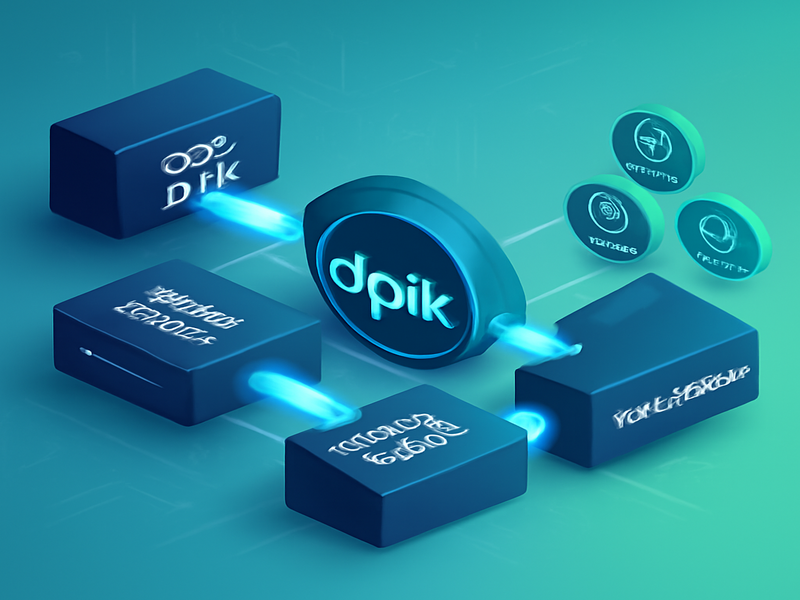
Illustration of the local LLM pipeline architecture with Opik integration.
Conclusion
In conclusion, the implementation of a fully traced and evaluated local LLM pipeline using Opik provides significant benefits in terms of transparency, reproducibility, and performance insights. By integrating Opik into their workflows, developers and enterprises can achieve more reliable and efficient AI systems. For further reading, refer to the original article on MarkTechPost.