

- Updated: July 3, 2025
- 3 min read
Meta’s New AI Photo Editing Feature: Balancing Innovation with Privacy
Meta’s New AI-Driven Photo Editing Feature on Facebook: A Leap Forward or a Privacy Concern?
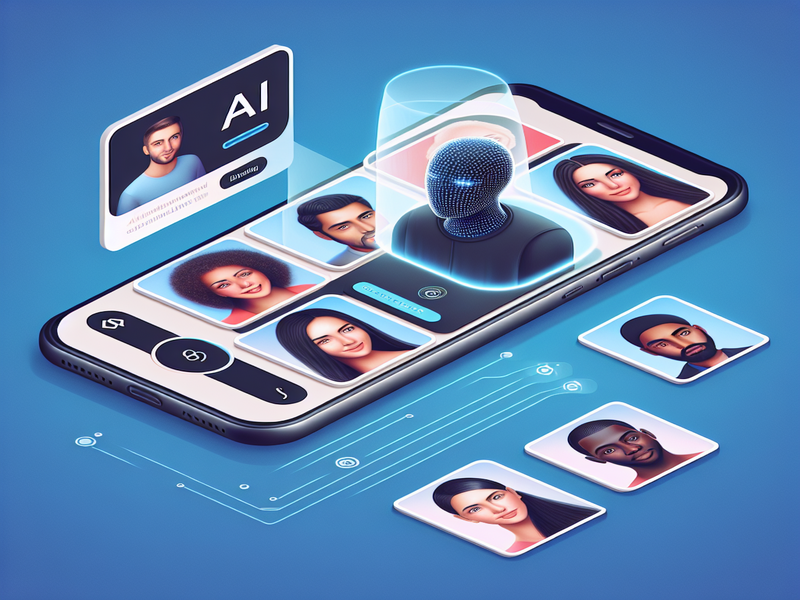
In an era where artificial intelligence (AI) is revolutionizing the way we interact with technology, Meta has introduced a groundbreaking feature on Facebook that could redefine social media photo editing. This new AI-driven photo editing feature is currently being tested, promising to enhance user experience but also raising significant privacy concerns.
Unveiling the AI-Driven Photo Editing Feature
Meta’s latest innovation utilizes advanced AI algorithms to suggest edited versions of photos directly from users’ camera rolls. This feature, powered by OpenAI ChatGPT integration, allows users to see potential enhancements to their photos without having to upload them to Facebook first. By leveraging AI, Meta aims to provide users with a seamless and intuitive photo editing experience, potentially saving time and effort.
Details of the Testing Phase
The feature is currently in its testing phase, available to users in the United States and Canada. It operates on an opt-in basis, meaning users must actively choose to participate. This limited rollout allows Meta to gather valuable feedback and make necessary adjustments before a broader release. The integration of AI in photo editing is part of a larger trend where companies are harnessing the power of Enterprise AI platforms to enhance user interaction and satisfaction.
Privacy Concerns and AI Terms of Service
While the feature offers exciting possibilities, it also raises privacy concerns. The process involves uploading images to Facebook’s cloud for AI processing, which could potentially expose personal data. Meta’s AI Terms of Service outlines the handling of such data, but users remain skeptical about the implications for their personal information. The concern over data privacy is not new, as AI-driven technologies like AI-powered chatbots and other applications continue to prompt discussions about user data protection.
Implications for User Data
With the increasing reliance on AI, the implications for user data are profound. Meta’s use of AI in photo editing necessitates a careful balance between innovation and privacy. The company’s approach to data security and transparency will be crucial in gaining user trust. As AI continues to evolve, companies must ensure that their technologies adhere to stringent privacy standards, similar to those observed in AI in stock market trading and other sensitive areas.
“The integration of AI in everyday applications is inevitable, but it’s essential to address privacy concerns head-on to ensure user trust and compliance with data protection regulations.”
Conclusion: Engaging with the Future of AI on Facebook
Meta’s new AI-driven photo editing feature on Facebook represents a significant step forward in AI application within social media. As the company navigates the challenges of privacy and user data protection, users are encouraged to actively engage with these technologies, providing feedback and staying informed about About UBOS and other AI developments.
For those interested in exploring the potential of AI further, the UBOS platform overview offers a comprehensive look at how AI can be integrated into various business solutions. Additionally, the AI marketing agents provide insight into how AI is transforming marketing strategies.
As AI continues to shape the future of technology, staying informed and engaged is crucial. Whether you’re interested in the potential of UBOS for startups or the broader implications of AI in business, the journey towards an AI-driven future is one that promises both challenges and opportunities.
For more information on this topic, you can read the original news article that inspired this discussion.
Andrii Bidochko
CTO UBOS
Andrii Bidochko is an AI entrepreneur and researcher focused on AI agents, reinforcement learning, and autonomous systems. He writes about the technologies shaping the future of machine intelligence, from frontier models and agent architectures to real-world AI applications.