

- Updated: July 3, 2025
- 3 min read
Google’s Gemini Robotics On-Device: A New Era in Localized AI for Robots
Google’s Gemini Robotics On-Device Model: A New Era in AI and Robotics
In a groundbreaking development, Google has unveiled its latest innovation, the Gemini Robotics On-Device model. This advanced language model is designed to operate locally on robots, eliminating the need for a continuous internet connection. This innovation marks a significant step forward in the field of AI and robotics, offering unprecedented capabilities and adaptability.
Key Features and Capabilities
The Gemini Robotics On-Device model is a testament to Google’s commitment to pushing the boundaries of technology. It is designed to function efficiently on a variety of robotic platforms, showcasing its versatility and robustness. The model’s ability to process language and execute commands without relying on external servers is a game-changer, particularly in environments where internet connectivity is unreliable or unavailable.
Furthermore, the model’s performance benchmarks are impressive, placing it at the forefront of current AI technologies. Its adaptability allows it to be integrated into different types of robots, enhancing their functionality and efficiency.
Industry Context and Comparisons
In the competitive landscape of AI and robotics, companies like Nvidia and Hugging Face are also making significant strides. However, Google’s Gemini Robotics On-Device model sets itself apart with its unique on-device capabilities. While Nvidia focuses on high-performance computing and Hugging Face excels in natural language processing, Google’s approach of integrating AI directly into robotic systems offers a distinct advantage.
For those interested in how AI is transforming various industries, exploring the AI and the autonomous organization provides valuable insights into the broader implications of such technologies.
Potential Applications and Adaptability
The potential applications of the Gemini Robotics On-Device model are vast and varied. From industrial automation to healthcare, the model can be tailored to meet the specific needs of different sectors. Its ability to function independently of the internet makes it particularly useful in remote or isolated locations, where traditional AI models may struggle.
Moreover, the model’s adaptability ensures that it can be customized for specific tasks, enhancing its utility across different applications. This flexibility is crucial in industries where rapid adaptation to changing conditions is necessary.
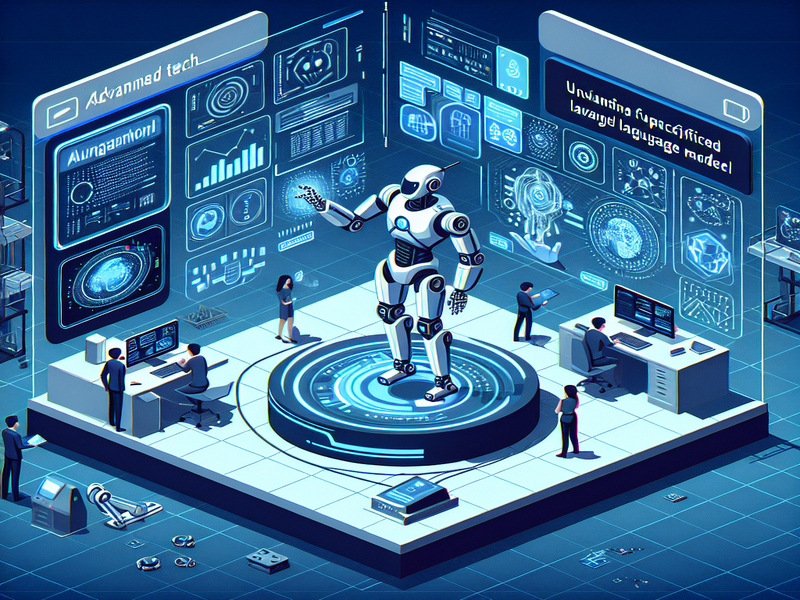
Conclusion: A Call to Action
Google’s Gemini Robotics On-Device model represents a significant leap forward in AI and robotics. Its ability to operate independently of the internet, coupled with its adaptability and performance, makes it a pivotal development in the field. As we continue to explore the potential of AI, innovations like this will play a crucial role in shaping the future.
For those looking to delve deeper into the world of AI and its applications, the AI-powered chatbot solutions offer a glimpse into the transformative power of AI in everyday applications.
In conclusion, the Gemini Robotics On-Device model not only enhances the capabilities of robots but also opens up new possibilities for innovation and efficiency. As we embrace this new era of technology, the potential for growth and development is limitless.
For more information on how AI is revolutionizing various sectors, visit the UBOS platform overview to explore the latest advancements and solutions.
Andrii Bidochko
CTO UBOS
Andrii Bidochko is an AI entrepreneur and researcher focused on AI agents, reinforcement learning, and autonomous systems. He writes about the technologies shaping the future of machine intelligence, from frontier models and agent architectures to real-world AI applications.