

- Updated: May 20, 2025
- 3 min read
Google’s AI Mode: Transforming Search with Innovative Features
Exploring Google’s AI Mode: Transforming Search with Gemini 2.5 and Beyond
Introduction to Google’s AI Mode
In the ever-evolving landscape of technology, Google continues to push boundaries with its latest innovation, the Google AI Mode. This experimental feature of Google Search is designed to revolutionize how users interact with search engines by leveraging advanced AI capabilities. As it rolls out in the U.S., AI Mode offers a dynamic interface that allows users to ask complex questions and receive detailed answers, setting a new standard for search engine functionality.
Key Features and Functionalities
Google’s AI Mode is packed with innovative features that enhance the search experience. At its core, the mode utilizes a customized version of Gemini 2.5, a sophisticated AI model designed for deep search capabilities. This allows users to perform extensive queries, making it easier to find precise information on complex topics.
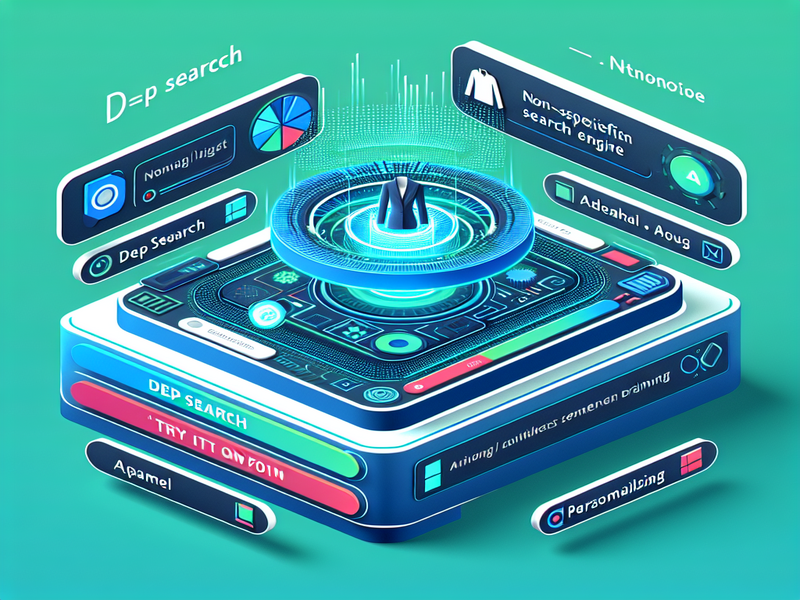
One standout feature is Deep Search, which enables users to dive deeper into topics without the need to refine their queries repeatedly. Additionally, the mode includes a virtual “try it on” feature for apparel, providing a more interactive shopping experience.
The integration of Project Mariner further enriches the experience by offering localized services, while Search Live introduces real-time visual and audio interactions, making searches more engaging and interactive.
Benefits of AI Mode in Search
The introduction of AI Mode in Google Search brings numerous benefits to users. Firstly, the ability to handle complex data queries, especially in fields like sports and finance, makes it an invaluable tool for professionals seeking detailed insights. Moreover, the personalized search results based on past searches and connected Google Apps enhance user satisfaction by delivering relevant content efficiently.
For businesses, this means a potential increase in visibility as users engage more with search results tailored to their preferences. This aligns with the growing trend of AI revolution in marketing with UBOS, where personalization plays a crucial role in customer engagement.
Impact on User Engagement
AI Mode is poised to significantly impact user engagement by making search experiences more intuitive and interactive. The integration of real-time interactions through Search Live not only captures user attention but also encourages prolonged engagement with search content. This aligns with the concept of AI and the autonomous organization, where AI-driven processes enhance operational efficiency.
Furthermore, the personalized approach to search results fosters a sense of connection between users and the platform, leading to increased loyalty and repeat usage. This is particularly relevant for tech enthusiasts and professionals who rely on accurate and timely information for their work.
Conclusion and Future Prospects
As Google continues to refine and expand its AI capabilities, the future prospects of AI Mode look promising. The integration of advanced features like Gemini 2.5, Deep Search, and Project Mariner positions Google as a leader in AI-driven search technology. For users, this means access to more accurate, personalized, and engaging search experiences.
Looking ahead, the potential for AI Mode to evolve and incorporate even more sophisticated functionalities is immense. This aligns with the broader trend of transitioning to an AI-powered future, where AI technologies become integral to everyday activities.
In conclusion, Google’s AI Mode represents a significant leap forward in search technology, offering a glimpse into the future of AI-enhanced user experiences. As the technology continues to develop, it promises to redefine how we interact with information, making searches more efficient, personalized, and engaging than ever before.
Andrii Bidochko
CTO UBOS
Andrii Bidochko is an AI entrepreneur and researcher focused on AI agents, reinforcement learning, and autonomous systems. He writes about the technologies shaping the future of machine intelligence, from frontier models and agent architectures to real-world AI applications.