Webflow MCP Server: Unleash the Power of AI in Your Webflow Workflows
In today’s rapidly evolving digital landscape, businesses are constantly seeking innovative ways to streamline their operations, enhance productivity, and deliver exceptional customer experiences. The integration of Artificial Intelligence (AI) into various business processes has emerged as a game-changer, offering unprecedented opportunities for automation, optimization, and personalization. Among the many areas ripe for AI disruption, content management stands out as a critical function that can significantly benefit from AI-powered solutions.
Enter the Webflow MCP Server: A Bridge Between AI and Webflow
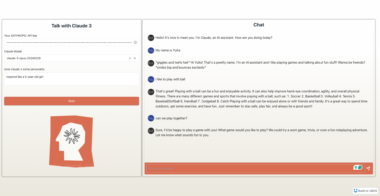
The Webflow MCP Server acts as a conduit, seamlessly connecting your Webflow website with the intelligent capabilities of AI models like Claude. MCP, or Model Context Protocol, serves as an open standard, providing a structured way for applications to provide context to Large Language Models (LLMs). This integration unlocks a world of possibilities for automating content creation, management, and optimization within your Webflow environment.
Key Features and Functionalities
The Webflow MCP Server empowers you to:
- Retrieve Comprehensive Site Information: Gain access to a wealth of data about your Webflow sites, including display names, IDs, creation dates, preview URLs, custom domains, localization settings, and data collection preferences. This enables AI models to understand the context of your website and tailor their actions accordingly.
- Access Detailed Collection Data: Obtain information about all collections within a specific Webflow site, including collection names, IDs, creation dates, item counts, slugs, and settings. This allows AI to intelligently manage and update content within your collections.
- Automate Content Creation and Management: Leverage AI to automatically generate new content, update existing content, and optimize content for search engines. For example, you can use AI to write product descriptions, blog posts, or website copy based on specific keywords and target audiences.
- Enhance Website Personalization: Utilize AI to personalize the user experience on your Webflow website by tailoring content and offers to individual user preferences and behaviors. This can lead to increased engagement, conversions, and customer satisfaction.
- Streamline Content Workflows: Automate repetitive content-related tasks, such as content approval, publishing, and archiving. This frees up your team to focus on more strategic initiatives.
Use Cases: Transforming Webflow with AI
The Webflow MCP Server opens doors to a myriad of use cases across various industries and applications. Here are a few examples:
- E-commerce: Automatically generate product descriptions, optimize product listings for search engines, and personalize product recommendations for individual customers.
- Marketing: Create engaging marketing copy, automate social media posts, and personalize email campaigns based on customer data.
- Content Creation: Generate blog posts, articles, and website content on a variety of topics, saving time and effort for content creators.
- Customer Support: Automate responses to common customer inquiries, provide personalized support based on customer history, and resolve issues more efficiently.
- Real Estate: Generate property descriptions, optimize listings for search engines, and personalize property recommendations for potential buyers.
Getting Started with the Webflow MCP Server
Setting up the Webflow MCP Server involves a few straightforward steps:
- Create a Webflow API Token: Generate an API token within your Webflow account to grant the server access to your website data.
- Install Dependencies: Use
npm installto install the necessary dependencies for the server. - Configure Environment Variables: Create a
.envfile to store your Webflow API token and other configuration settings. - Configure Claude Desktop: Update your Claude Desktop configuration file to point to the Webflow MCP Server.
- Install via Smithery (Optional): Use the Smithery CLI for automated installation.
Troubleshooting and Support
The documentation provides detailed troubleshooting steps for common issues, such as tools not appearing in Claude or authentication errors. It also includes instructions for viewing server logs and verifying environment variables. If you encounter any problems, the documentation encourages you to review the troubleshooting section, examine Claude Desktop logs, and check Webflow’s API documentation.
Security Considerations
The Webflow MCP Server prioritizes security by emphasizing the importance of keeping your API token secure, using environment variables for sensitive data, and regularly rotating API tokens. It also recommends monitoring API usage in Webflow and using the minimum required permissions for the API token.
The UBOS Advantage: A Full-Stack AI Agent Development Platform
While the Webflow MCP Server provides a powerful tool for integrating AI with Webflow, the UBOS platform takes AI integration to the next level. UBOS is a full-stack AI Agent Development Platform that empowers businesses to orchestrate AI Agents, connect them with enterprise data, build custom AI Agents with their own LLM models, and create sophisticated Multi-Agent Systems.
Here’s how UBOS complements the Webflow MCP Server:
- Agent Orchestration: UBOS allows you to orchestrate multiple AI Agents, including those interacting with your Webflow website via the Webflow MCP Server. This enables you to create complex workflows that automate a wide range of tasks.
- Data Integration: UBOS seamlessly connects your AI Agents with your enterprise data, providing them with the context they need to make informed decisions. This data can include customer data, sales data, marketing data, and more.
- Custom AI Agent Development: UBOS allows you to build custom AI Agents tailored to your specific business needs. You can train these agents on your own data and integrate them with your existing systems.
- Multi-Agent Systems: UBOS enables you to create Multi-Agent Systems, where multiple AI Agents work together to achieve a common goal. This allows you to automate complex tasks that require the coordination of multiple AI Agents.
Conclusion: Embrace the Future of Webflow with AI
The Webflow MCP Server represents a significant step forward in the integration of AI with content management. By seamlessly connecting Webflow with AI models like Claude, it empowers businesses to automate content creation, management, and optimization, enhance website personalization, and streamline content workflows. When combined with the power of the UBOS platform, the possibilities are endless. Embrace the future of Webflow with AI and unlock the full potential of your website.
Webflow MCP Server
Project Details
- TimKJones/mcp-webflow
- MIT License
- Last Updated: 3/22/2025
Recomended MCP Servers
MCP server for RAG-based document search and management
A Model Context Protocol server that provides read-only access to MySQL databases. This server enables LLMs to inspect...
c++ framework

MCP server for structured problem-solving using the Lotus Sutra's wisdom framework. Beautiful visualizations, multiple thinking approaches, compatible with...

mcp_aidaily
Remote MCP server that gives LLMs access to run network commands
A powerful Model Context Protocol (MCP) server providing comprehensive Gmail integration with LLM processing capabilities.
A Model Context Protocol server for Google Workspace integration (Gmail and Calendar)
Due Diligence Automation 尽职调查自动化
Featured Templates
View More