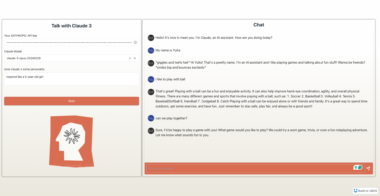
Overview of MCP Server for PBS API
The MCP Server for the Australian Pharmaceutical Benefits Scheme (PBS) API is a groundbreaking solution that leverages Anthropic’s Model Context Protocol (MCP) to facilitate seamless integration of natural language processing and AI models with critical pharmaceutical data. Developed by Matthew Cage, a specialist in AI Engineering and healthcare data systems, this server provides an innovative approach to accessing and interacting with PBS data, which includes comprehensive information about medicines, pricing, and availability in Australia.
Use Cases
Healthcare Data Integration: The MCP Server enables healthcare providers and AI developers to integrate PBS data into their systems, allowing for real-time access to medication information, pricing, and availability. This can significantly enhance decision-making processes in healthcare settings.
AI-Powered Healthcare Assistants: By integrating with AI models, this server empowers AI assistants to provide accurate and timely information about medications, facilitating better patient care and support.
Pharmaceutical Research: Researchers can utilize the server to access up-to-date PBS data, aiding in the study of drug efficacy, pricing trends, and availability.
Healthcare Automation: Automate routine tasks such as medication information retrieval and prescription management, reducing administrative burdens and improving efficiency.
Key Features
Tools for Querying PBS API: The server provides robust tools for querying PBS API endpoints, enabling AI models to access detailed pharmaceutical data.
Transport Layers: Supports both stdio and HTTP/SSE transport layers, ensuring flexible data transmission methods.
Comprehensive Error Handling: Built-in error handling mechanisms address API rate limits and authentication issues, ensuring reliable data access.
LLM Integration: Seamlessly integrates with LLM components, allowing AI models to receive and process natural language prompts related to PBS data.
Flexible Operation Modes: Operates in various modes including Stdio, HTTP with SSE, and as a command-line tool, catering to diverse user needs.
Customizable API Tool Parameters: Users can specify endpoints, methods, and parameters for tailored data retrieval.
How It Works
The MCP Server functions as a bridge between AI models and the PBS API. When an AI model, such as an LLM, requires pharmaceutical data, it sends a tool call to the server. The server interprets natural language prompts, translates them into appropriate API queries, and returns structured data that the AI model can utilize in its responses. This process ensures that AI assistants have access to the most current PBS information without needing extensive training data.
Integration with UBOS Platform
The UBOS platform, known for its full-stack AI Agent Development capabilities, can leverage the MCP Server to enhance AI agents’ access to healthcare data. UBOS focuses on bringing AI Agents to every business department, and with this integration, healthcare departments can benefit from orchestrated AI Agents that connect seamlessly with enterprise data, building custom AI solutions tailored to the healthcare industry.
By integrating with the UBOS platform, the MCP Server offers a robust solution for businesses seeking to enhance their AI capabilities in the healthcare domain, ensuring they stay ahead in the rapidly evolving field of AI-driven healthcare solutions.
Pharmaceutical Benefits Scheme API Server

Project Details
- matthewdcage/pbs-mcp-server
- MIT License
- Last Updated: 3/12/2025
Recomended MCP Servers
YNAB Model Context Protocol (MCP) server for Claude Code integration
Self-paced bootcamp on Generative AI. Tutorials on ML fundamentals, LLMs, RAGs, LangChain, LangGraph, Fine-tuning Llama 3 & AI...
MCP Think Tool Claude Desktop
This repository is for development of the Azure MCP Server, bringing the power of Azure to your agents.

Model Context Protocol server for monitoring Operational Status of major digital platforms in Claude Desktop.
MCP server for The Verge news RSS feed

query table from some websites, support MCP
Featured Templates
View More