MCP Server Overview
In today’s digital age, the need for seamless browser automation has become paramount, especially with the burgeoning capabilities of Large Language Models (LLMs). Enter the MCP Server, a robust tool designed for browser automation that allows LLMs to control web browsers, interact with web pages, and analyze content through a standardized JSON-RPC interface. This innovation is a game-changer for businesses and developers alike, offering a myriad of applications and features.
Key Features
Browser Management: The MCP Server facilitates the creation, navigation, operation, and closure of browser instances. This capability is invaluable for automating repetitive tasks and enhancing productivity.
Job Management: With the ability to track the status of browser operations using job IDs, users can efficiently manage and monitor tasks, ensuring that operations are executed smoothly.
Web Interaction: Leveraging OpenAI’s Computer Use API, the MCP Server can execute natural language instructions, making web interactions more intuitive and user-friendly.
Browser Tools: Access to console logs, network activity, screenshots, and more, enables users to gain insights and troubleshoot issues effectively.
Auditing: Comprehensive auditing tools allow users to run accessibility, performance, SEO, and other web page audits, ensuring that web pages meet industry standards.
Use Cases
E-commerce Automation: Automate tasks such as price monitoring, competitor analysis, and product updates, enhancing efficiency and accuracy.
SEO Optimization: Conduct thorough SEO audits to optimize web pages for better search engine rankings, driving organic traffic and improving visibility.
Performance Monitoring: Use the auditing tools to track and enhance the performance of web pages, ensuring optimal load times and user experience.
Security Testing: Run security audits to identify vulnerabilities and safeguard sensitive information, protecting both the business and its customers.
Technical Requirements
To harness the full potential of the MCP Server, certain prerequisites must be met:
- Python 3.11+
- Playwright
- OpenAI API key for the Computer Use API
Installation and Usage
Installation is straightforward, involving cloning the repository, installing dependencies, and setting up the Playwright browsers. Once installed, the server can be run using the ./run-server command, listening for JSON-RPC requests and responding accordingly.
Integration with UBOS Platform
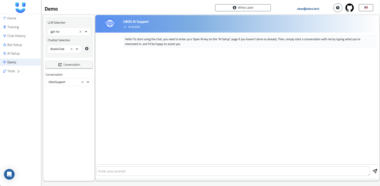
The MCP Server is a pivotal component of the UBOS platform, a full-stack AI Agent Development Platform. UBOS aims to integrate AI Agents into every business department, offering tools to orchestrate AI Agents, connect them with enterprise data, and build custom AI Agents using your LLM model and Multi-Agent Systems. The MCP Server enhances this ecosystem by providing the necessary browser automation capabilities, making it an indispensable tool for businesses looking to leverage AI-driven solutions.
Conclusion
In conclusion, the MCP Server is a versatile and powerful tool that revolutionizes browser automation. Its integration with the UBOS platform further amplifies its capabilities, providing businesses with the tools they need to thrive in an increasingly digital world. Whether you’re looking to automate mundane tasks, optimize your SEO strategy, or enhance web page performance, the MCP Server is your go-to solution.
MCP Operator

Project Details
- willer/mcp-operator
- Last Updated: 3/26/2025
Recomended MCP Servers
MultiStep MCP That Returns CVE Information With EPSS Score
Ecovacs MCP Server
MCP web research server (give Claude real-time info from the web)
MCP Server to wrap the FDIC Bank Find API
An MCP server to extend the context of agents. Useful when coding big features or vibe coding and...
MCP Server for Apache Airflow
MCP Server for Coding Standards - providing standardized coding guidelines and best practices
Official Vectorize MCP Server
Featured Templates
View More