Mantis MCP Server: Bridging the Gap Between Bug Tracking and AI with UBOS
The Mantis MCP (Model Context Protocol) Server is a crucial component for integrating the Mantis Bug Tracker system with modern AI and LLM (Large Language Model) driven applications. In the age where data-driven insights are paramount, the Mantis MCP Server provides a robust interface to access, analyze, and leverage bug tracking data within intelligent systems. It acts as a crucial bridge, enabling AI models to interact with the Mantis system, opening up possibilities for automation, intelligent reporting, and predictive analysis.
Why MCP Matters: Context for AI
Before delving into the specifics of the Mantis MCP Server, it’s essential to understand the core concept it’s built upon: the Model Context Protocol (MCP). MCP is an open protocol designed to standardize how applications provide context to Large Language Models (LLMs). In essence, it’s a framework for allowing AI models to access and understand data from various sources, enabling them to perform tasks with greater accuracy and relevance. Without such a protocol, LLMs operate in a vacuum, lacking the real-world context necessary for effective decision-making and problem-solving. MCP server acts as a bridge, allowing AI models to access and interact with external data sources and tools.
Use Cases for Mantis MCP Server
The Mantis MCP Server unlocks a range of powerful use cases, transforming how organizations manage and interact with their bug tracking data:
- AI-Powered Bug Triage: Automatically prioritize incoming bug reports based on severity, affected components, and historical trends. This reduces the burden on human triagers and ensures that critical issues are addressed promptly.
- Intelligent Bug Assignment: Route bug reports to the most appropriate developer based on their expertise, workload, and past performance. This optimizes resource allocation and accelerates the resolution process.
- Predictive Bug Detection: Identify potential bugs before they are even reported by analyzing code changes, system logs, and user feedback. This allows developers to proactively address issues and prevent them from impacting end-users.
- Automated Reporting and Analysis: Generate comprehensive reports on bug trends, resolution times, and developer performance. These reports provide valuable insights for improving software quality and development processes.
- AI-Driven Bug Resolution: Provide developers with AI-generated suggestions for resolving specific bugs based on similar issues and code patterns. This accelerates the debugging process and reduces the time to resolution.
- Integration with AI Agents: By providing structured access to Mantis data, the MCP Server allows AI agents to autonomously manage bug workflows, trigger automated actions, and provide real-time updates to stakeholders.
Key Features of the Mantis MCP Server
The Mantis MCP Server offers a rich set of features designed to facilitate seamless integration with AI-powered systems:
- Issue Management:
- Comprehensive Issue Retrieval: Obtain detailed lists of issues, employing a wide range of filtering options to pinpoint specific subsets of data. Whether you need to isolate issues by project, status, assignee, reporter, or keyword, the server provides the tools to extract the precise information you need.
- Detailed Issue Insights: Access complete information for any issue by simply referencing its unique ID. This feature provides a deep dive into the particulars of each issue, including its summary, description, history, and any associated attachments, offering a holistic view of the problem at hand.
- User Management:
- User Lookup: Search for users by their usernames, facilitating easy identification and retrieval of user-specific data. This is particularly useful for tasks such as assigning responsibilities, tracking contributions, or analyzing user activity within the system.
- Complete User Directory: Retrieve a comprehensive list of all users within the Mantis system. This exhaustive directory is invaluable for administrative purposes, providing a complete overview of all personnel with access to the system.
- Project Management:
- Project Listing: Obtain a straightforward list of all projects managed within the Mantis system. This overview is useful for quickly navigating between different projects and gaining a high-level understanding of the scope of work being tracked.
- Statistics & Analytics:
- Issue Statistics: Conduct multidimensional analyses of issue data to uncover trends, patterns, and areas of concern. By grouping issues based on criteria like status, priority, severity, assignee, or reporter, you can gain valuable insights into the factors influencing bug resolution and system performance.
- Assignment Statistics: Analyze how issues are being assigned to different users. This capability allows you to evaluate workload distribution, identify potential bottlenecks, and ensure that resources are being allocated effectively across your team.
- Performance Optimization:
- Selective Data Retrieval: Reduce the amount of data transferred by selecting only the specific fields you need. This feature is particularly useful when dealing with large datasets, as it minimizes overhead and improves response times.
- Paginated Results: Manage large datasets by retrieving data in manageable chunks. This feature allows you to control the number of records returned per request, preventing performance bottlenecks and ensuring that data is processed efficiently.
- Automatic Data Compression: Automatically compress data when dealing with large volumes of information. This helps to minimize bandwidth usage and improve overall system performance, especially when transmitting data over networks.
- Robust Error Handling and Logging:
- Comprehensive Error Management: Implement robust error handling to gracefully manage unexpected issues and prevent system crashes. This ensures that the system remains stable and responsive, even in the face of errors or failures.
- Detailed Logging: Maintain detailed logs of all system activities, providing a comprehensive audit trail for troubleshooting, debugging, and security analysis. These logs can be invaluable for identifying the root cause of problems and ensuring the integrity of the system.
Installation and Configuration
Installing the Mantis MCP Server is a straightforward process involving package installation via npm and configuration through environment variables. Detailed instructions are provided for both global installation and platform-specific configurations on Windows, macOS, and Linux. The configuration process involves setting up API keys, URLs, and logging levels to ensure secure and efficient communication with the Mantis Bug Tracker.
Integrating with UBOS Platform
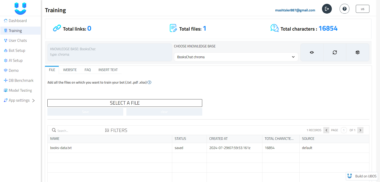
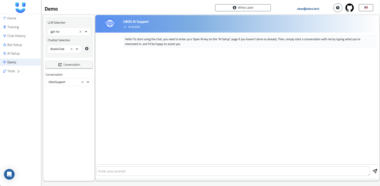
The Mantis MCP Server seamlessly integrates with the UBOS (Unified Business Orchestration System) platform, which brings AI Agent to every business department. UBOS is a full-stack AI Agent development platform designed to help you orchestrate AI Agents, connect them with your enterprise data, build custom AI Agents with your LLM model and Multi-Agent Systems.
By integrating the Mantis MCP Server with UBOS, you can unlock even more advanced use cases:
- Automated Bug Resolution Workflows: Create AI agents that automatically monitor bug reports, identify potential solutions, and trigger automated actions to resolve issues.
- Real-Time Bug Status Updates: Develop AI agents that provide real-time updates on bug status to stakeholders, ensuring that everyone is informed of progress.
- Predictive Bug Prevention: Build AI agents that analyze code changes and system logs to predict potential bugs before they occur, allowing you to proactively address issues and prevent them from impacting end-users.
Conclusion
The Mantis MCP Server is a critical enabler for integrating bug tracking data with AI-powered systems. By providing a standardized interface for accessing and analyzing Mantis data, the MCP Server opens up a world of possibilities for automation, intelligent reporting, and predictive analysis. Integrating with UBOS platform empowers developers to create robust and intelligent AI agents that can revolutionize the way organizations manage their bug tracking workflows and improve software quality.
Mantis Bug Tracker Integration
Project Details
- kfnzero/mantis-mcp-server
- mantis-mcp-server
- Last Updated: 3/29/2025
Recomended MCP Servers

A Model Context Protocol server that integrates AI assistants with Metabase analytics platform
NEXUS MCP- Simple MCP server for Claude Desktop
A model context protocol server for GitHub API
A Model Context Protocol server for interacting with Foundry
A resilient MCP server built with fastMCP for sending emails through Gmail's SMTP server using AI agents.
A powerful Model Context Protocol (MCP) server for web search and URL content extraction using DuckDuckGo.
MCP to query your shopify store
A model context protocol server to migrate data out of code (ts/js) into config (json)
✨✨✨ Geeker Admin,基于 Vue3.4、TypeScript、Vite5、Pinia、Element-Plus 开源的一套后台管理框架。
Plex MCP server
Featured Templates
View More