Frequently Asked Questions about UBOS Asset Marketplace and MCP Servers
Q: What is a Model Context Protocol (MCP) Server? A: An MCP server acts as a bridge, securely connecting Large Language Models (LLMs) to external resources such as databases, APIs, and file systems, enabling AI agents to access and interact with real-world data and tools.
Q: How does the UBOS Asset Marketplace facilitate the use of MCP Servers? A: The UBOS Asset Marketplace provides a curated collection of MCP servers, ranging from reference implementations to community-built solutions, offering a diverse toolkit for AI developers and businesses to enhance their AI-powered applications.
Q: What are the key benefits of using MCP Servers from the UBOS Asset Marketplace? A: The benefits include enhanced LLM performance, secure data access, increased versatility, simplified integration, and access to a community-driven innovation ecosystem.
Q: What types of MCP Servers are available on the UBOS Asset Marketplace? A: The marketplace offers reference servers (demonstrating MCP features), third-party servers (official integrations maintained by companies), and community servers (developed and maintained by the community).
Q: Can you provide examples of available MCP Servers? A: Examples include AWS KB Retrieval, Brave Search, Filesystem, Git, Google Drive, Axiom, Browserbase, Cloudflare, E2B, and many more, covering various functionalities and integrations.
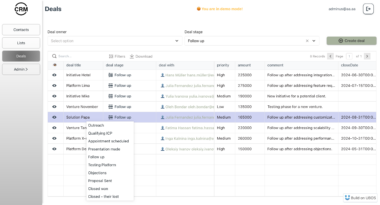
Q: What are some use cases for MCP Servers? A: MCP Servers can be used in customer service (integrating LLMs with CRM systems), financial analysis (connecting LLMs to financial data), content creation (generating content using LLMs with knowledge bases), software development (automating code review), and scientific research (connecting LLMs to scientific databases).
Q: How do I get started with MCP Servers on the UBOS Asset Marketplace? A: To get started, browse the marketplace, install the desired server, configure your LLM client to connect to the MCP server, and start building AI-powered applications.
Q: What is UBOS, and how does it relate to MCP Servers? A: UBOS is a full-stack AI Agent Development Platform that simplifies the development of AI agents. It offers features such as orchestration, enterprise data connection, custom AI agent building, and multi-agent system support.
Q: What are the advantages of using UBOS for MCP Server implementation and integration? A: UBOS provides centralized management, scalability, security, collaboration, and cost-effectiveness, streamlining the process of implementing and integrating MCP servers.
Q: How does UBOS ensure the security of MCP Servers and AI Agents? A: UBOS incorporates robust security measures, including encryption, access controls, and regular security audits, to protect data and AI agents from unauthorized access.
Q: How does UBOS support collaboration among developers and data scientists? A: UBOS facilitates collaboration by allowing developers and data scientists to share code, data, and best practices, fostering innovation and accelerating the development process.
Q: Is UBOS cost-effective for businesses of all sizes? A: Yes, by providing a comprehensive platform for AI agent development, UBOS helps reduce costs associated with infrastructure, development tools, and operational overhead, making AI more accessible to businesses of all sizes.
Q: What support does UBOS provide for creating custom AI Agents? A: UBOS allows you to build custom AI agents tailored to your specific business needs, providing the tools and resources necessary to create specialized AI solutions.
Q: How can I contribute to the UBOS Asset Marketplace and the MCP Server ecosystem? A: You can contribute by developing and sharing new MCP servers, providing feedback on existing servers, and participating in the UBOS community forums and discussions.
Q: Where can I find more information about the Model Context Protocol (MCP)? A: You can visit the official documentation at modelcontextprotocol.io for comprehensive guides, best practices, and technical details on implementing MCP servers.
Q: How do I install and manage MCP servers using command-line tools?
A: Tools like mcp-get and mcp-cli are available for installing and managing MCP servers via the command line. These tools simplify the process of deploying and configuring MCP servers in various environments.
Q: What are some community resources available for MCP developers? A: Community resources include Discord servers, Reddit communities, curated lists of MCP servers, and registries like Smithery, providing support, inspiration, and collaboration opportunities for MCP developers.
GitHub API MCP Server
Project Details
- iamadk/reference-servers
- MIT License
- Last Updated: 3/12/2025
Recomended MCP Servers
A Model Context Protocol (MCP) server for security data enrichment
A Model-Context Protocol Server for YouTube
unreal-blender-mcp
A FastMCP server that dynamically creates MCP (Model Context Protocol) servers from web API configurations. This allows you...
This read-only MCP Server allows you to connect to Stripe data from Claude Desktop through CData JDBC Drivers....
Public API documentation from dependencies for AI coding assistants
A Model Context Protocol (MCP) server that provides enhanced file operation capabilities with streaming, patching, and change tracking...
KuzuDB-powered memory bank for code agents built with TypeScript and follows MCP protocol
Model Context Protocol server for ActivityWatch time tracking data
CbetaMCP
Featured Templates
View More